
Read the Book, Watch the Movie: WILDWOOD
LAIKA, one of the few studios devoted to handmade animation, brings Colin Meloy and Carson Ellis’s fantastical Wildwood to the screen. Read the book, see the movie, and support art made by human hands.
20 October, 2026 / Written by Stefan Bachmann
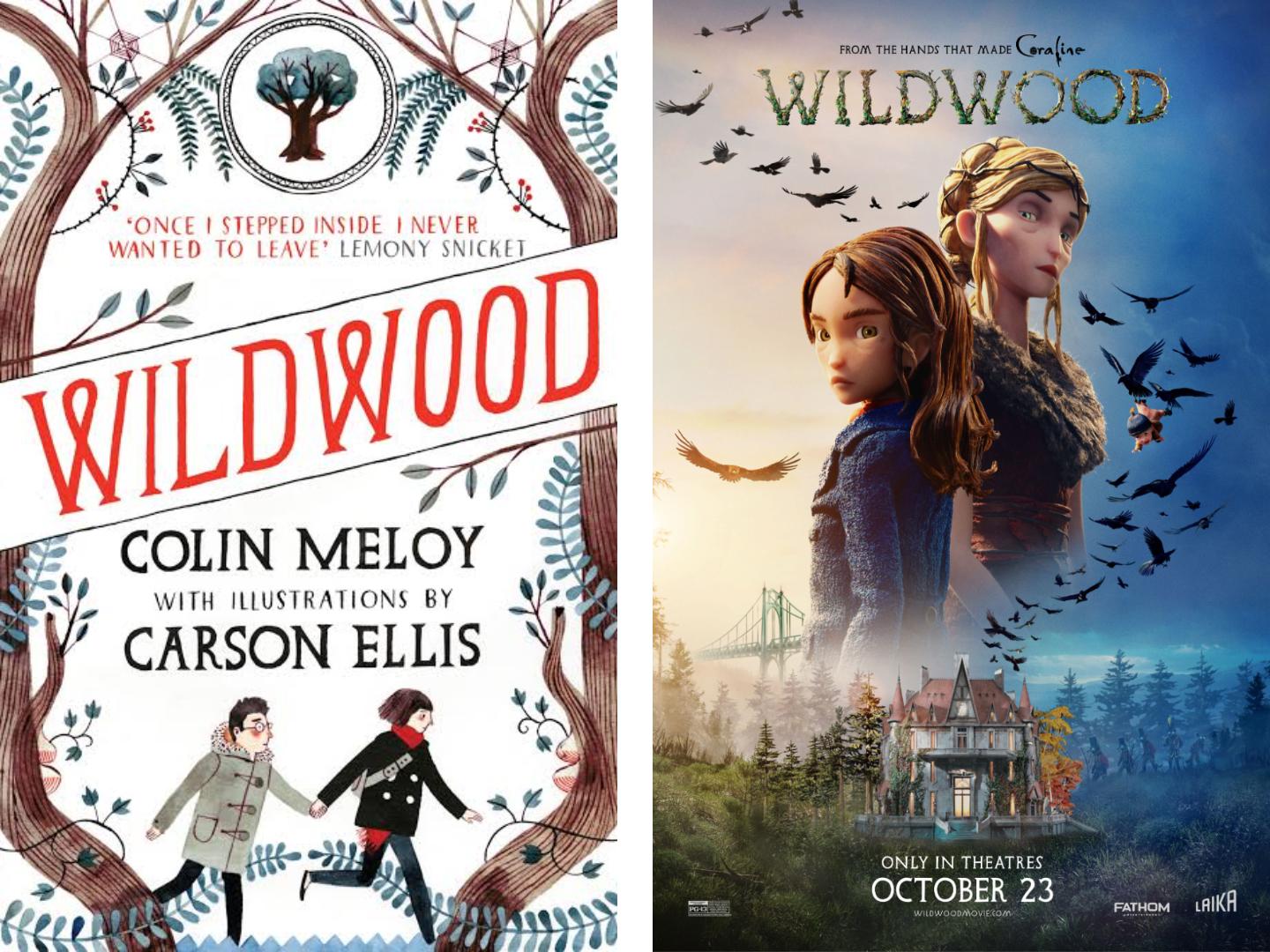
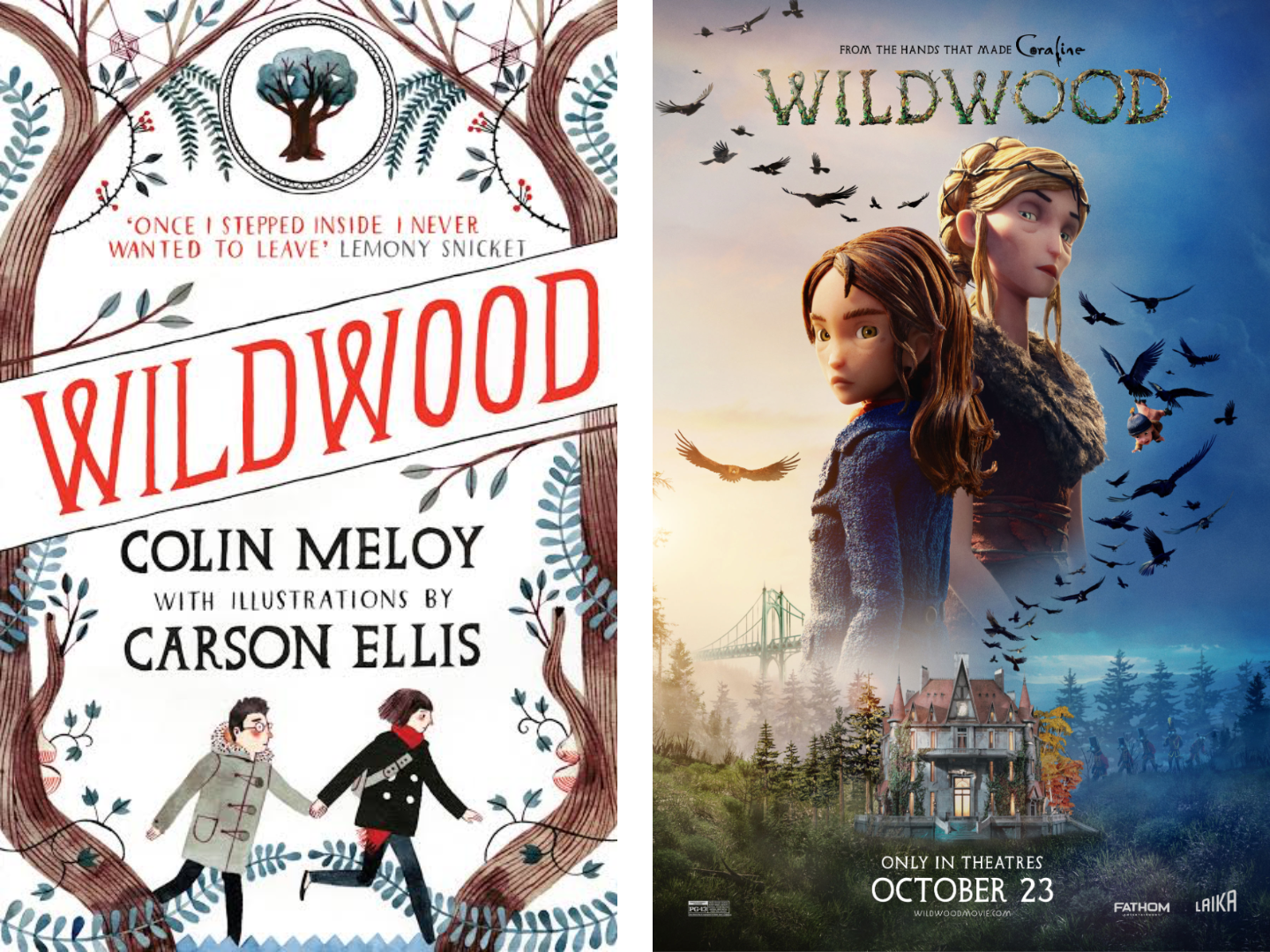
In 2011, a celebrated folk singer named Colin Meloy released a children’s book called Wildwood, a throwback to Narnia and other classic children’s stories. Filled with talking animals, magical forests, and grand adventures, and decorated with the beautiful illustrations of Carson Ellis, it is set in the somewhat unusual but fitting milieu of the Pacific Northwest, specifically Portland, Oregon. Now, fifteen years later, LAIKA, the renowned stop-motion studio behind films such as Coraline and ParaNorman, is bringing it to the big screen.
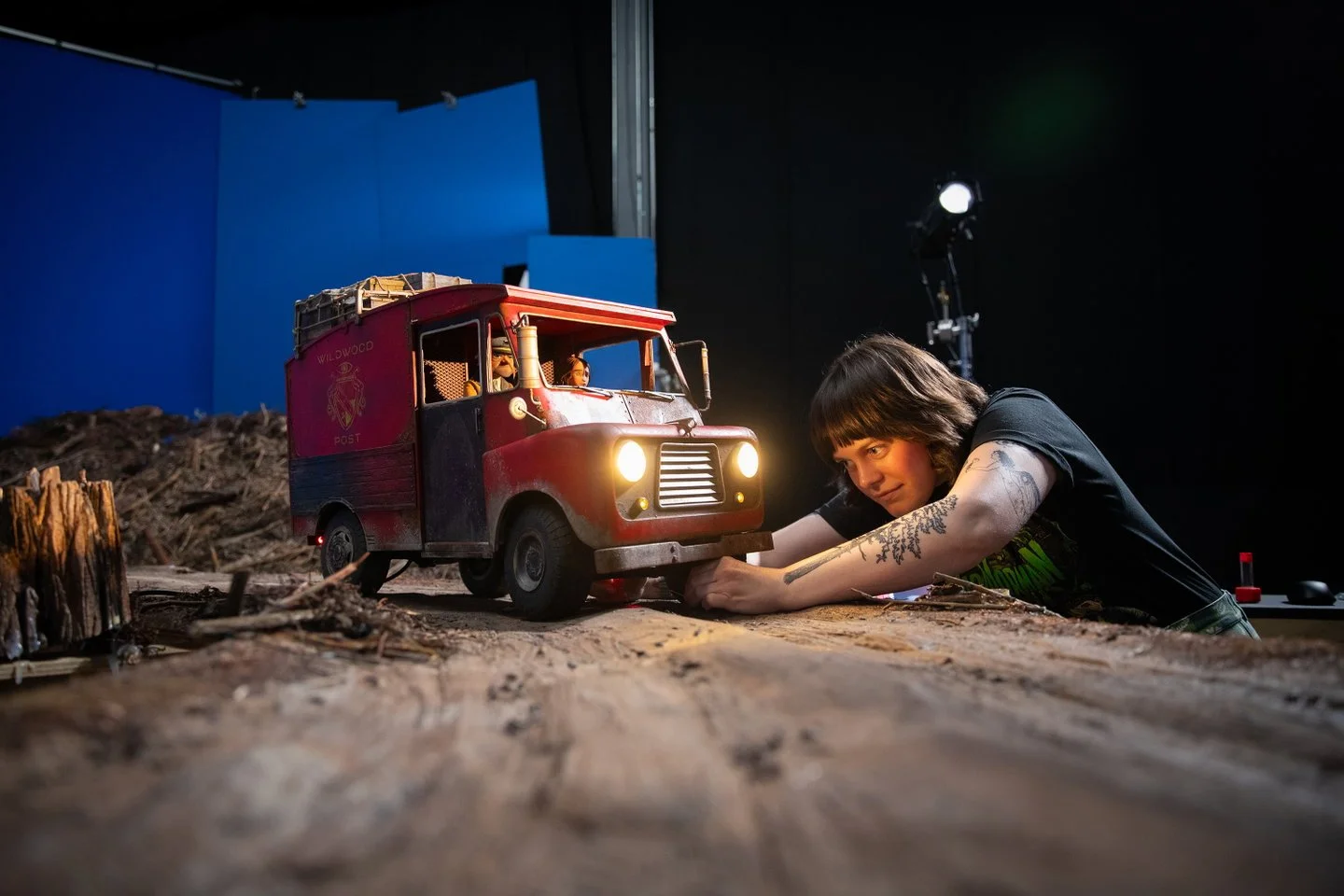
To us, it seems like a match made in heaven. Children’s literature is a place where young readers can discover wondrous possibilities and adventures and, through what is ostensibly entertainment, develop skills that will serve them their entire lives. LAIKA brings that same sense of possibility to the screen in a way almost no major studio is willing to anymore: through painstaking, incredibly detailed stop-motion animation, without generative AI, and with its focus squarely on human-made art. This attention to detail, and the slow but rewarding process behind it, is something we talk about often here at STORYVOR. We believe being exposed to media — whether books or films — that is made with care and stunning craftsmanship is invaluable in growing open, interested minds and broad, resilient skill-sets that will later contribute to and create careful, conscientious worlds, systems, and societies of their own.
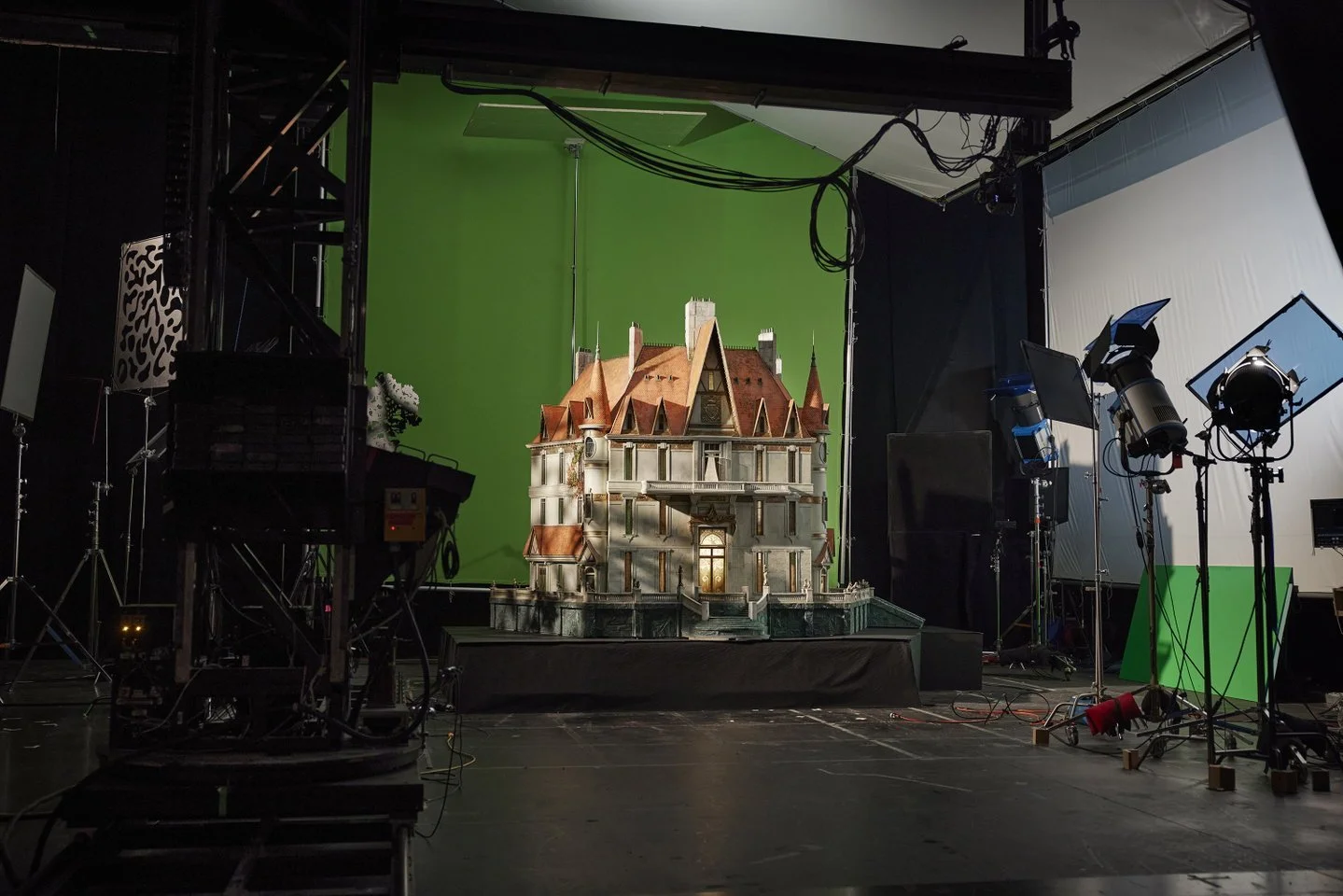
Wildwood’s film version is made through stop-motion animation. This means that every frame, prop, and visual is handcrafted. To bring the fantasy and fluid action to life, LAIKA built 136 sets and 231 practical puppets, including 54 main characters, each engineered and costumed by hand. The film runs at 24 frames per second, and each of those frames is a separate photograph, with the puppets nudged ever so slightly between shots. To give the characters their expressions, LAIKA 3D-printed a new face for nearly every frame: 140,000 faces in total, never reused, setting a new Guinness World Record (the studio’s previous record, set with Missing Link, was 106,000). Even the puppets’ skeletons and musculature were 3D-printed, as were some of the film’s water effects.
You can read more about the filming process here.
Original adaptations struggle to connect
Alas, the sort of filmmaking that LAIKA carries out is not often appreciated at the scale it might need to be to be financially viable. Wildwood is projected to make just $10 million at the US box office on its opening weekend, despite the massive price tag and seven-year production. Casual audiences seldom know the difference between a computer generated film or special effect and one that isn’t. Often, audiences struggle to differentiate AI-generated material (increasingly common in Hollywood movies, though studios are loath to admit it) from human-made, or don’t care enough to support one over another. But we think this is exactly the sort of distinction readers and movie fans should be making every day in the name of quality art.
Yes, LAIKA is bankrolled by Nike money: the studio is owned by Nike co-founder Phil Knight, and his son Travis Knight runs it and directed Wildwood. Yes, one can argue that its films are simply passion projects of a nepo baby. But now that two of Hollywood’s largest studios, Paramount and Warner Bros., have merged under the Skydance banner, run by David Ellison, son of Oracle founder Larry Ellison, the facts are increasingly evident: most big Hollywood movies are backed by private fortunes, and most of those films do little to champion artisans, push back against AI, or make room for original, non-sequel work. One can just as well argue that films that dig all the way into handwork, skill, and craftsmanship, and that adapt newer, lesser-known books, are particularly worthy of support. If this movie does well, what else might do well in the future? What other new and beautiful stories might get a chance to exist?
Wildwood opens in theaters in the United States on October 23. The book is available wherever books are sold. Both are worth a trip.
(Please note that the movie is rated PG-13 and explores some mature themes. We recommend parents preview it, are aware of content warnings, and/or watch alongside younger viewers in order to discuss afterwards.)
Further reading
Want to read the book before watching the movie? Or simply revel in the world after you’re back from the cinema? Here is the original source material, along with a beautifully designed art book filled with visuals and behind-the-scenes material from the LAIKA film.
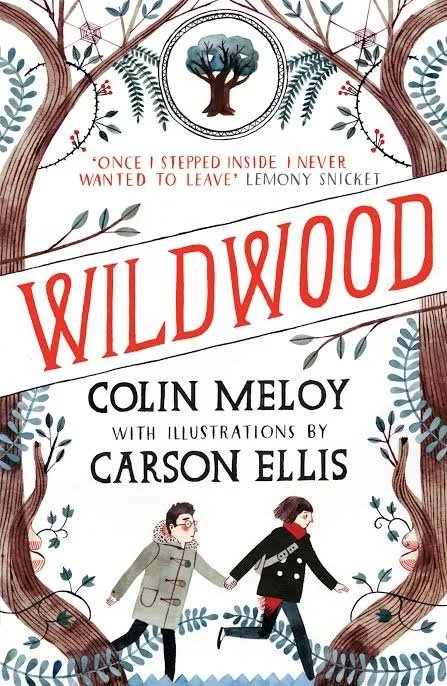
Wildwood
When twelve-year-old Prue’s baby brother is carried off by a murder of crows into the Impassable Wilderness, she and her classmate Curtis follow him into a hidden world of talking animals, warring factions, and a sinister Dowager Governess.
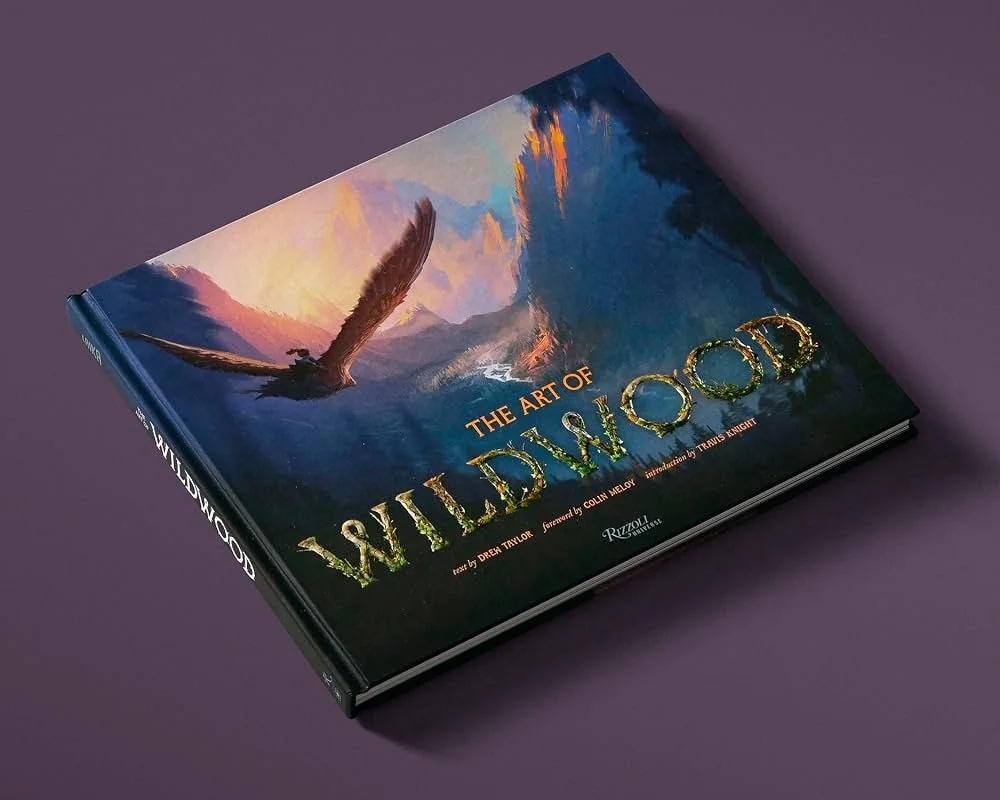
The Art of Wildwood
Written by film journalist Drew Taylor, this lavishly illustrated companion to LAIKA’s film traces its 15-year journey from page to screen through concept art, sketches, storyboards, and behind-the-scenes photography of the puppets, sets, and handcraft that brought it to life.
Stefan Bachmann
Editorial director
Stefan Bachmann has worked widely in education, cultural programming, and literacy advocacy for over fifteen years. He is an internationally bestselling author of children’s books, co-founder of Foundations in Literacy, co-president of AUTILLUS, the Swiss Association of Children’s Authors and Illustrators, as well as a member of various advisory boards and committees around the world. He studied composition and theory at the Zürich University of the Arts.

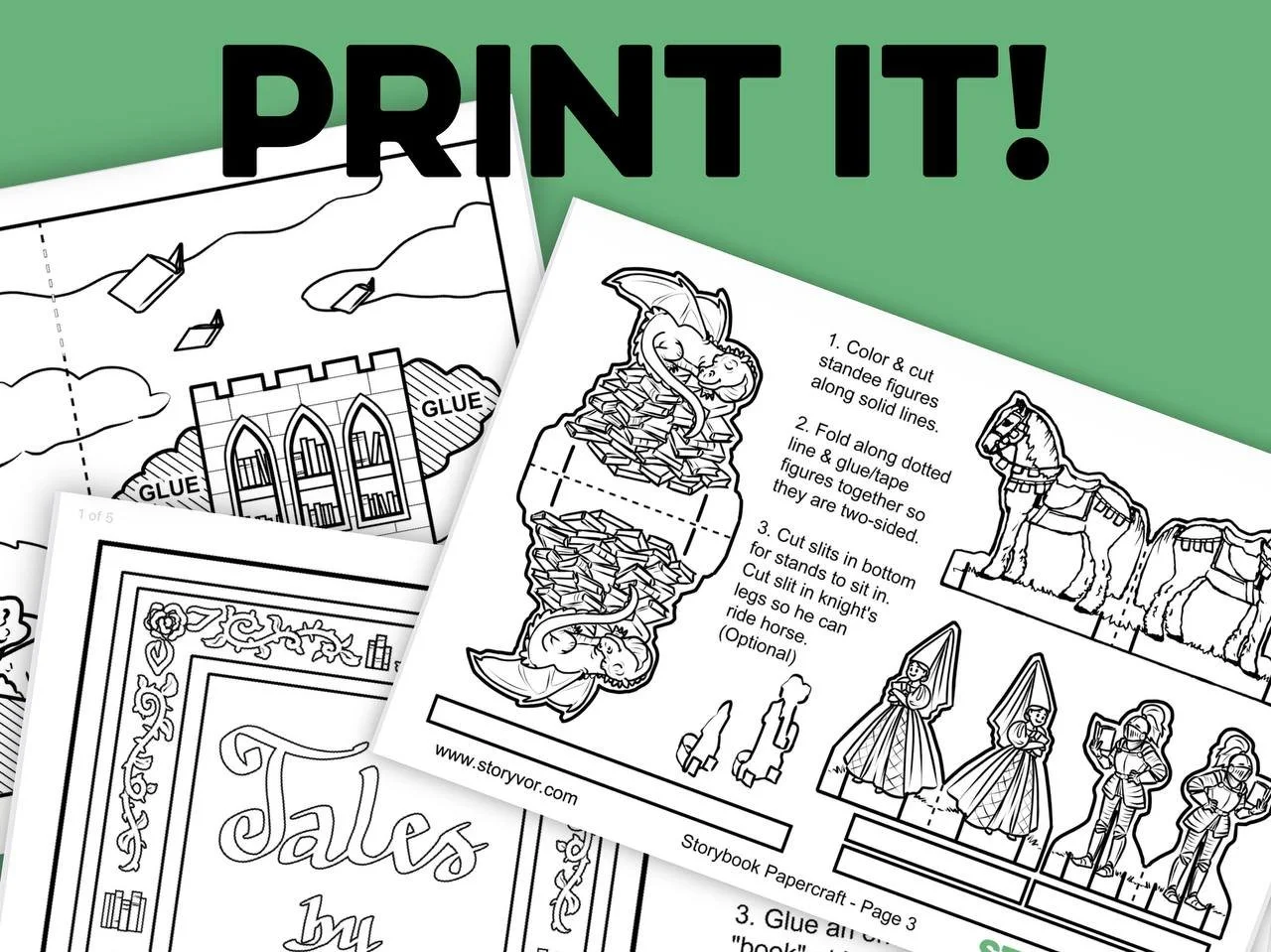
Books are magical things, and so it makes sense that the process of making them can seem mysterious and complicated. But the truth is, anyone can make a book. Not with AI, not digitally, but with your own skills and filled with your own expression. Here’s how.