Summer Reading: The Cheapest Thing Your Children Will Do This Summer Has the Biggest Payoff
Educator Sarah Silverkey discusses the dreaded "summer slide" — when reading skills slip — and how simple, fun, and affordable it can be to make great habits a part of your children’s summer.
14 June, 2026 / Written by Sarah Silverkey
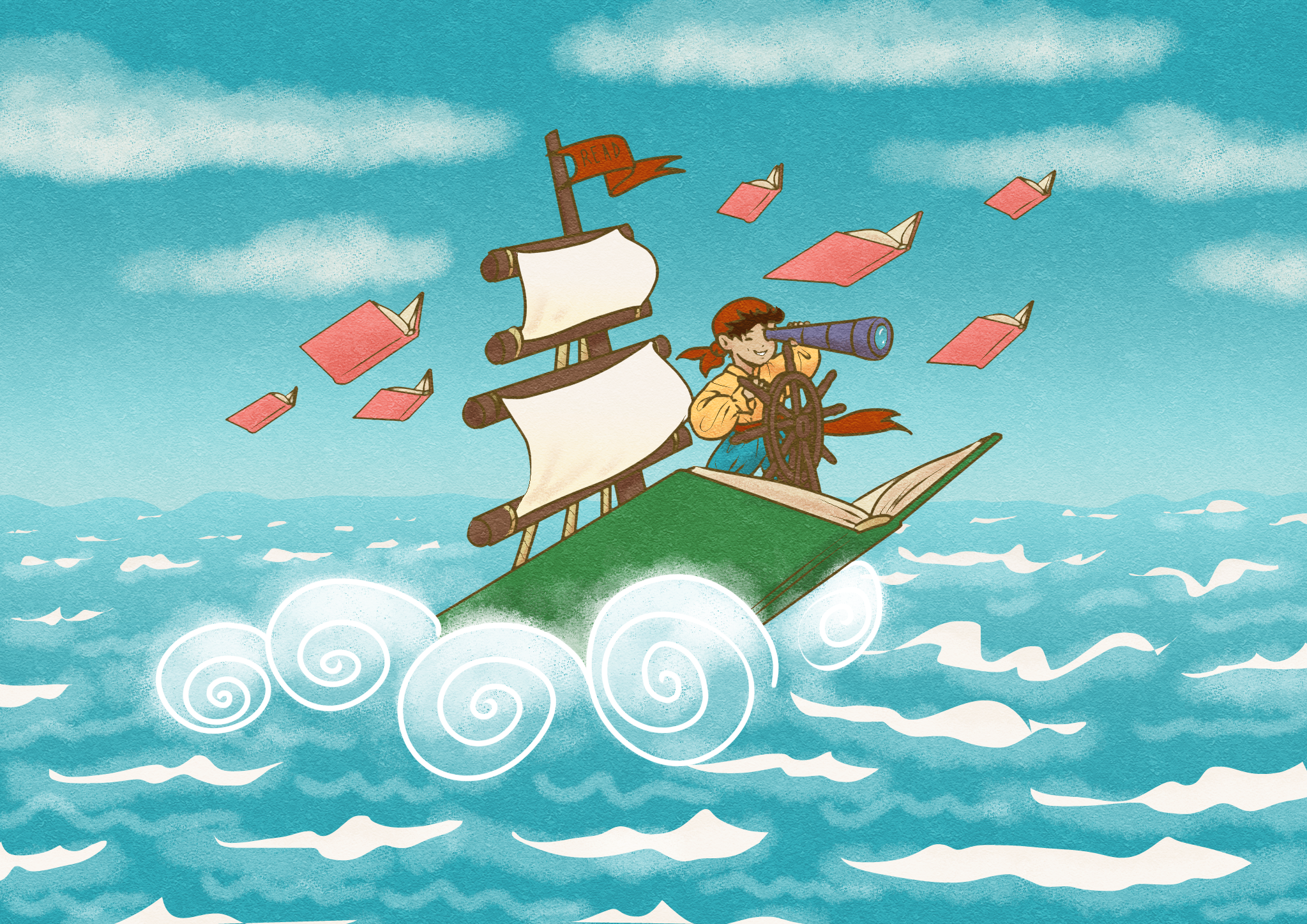
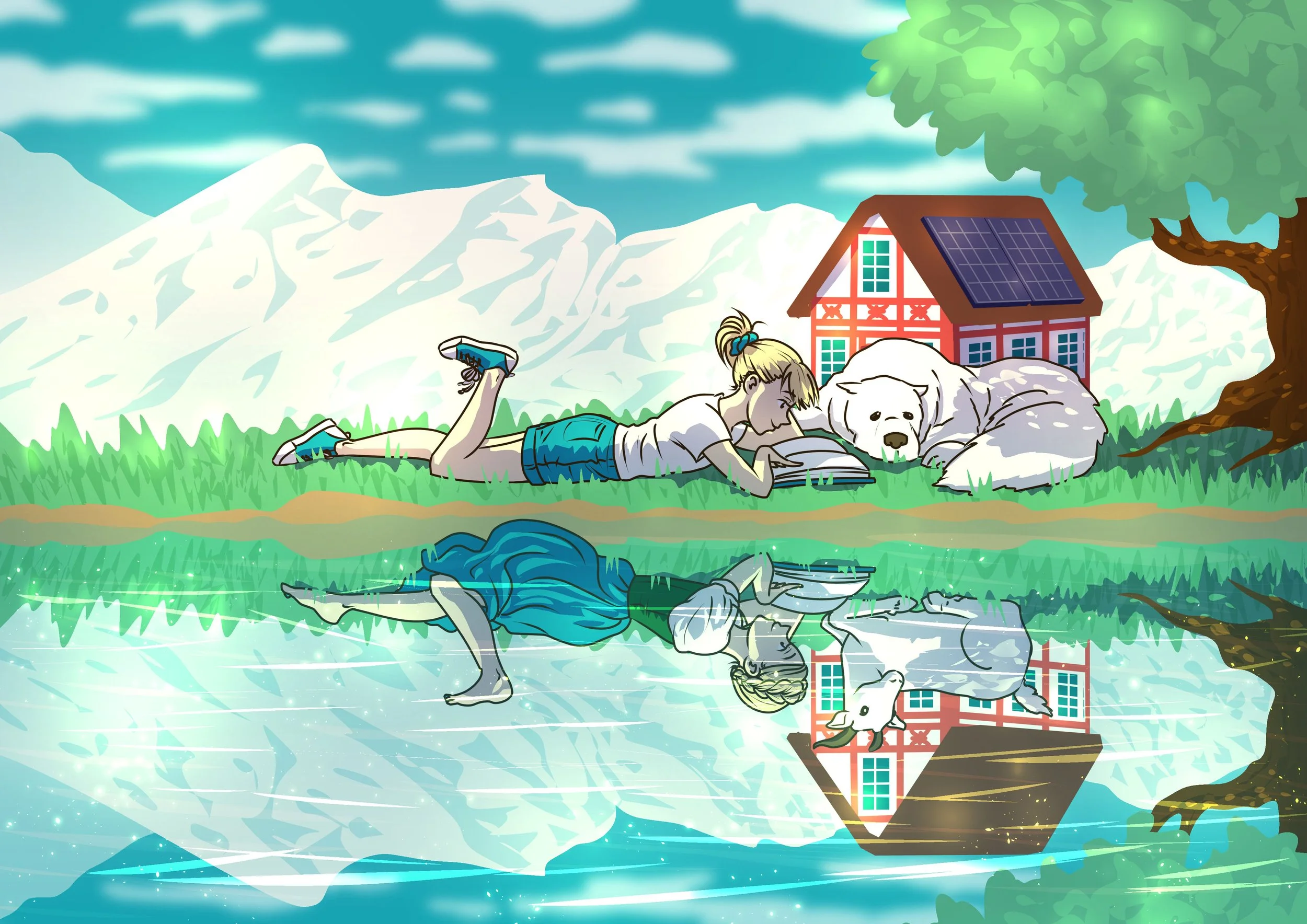
The days are hot and wide open for adventure. Starry nights, beaches, and holidays beckon. It's summer, and for most young people, these months mean no school and lots of free time for play and exploration.
That freedom is precious. But it also comes with something educators and parents worry about: the summer slide. Research has found that students can lose, on average, around 20 percent of their school-year gains in reading over the summer break. Children often go from daily practice, access to books, and lots of encouragement, to a months-long break from any reading at all. This has a real effect on the neural pathways. (Source: Northwest Evaluation Association (NWEA), 2020, The Real Effects of Summer Learning Loss, Portland.)
The encouraging news is that the solution doesn't require worksheets, schedules, or much money. It just requires books. Lots of them. And a healthy dose of encouragement and leading by example.
The most compelling reason to make sure your children have plenty of access to books this summer might just be the economy of it all. Consider what a typical summer costs. A family holiday, a string of restaurant dinners, gaming consoles and new games, a season of cinema trips . . . The expenses add up fast. And while the experiences can be great, activities marketed to children (and adults) often boil down to brief acts of consumption and instant gratification rather than the activities that encourage sustained attention, interaction, and natural curiosity.
A book, on the other hand, costs a few dollars, or nothing at all from a library. And unlike most summer entertainment, it gives back. Children who read over the summer return to school measurably ahead of peers who didn't. Researchers at Harvard found that sustained summer reading was enough to close the comprehension gap that typically opens up over summer, and children who read regularly came back to school genuinely ahead, with stronger vocabulary, comprehension, focus, and creative thinking skills. (Source: James S. Kim & David M. Quinn, Harvard University, The Effects of Summer Reading on Low-Income Children's Literacy Achievement, Review of Educational Research, 2013.)
The best way to double the fun and the learning? Read wherever summer takes you. Don’t let it be a chore. Don’t let it interfere with social events and connection. But do encourage in the moments where it fits naturally. There are many:
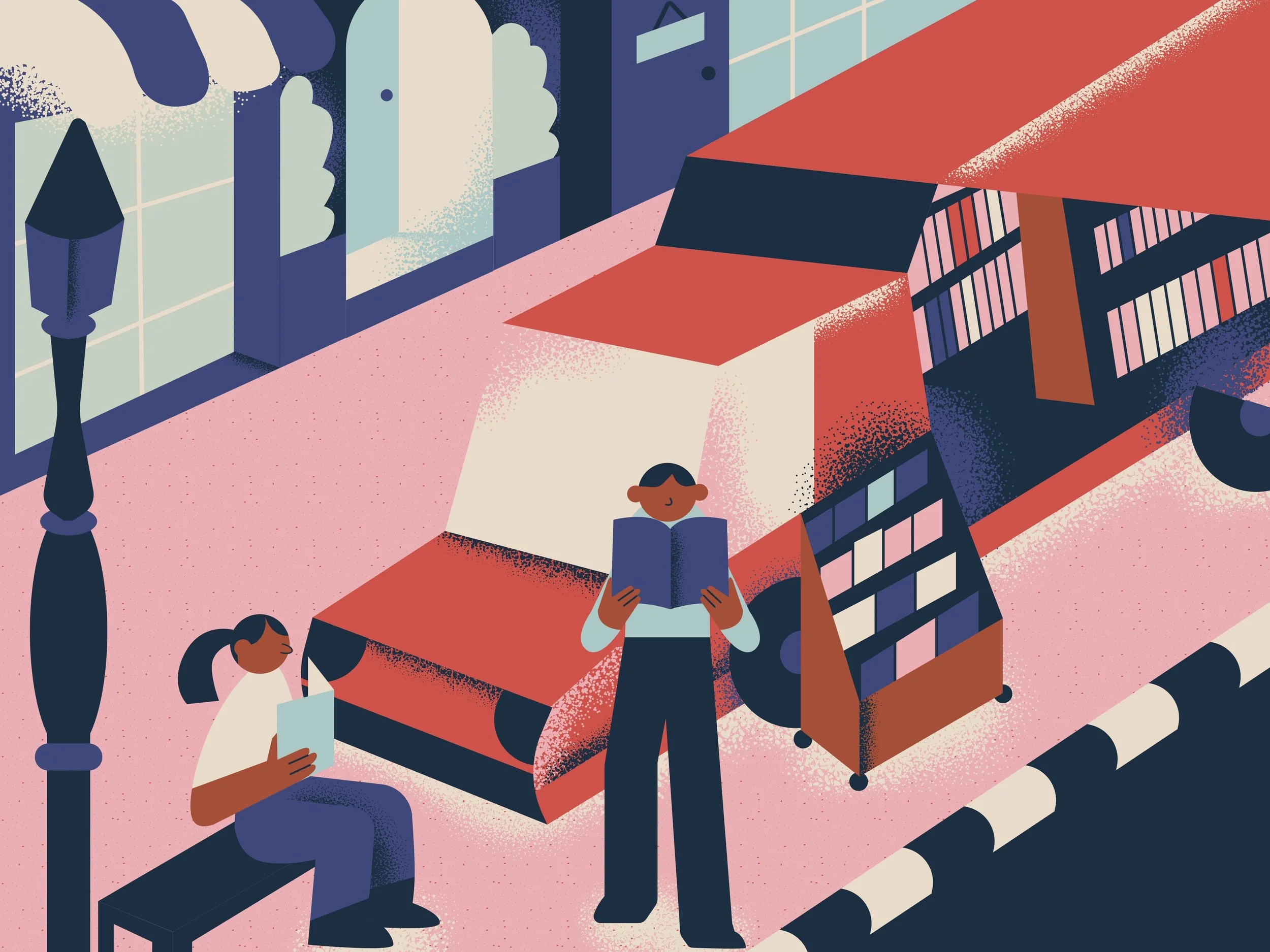
On the road: Cars, trains, and planes mean long stretches of sitting still. What better way to fill the hours than a story about where you're headed?
On a rainy day: Thunderstorms keep us inside anyway. While we wait for the rain to clear, we can read stories about being brave in scary times, waiting times, or wet times.
During free, “I’m bored” moments: Summer boredom is, secretly, one of the best things that can happen to a child. It pushes them to be creative, has them building castles out of boxes and blankets and chairs. The heroes and heroines from books become the inspiration.
In the garden: Step-by-step books about growing food and flowers, in bins and beds and pots, can be a great inspiration for hands-on children interested in the natural world. And they can turn gardening into a reading project and a science experiment at once.
On a long evening: When daylight stretches late, there's still time to roast something over a campfire before snuggling in for a story by lantern light. Reading aloud, together, is one of the best ways to encourage solo reading habits.
As part of a summer book club: We love book clubs, and we think they’re the perfect accompaniment to a summer. Find friends, family, and neighbors, choose a book, read it, and discuss, with snacks, decor, and questions ready. Book clubs allow all of us to gain new perspectives on the stories we read and the people who read them.
None of these ideas requires a reading program or a checklist, and none of it requires a significant budget. A library card is free. A new paperback is often less than a coffee in many parts of the world, and a used book can be a fraction of that cost. But the benefits are anything but small. Studies consistently show that children who engage in home-based summer reading — child-initiated, book-in-hand, no curriculum required — show significant improvement across multiple reading outcomes. While the video game loads and the movie ends and the restaurant bill arrives, a book offers vocabulary, imagination, empathy, focus, and a child who comes back to school in September ready to learn.
So where do we read in the summer? Everywhere.
When do we read in the summer? Every day.
You’ll notice the difference when school starts up again, and in the years to come, so will your children.

Sarah Silverkey
Contributing editor
Sarah is an educator, writer, and artist with over 40 years of primary and secondary school teaching experience in the United States and in Switzerland. She’s a co-founder of the Homeschool Association Switzerland, and a fervent literacy advocate, believing that all good things (or at least, very many of them) come from an early exposure to books and stories.