
Poetry Corner: The Acrostic
STORYVOR has a new feature! Each month, Poetry Corner introduces one easy, accessible poetry form you can try with children at home or in the classroom. This month we look at the acrostic.
11 October, 2026 ● Written by Sarah Silverkey
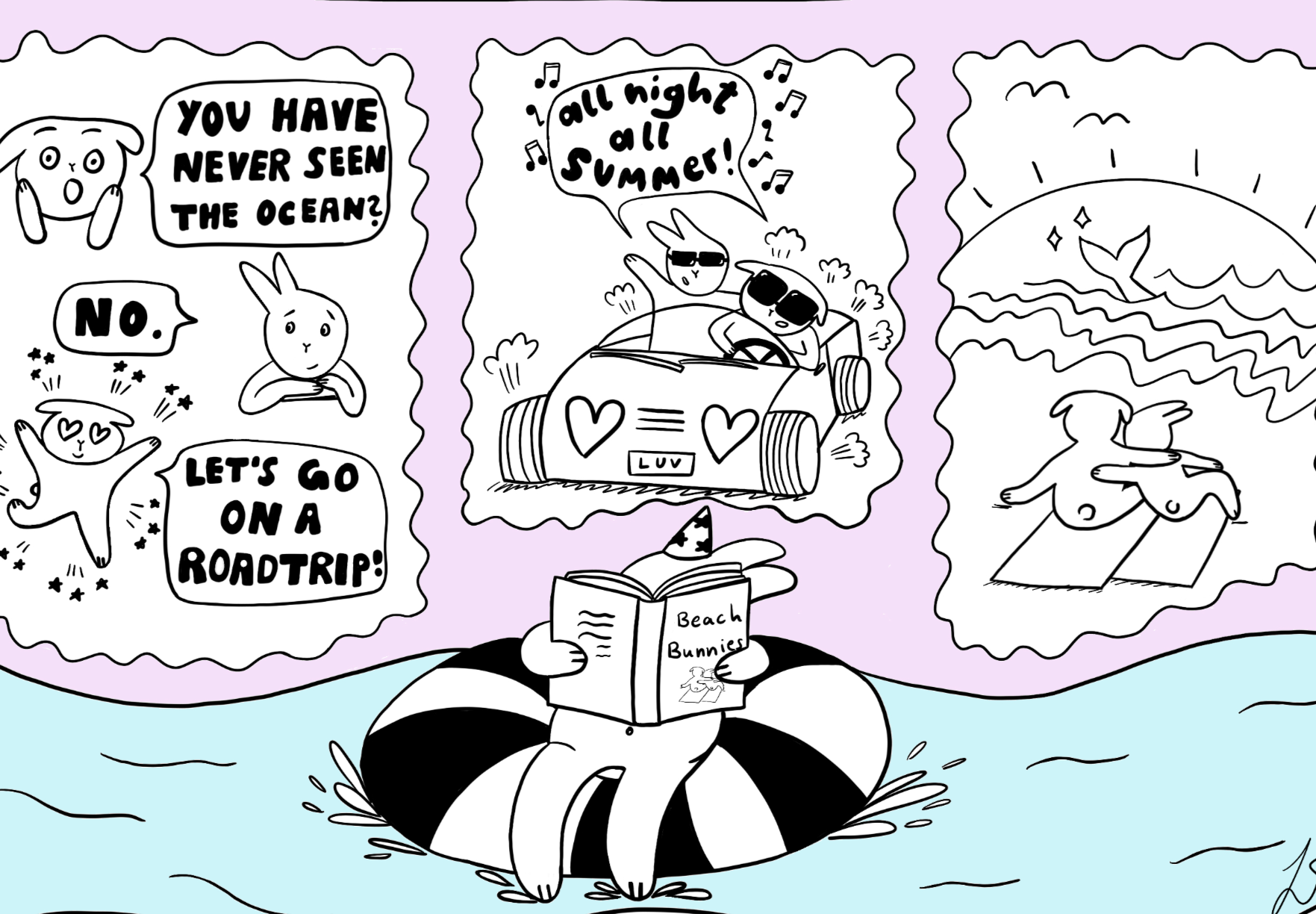
Illustration by Carlos Arroyo for STORYVOR
Poetry is often one of our very first contacts with organized language: nursery rhymes, rhyming picture books, “Twinkle, Twinkle, Little Star.” This is no accident. Our brains are drawn to pattern, and things with patterns are easier to remember. Long before writing, human societies used rhythm and repetition to carry their stories and knowledge across generations, which is one reason so much of the earliest literature is poetry rather than prose.
And today? Rhyme and pattern aid in literacy building as much as ever. Research suggests that rhyme and rhythm train children’s ears to the sounds of language, which supports decoding and spelling. Because poems are short and meant to be read aloud repeatedly, they build fluency, comprehension, and confidence, especially in struggling readers. Writing poetry may also strengthen word choice and idea generation.
So how can we introduce poetry into classrooms in a way that feels accessible? STORYVOR will put together a monthly introduction to various poetry forms, along with simple exercises and prompts, all of which can be easily integrated into literacy teaching. And we’re starting with the acrostic!
What is an acrostic?
An acrostic builds a poem from the letters of a chosen word. Usually, each letter of the word is the first letter of a line. Here is a very short example for the word “Cat”:
Cute and cuddly
Always napping
Toenails tapping
The benefit of this poetry form is that it trains many skills at once, especially vocabulary. What is a cat? What other words describe a cat? And which of those words begin with C, A, or T?
Easy, one-word acrostic
You can also write a very simple acrostic with one word on each line. Here is one for “Stars”:
Shining
Twinkling
Above
Radiant
Shimmering
Rhyming acrostic
An acrostic can have rhythm and rhyme, like this one for “Book”:
Between the covers, worlds unfold,
Oceans, castles, tales of old.
Open one and you will find
Kingdoms waiting in your mind.
Other forms of acrostics
The letters of the word can also come at the end of each line. This is called a telestich. Here is one about a draft horse that does not rhyme. Read the last letter of each line from top to bottom to finde the word “Horse”:
His back is higH
Hooves huge, toO
With reins and collaR
And polished harnesS
Swishing tail, ready to leavE
If the letters appear at both the beginning and the end of each line, it is called a double acrostic. This is more challenging, but a good exercise for children looking to complete a literary puzzle.
How to write an acrostic
This part can be read aloud or printed for children.
Pick a subject word. It can be your name, a season, an animal, an action, or an object. For your first poems, choose a word that is not too short and not too long. Let’s pick the word “autumn”.
Write your word down the page, one letter under the other, with space to the right of each letter.
Think about what the word means to you. On a different piece of paper, write a list of ideas: colorful trees, the autumn sky, raking leaves, mounds of leaves, jumping in, hot cider, picking apples, pumpkins, nuts.
Look at your list and find ideas that could begin with the letters of your word. Write one next to each letter. You can use one word for each line, a phrase, or a whole sentence. You can make some lines rhyme if you want to.
All the trees turned colors
Under the autumn sky
Time to rake leaves
Under the trees
Mound them up high
Now jump!
Your turn
Now you can write an acrostic with the word “library”. Here are some words to help you:
L: learn, look, love, listen, late
I: interesting, investigate, inspiring, imagine
B: books, bring, borrow, browse
R: read, return, remember, rows
A: adventures, aisles, all, always
Y: yours, yesterday, “yesterday, today, and tomorrow”
Note: If you’d like to collaborate with us or get your own co-branded materials for encouraging literacy at your school, organization, or institution, reach out! We’re happy to work with you to inspire reading in your community, always free of charge, so don’t hesitate to get in touch.
Sarah Silverkey
Contributing editor
Sarah is an educator, writer, and artist with over 40 years of primary and secondary school teaching experience in the United States and in Switzerland. She’s a co-founder of the Homeschool Association Switzerland, and a fervent literacy advocate, believing that all good things (or at least, very many of them) come from an early exposure to books and stories.
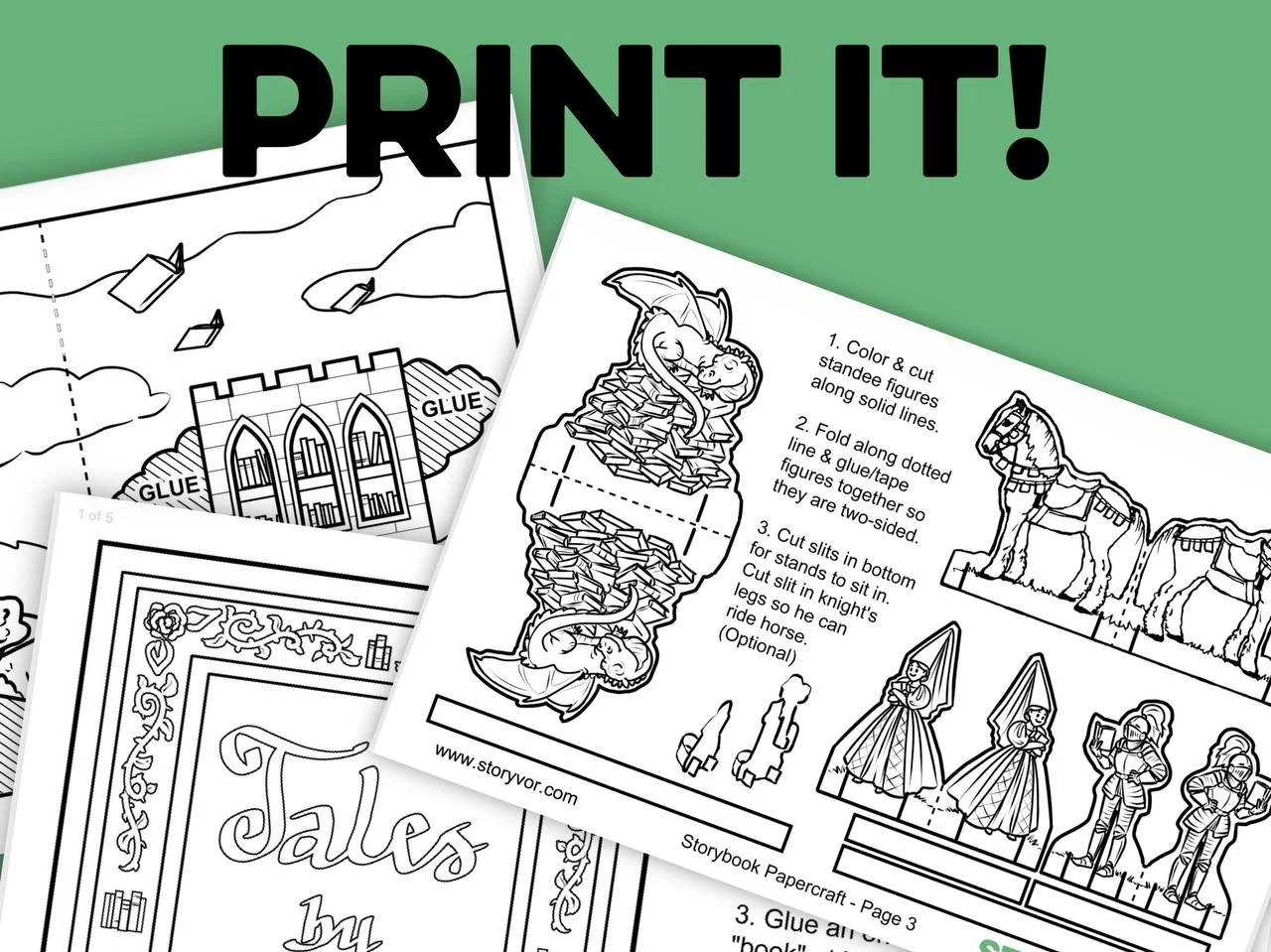
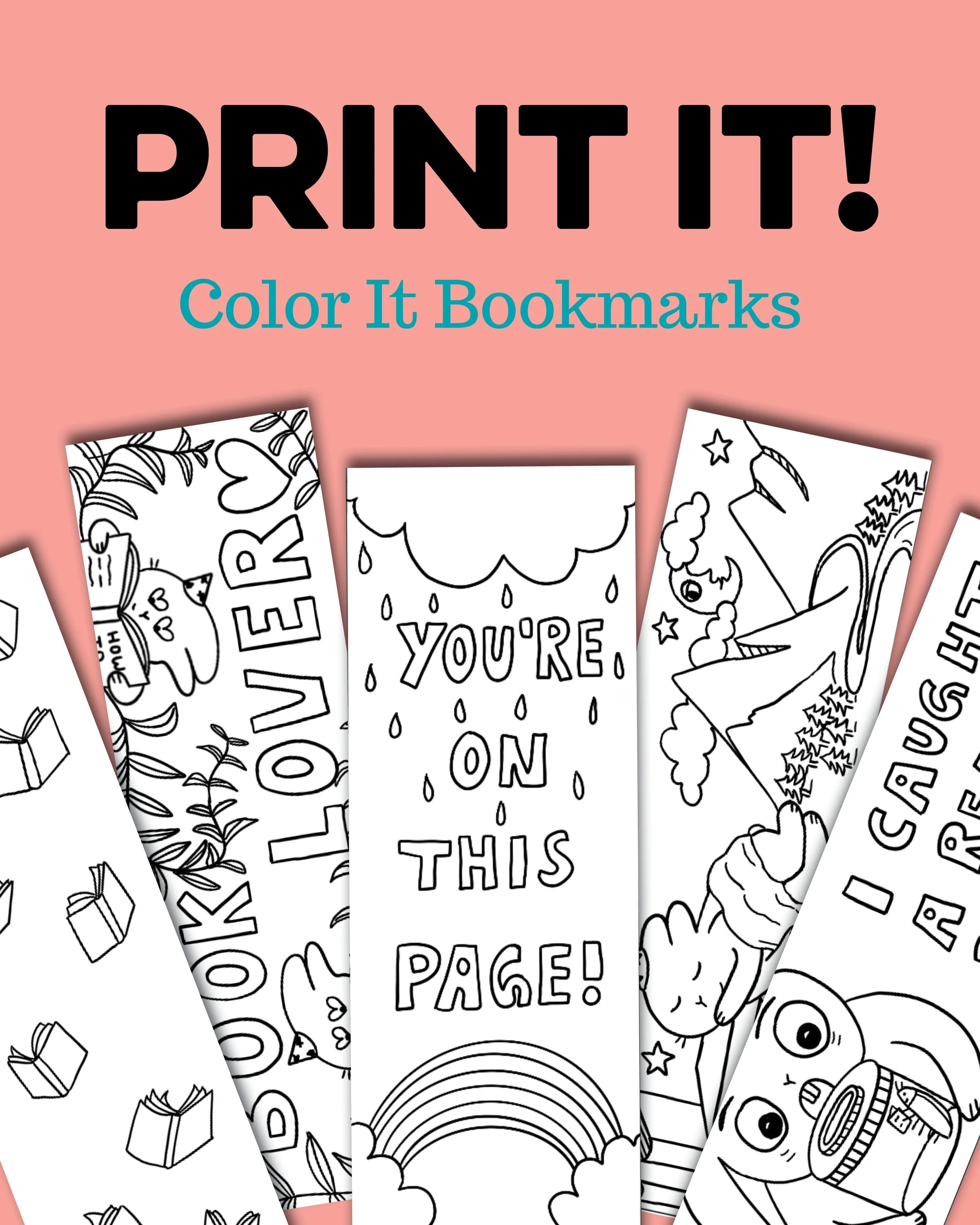


Books are magical things, and so it makes sense that the process of making them can seem mysterious and complicated. But the truth is, anyone can make a book. Not with AI, not digitally, but with your own skills and filled with your own expression. Here’s how.