
Why Handwriting Matters: 4 Science-Backed Ways It Builds Stronger Readers and Writers
Educator Sarah Silverkey looks at what writing by hand does for children, from laying the foundations of reading to sharpening the skills that predict success at school.
11 August, 2026 / Written by Sarah Silverkey
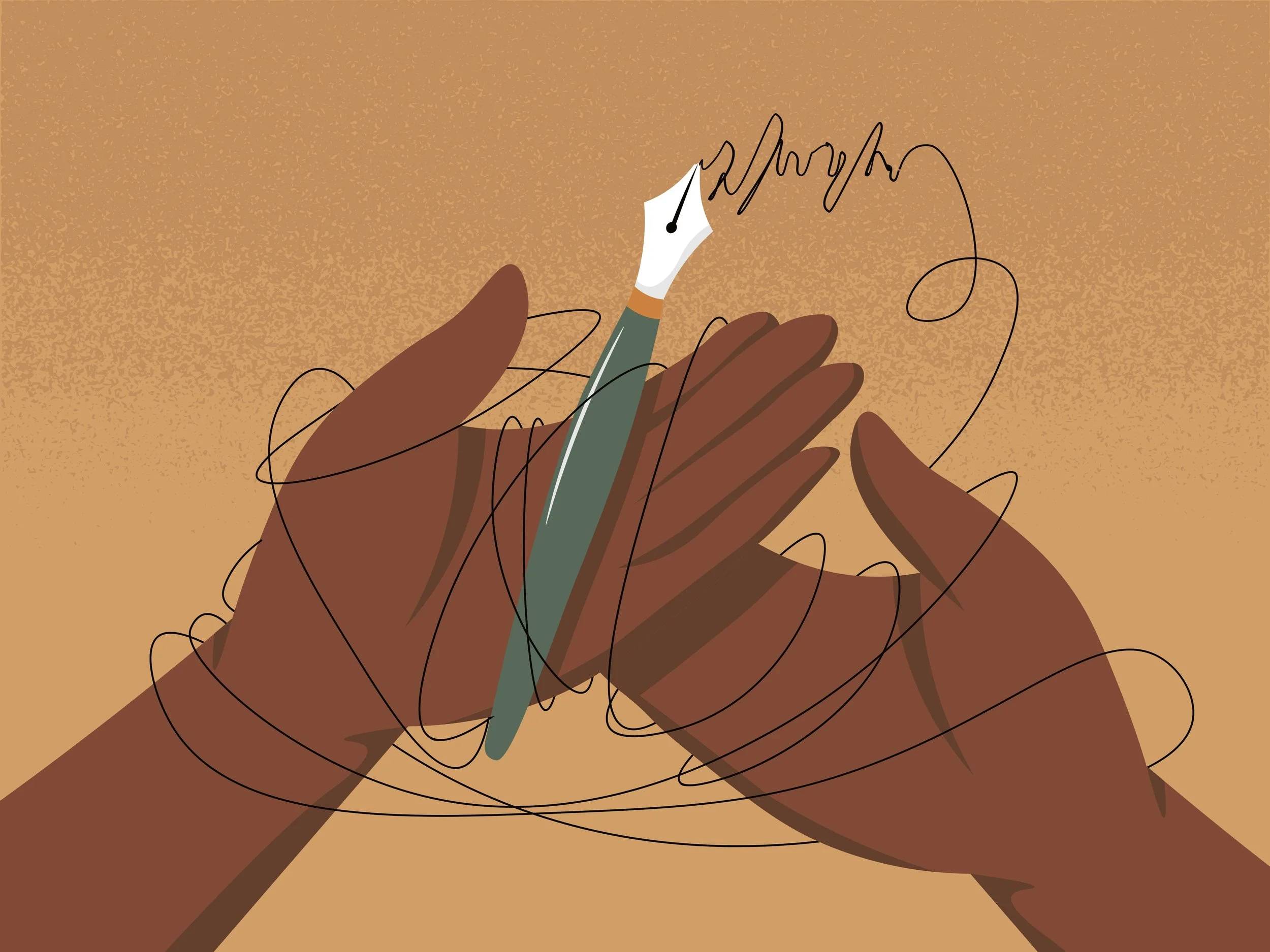
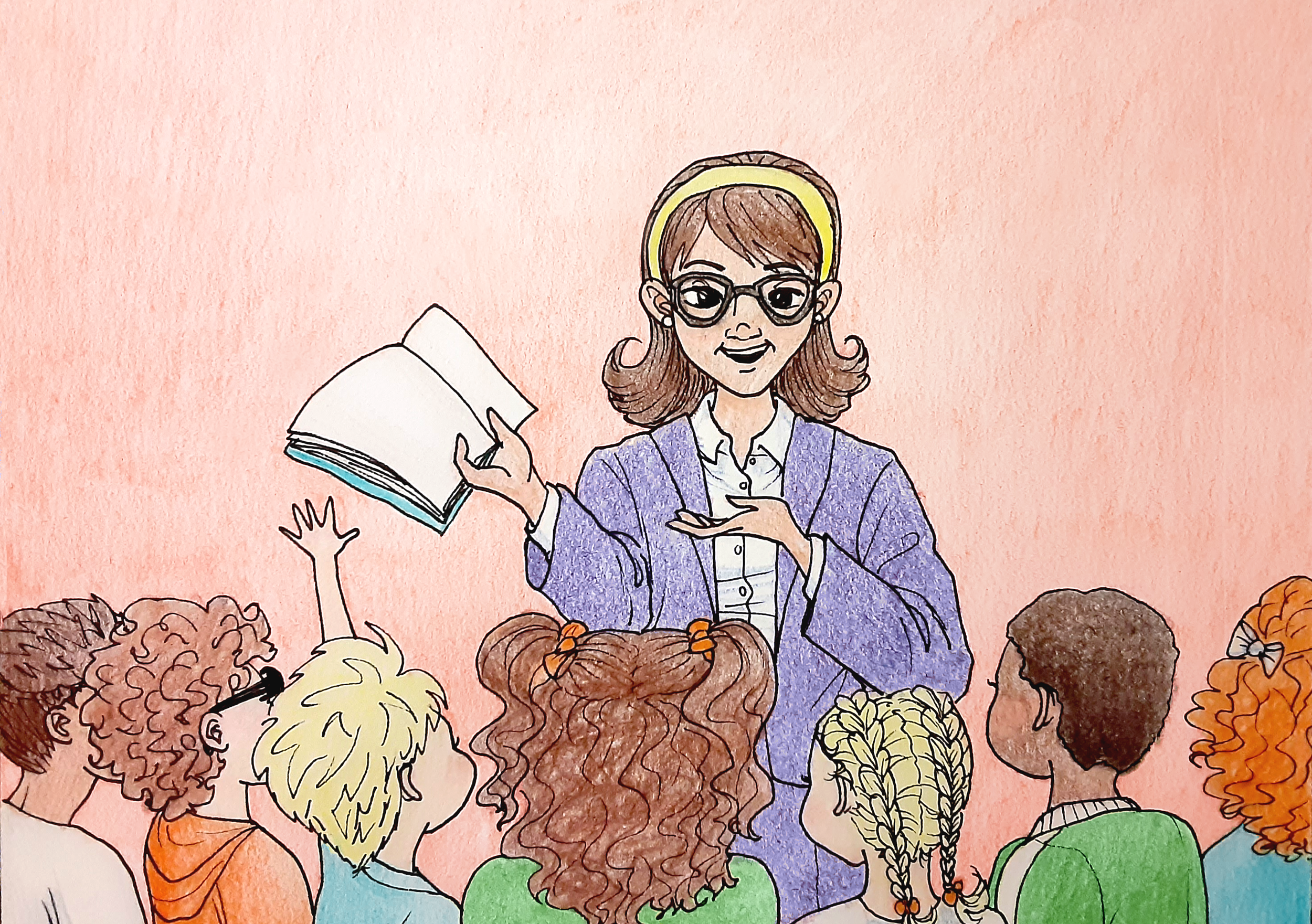
Illustration by Sofia Gazarian for Unsplash+
Our most popular article by far at STORYVOR is Why Reading Matters: 10 Powerful, Science-Backed Ways Literacy Shapes Our Lives. It’s an appeal to the vital importance of reading, and why we need to encourage it. Handwriting, it turns out, is closely related to reading in several compelling ways, and can be equally useful for our lives and brains.
Though some historians argue that handwriting is already a relic, a technology from the past that can safely be replaced, there is ample evidence to the contrary. On that note, here is why handwriting matters and the reason to keep it, practice it, and encourage it in your home and classrooms.
Why handwriting matters
We all know that no one else in the world has our fingerprints. The same is true of our irises. But there is a third thing that belongs to each of us alone, and it is the only one we can share freely with other people. That is our handwriting.
Just as every artwork is a kind of self-portrait, everything we write by hand is an expression of the self that wrote it. The size of the letters, the pressure of the pen, the slant, the spacing: all of it carries something about the writer's mood, personality, and circumstances at the moment of writing. Handwriting has served as a window into whole eras, and into individual lives. It is a direct — and perhaps the most precise — path to communicate our thoughts and feeling to the outside world, a clear connection between the brain and the physical world.
What we traded away
Somewhere in the last two decades, many schools began exchanging handwriting instruction for typing instruction, and over the last twenty years or so that shift has accelerated. Children moved to laptops and keyboards. Handwriting came to be seen as superfluous, a charming leftover from an earlier century. Many young children still learn to form manuscript letters, but the emphasis moves quickly to the keyboard, and cursive has vanished from a great many classrooms altogether.
The trouble is that typing and handwriting are not — as many assume — the same activity performed with different tools. Research shows that handwriting and typing engage the brain quite differently.
Handwriting draws on visual processing, language centers, and the sensorimotor cortex all at once. Typing leans much more heavily on repeated finger movements and much less on the memory and language regions. Typing is wonderfully efficient for producing a lot of text quickly. Its usefulness cannot be overstated. But the brain is less engaged while doing it, and it retains less of what it produced.
There is also a difference in the body. Handwriting is a fine-motor skill, demanding a precision and dexterity that keyboarding simply does not require. Writing on a touchscreen sits somewhere in between, closer to typing than to the pen.
The good news is that the conversation is slowly turning. Researchers are actively studying what the brain does during handwriting, and how that compares to typing, and a rough consensus has begun to form. Fifteen years ago handwriting was slipping out of American classrooms after Common Core emphasized keyboarding over cursive. Today more than half of US states have written it back into law, most within the last decade.
Here are some of the main reasons why:
Handwriting helps children learn to read
Handwriting trains the hand and the eye to work together, which is exactly the skill reading depends on. A systematic review of seventeen studies, covering more than three thousand kindergarten children, found that handwriting instruction improved reading outcomes as well as writing ones: letter names and sounds, spelling, and word reading all benefited. Writing the letters is part of how children learn to read them.
Yet handwriting almost never comes up in the conversation about improving children's reading. One reason, as the Iowa Reading Research Center points out, is that in the United States, most state standards move on quickly: handwriting is emphasized until the end of first grade, and after that the focus shifts to keyboarding and digital tools. The skill gets treated as finished at six years old.
That neglect has a long history. For centuries reading and writing were taught separately, often by different teachers, and writing was the rarer skill that many children never reached at all. Writing still trails reading today. It is missing from the big international school assessments, PISA and PIRLS, both of which test reading and neither of which tests writing.
What we choose to measure shapes what we choose to teach. If the two skills really do build each other, it is worth asking why we still count only one.
Source: Ray, K., Dally, K., Rowlandson, L., Tam, K. I. & Lane, A. E. (2022). The relationship of handwriting ability and literacy in kindergarten: a systematic review. Reading and Writing, 35(5), 1119-1155.
2. Handwriting sharpens the fine motor skills that predict school success
Researchers set out to identify which skills, measured as children enter kindergarten, best predict how they will do at school years later. The expected answers were early reading and early maths. Fine motor ability turned out to be a strong predictor too, and taken together with attention and general knowledge it forecast later reading, maths, and science better than early reading and maths scores managed on their own.
Handwriting is a fine motor skill, and it sits in a family with cutting, folding, drawing, threading, and building. None of those look like literacy work. All of them appear to feed it. It is worth remembering this the next time art or craft time is cut to make room for something that looks more academic. On this evidence, the cutting, painting, and folding are the academic work.
Source: Grissmer, D., Grimm, K. J., Aiyer, S. M., Murrah, W. M. & Steele, J. S. (2010). Fine motor skills and early comprehension of the world: Two new school readiness indicators. Developmental Psychology, 46(5), 1008-1017.
3. Handwriting trains us to think a step ahead
Writing by hand means always working slightly in advance of ourselves. When researchers asked children aged 8 to 10 to write pairs of cursive letters on a digitizer, the way they wrote the first letter changed depending on which letter was coming next. The downstroke of an l was shorter in ll than in le, and shorter in le than in ln. While the hand was still forming one letter, the child was already processing the next.That anticipation is what turns letter-by-letter effort into fluent writing. Early on, children produce each letter as a separate unit and only begin the next once the previous one is finished, because the attention each letter demands is so high. Around age nine, the process starts to become automatic, and the writing runs ahead of itself.
Source: Kandel, S. & Perret, C. (2015). How do movements to produce letters become automatic during writing acquisition? Investigating the development of motor anticipation. International Journal of Behavioral Development.
4. Handwriting gives every student something that is theirs alone
Researchers collected handwriting from 1,500 people, sampled to be representative by gender, age, and ethnicity, and used computer algorithms to extract features like slant, line separation, and character shape. Using only global attributes and very few characters, they could identify the writer with a high degree of confidence. The study was undertaken to validate, for court purposes, the hypothesis that handwriting is individual. A follow-up compared 206 pairs of twins and reached the same conclusion.
When we type, use emojis, etc., we’re usually legible to everyone. This is hugely useful. Equally useful, however, is learning to hone, shape, and appreciate our individual selves, our thoughts and expressions from a young age.
Source: Srihari, S. N., Cha, S.-H., Arora, H. & Lee, S. (2002). Individuality of handwriting. Journal of Forensic Sciences, 47(4), 856-872.
So, with all of that in mind, it is worth going out and buying a decent pen and some good paper, and writing somebody a beautiful letter.
Further reading
Below you will find two books that make the case for handwriting and deep reading from opposite directions. Both are written for a general audience, and neither requires a background in neuroscience.
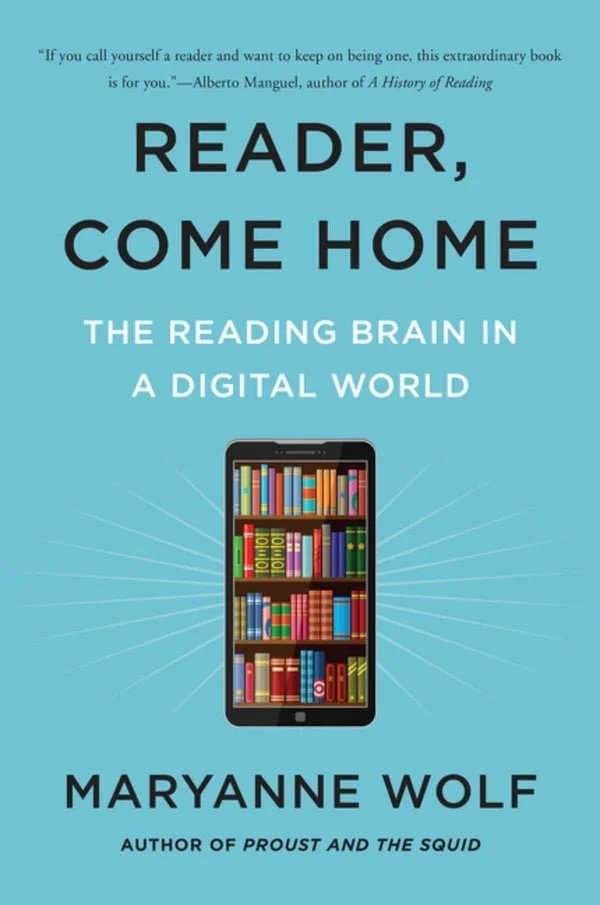
Reader, Come Home: The Reading Brain in a Digital World
A cognitive neuroscientist writes about what happens to the reading brain when it grows up on screens.
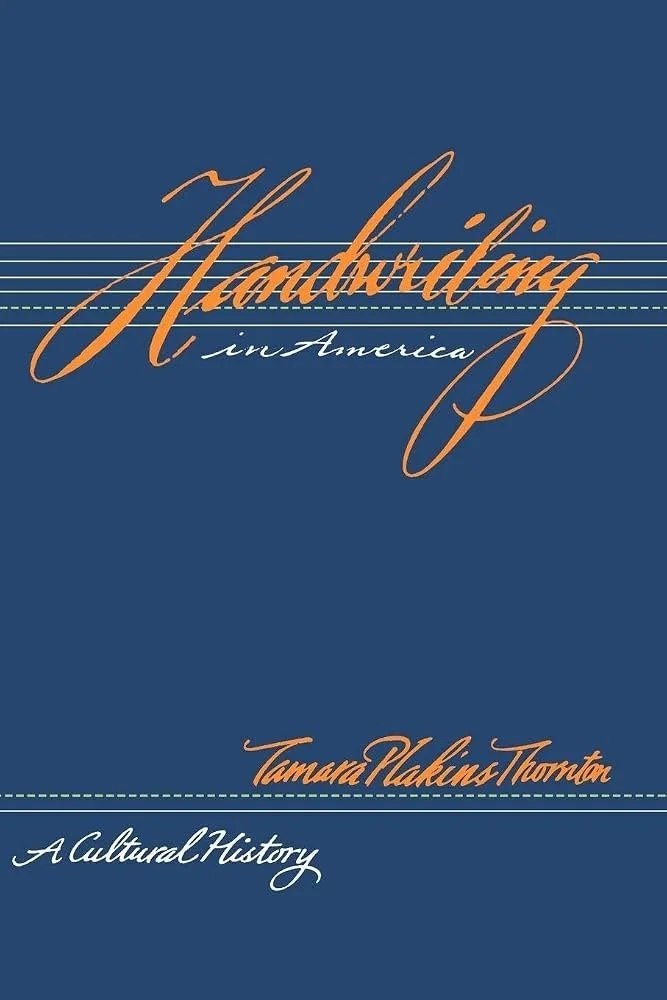
Handwriting in America: A Cultural History
Interesting for its opposing argument that handwriting is largely nostalgia: A cultural historian traces handwriting in America, and asks what our attachment to penmanship has always really been about.

Sarah Silverkey
Contributing editor
Sarah is an educator, writer, and artist with over 40 years of primary and secondary school teaching experience in the United States and in Switzerland. She’s a co-founder of the Homeschool Association Switzerland, and a fervent literacy advocate, believing that all good things (or at least, very many of them) come from an early exposure to books and stories.







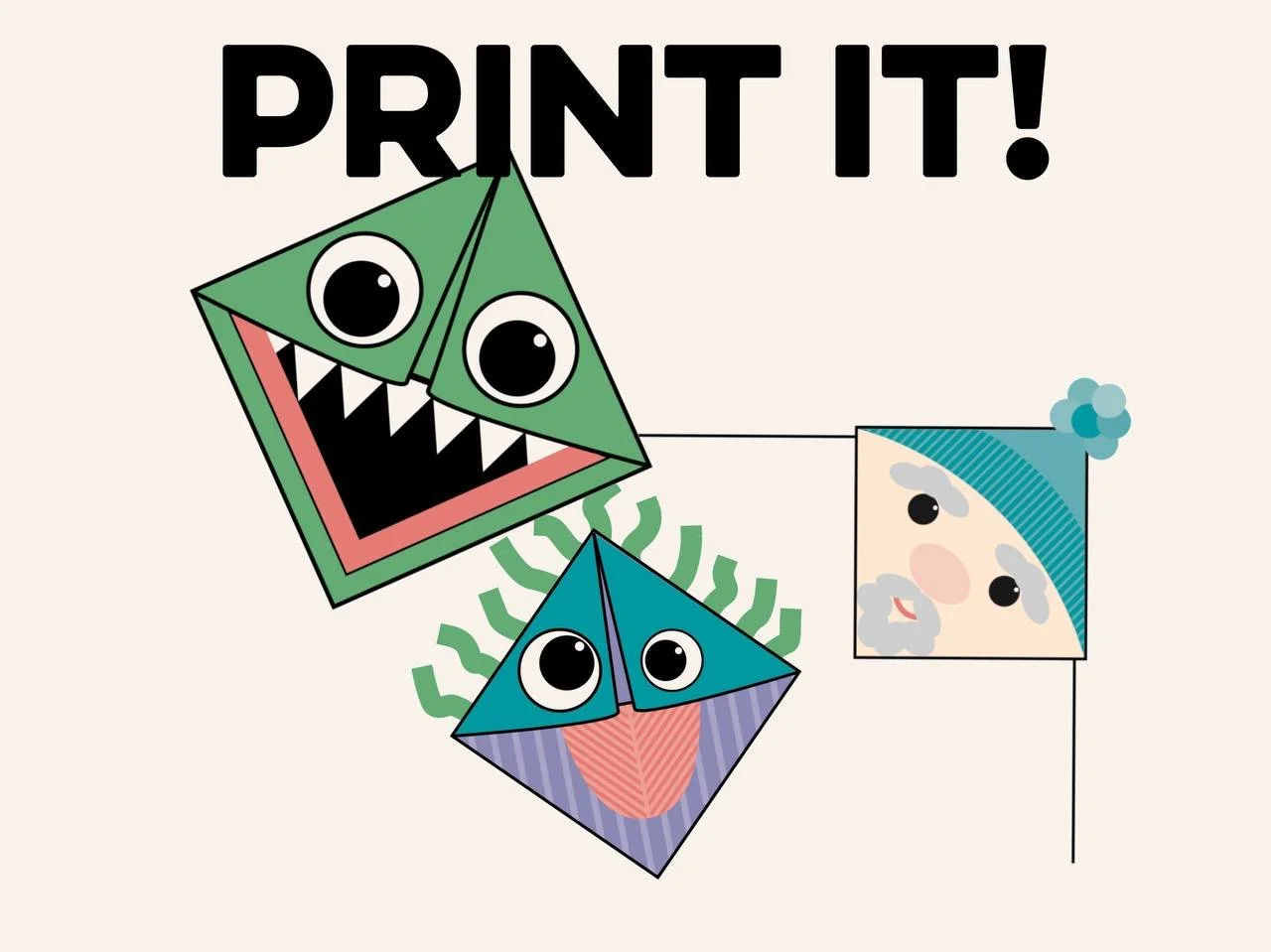
Sarah Y.'s illustrated, printable play-set turns a few sheets of paper into a castle, a river, a dragon, and a story. Use it in class for crafting time, storytime, and world-building.