
How to Make a Book
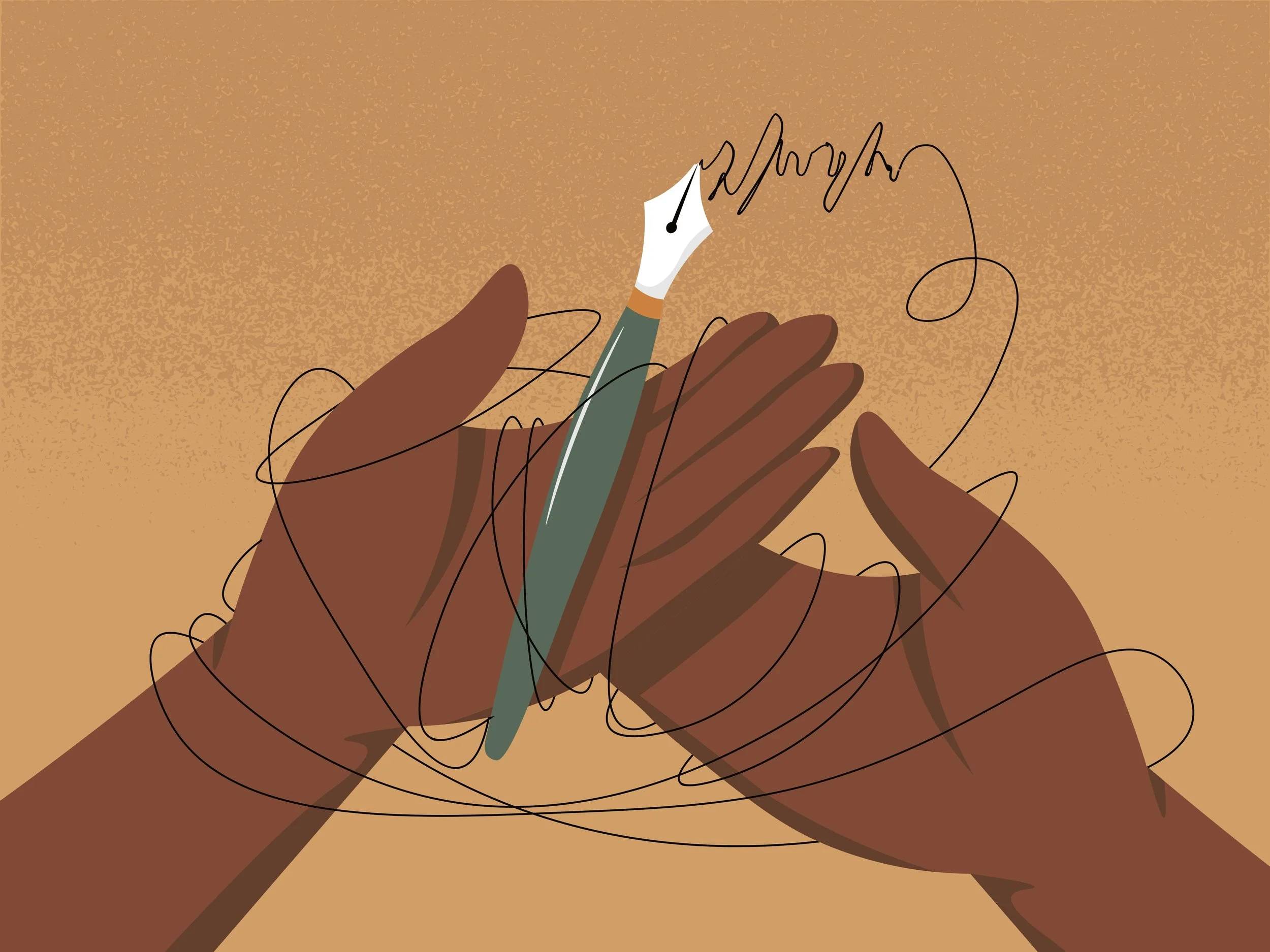
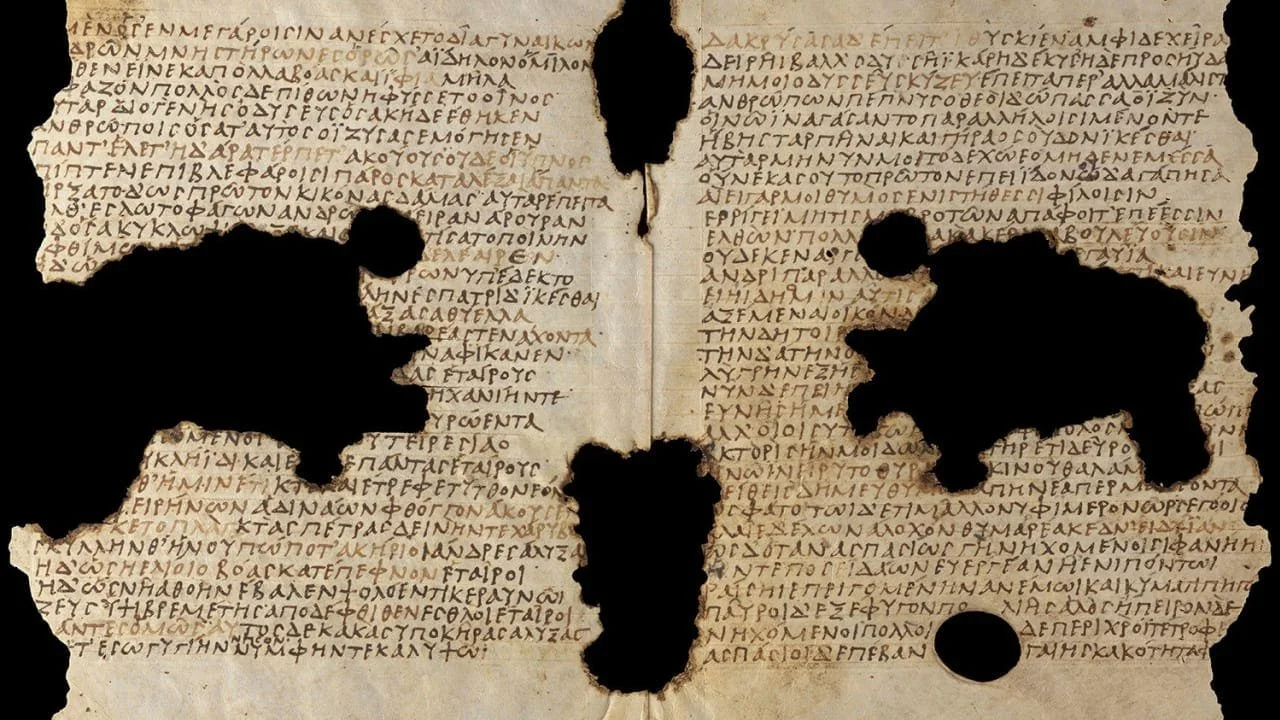
Books are magical things, and so it makes sense that the process of making them can seem mysterious and complicated. But the truth is, anyone can make a book. Not with AI, not digitally, but with your own skills and filled with your own expression. Here’s how.
9 October, 2026 ● Written by Sarah Silverkey
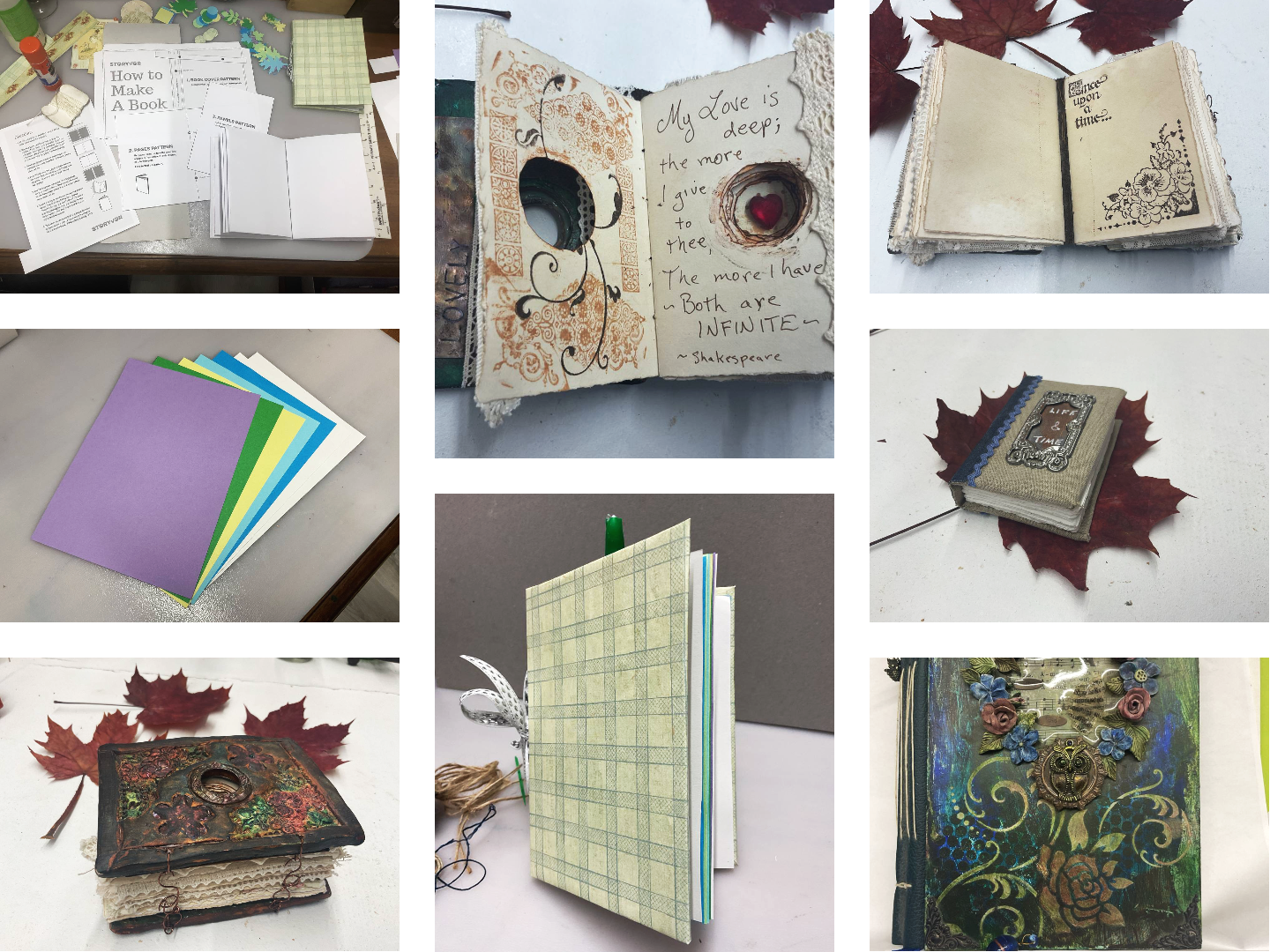
Image copyright: STORYVOR and Sarah Silverkey
To a child, books can seem distant and mysterious: things you observe, things you can read, but not necessarily things you can create yourself. At STORYVOR, we think writing, crafting, and making are necessary parts of literacy: the idea that we can not only consume information but also organize and create it ourselves, thoughtfully and carefully.
Making a book builds many skills at once, from fine motor coordination and craftsmanship, to artistic expression, and storytelling. It also gives children a sense of agency and a hands-on understanding of one of the most enduring forms of communication in history. Making a book by hand is a process of demystification and, paradoxically, also one of wonder and appreciation for the strange alchemy of the format.
Recently, a prominent Swiss telecommunications company launched a massive campaign for making your own children’s book, with an app and AI generation, complete with a poorly AI-illustrated example. Against that backdrop, the idea that anyone can make a book may sound hollow. We don’t think AI-generated books are worth the time or effort. We do think that encouraging children and students to make a book by hand, fill it with their own thoughts and expression, decorate it, and put time and care into it absolutely is. Instead of handing off an entire art form and skill-set to a computer, children and students take back skills that are slipping further and further away. (We’re happy to say that the above-mentioned initiative was sharply criticized by the Switzerland’s creative community and by national organizations representing authors and illustrators, such as Syndicom and AUTILLUS. It did not gain traction.)
With that in mind, what better way to counteract the slide into empty, computer-generated media than to make a book with our own hands? This easy guide is perfect for a classroom project, ideally spread across multiple sessions. Make the cover, cut the pages, bind the spine, and then fill it with all the wonderful things you can think of: a diary, a story, illustrations, your favorite quotes or poems.
Enjoy!
What you’ll need
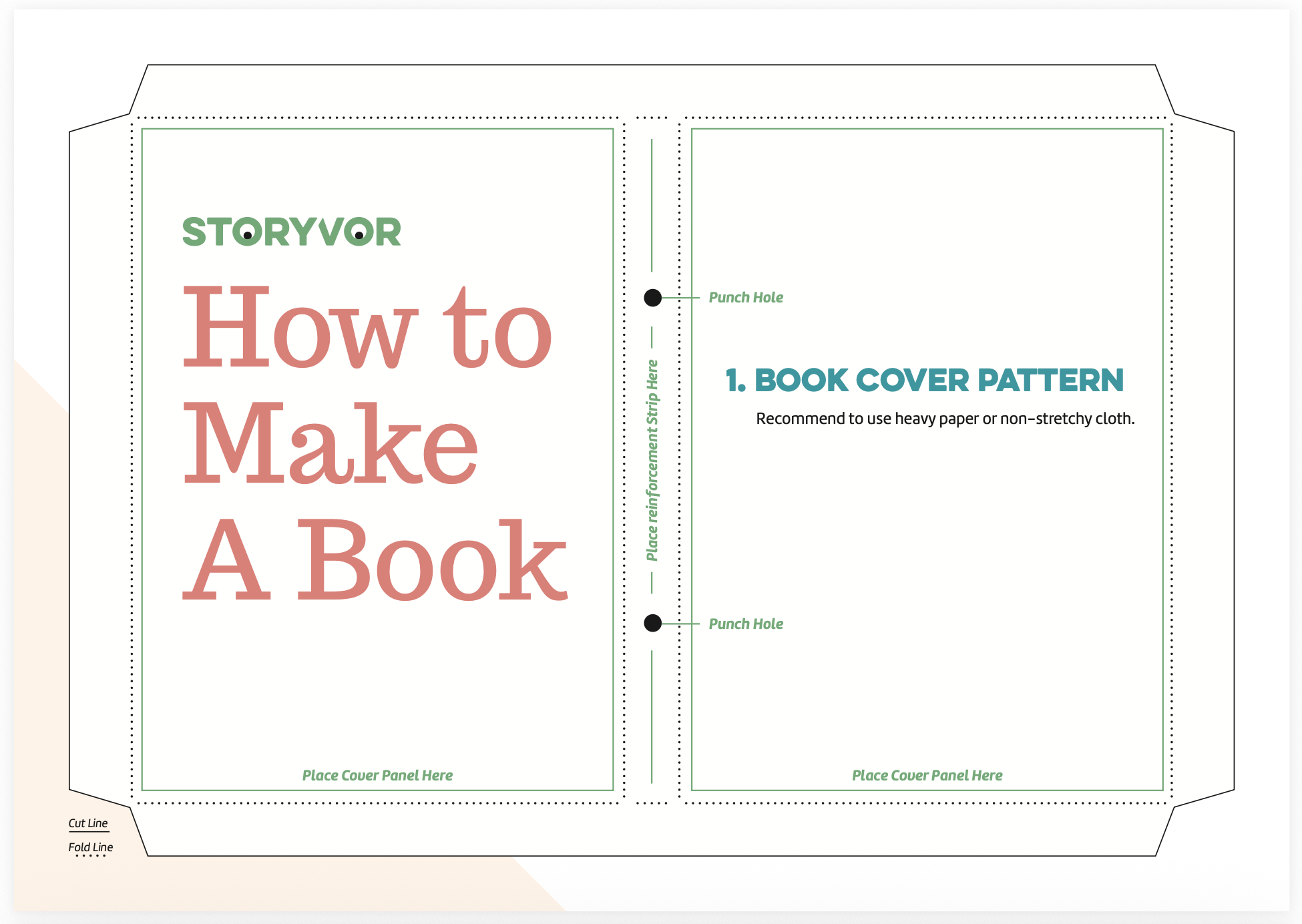
STORYVOR’s printed patterns (book cover, pages, and panels)
Scissors
Heavy paper or non-stretchy fabric for the cover
Thin cardboard for the two cover panels (a cereal box works well)
A strip of heavy paper for the spine reinforcement
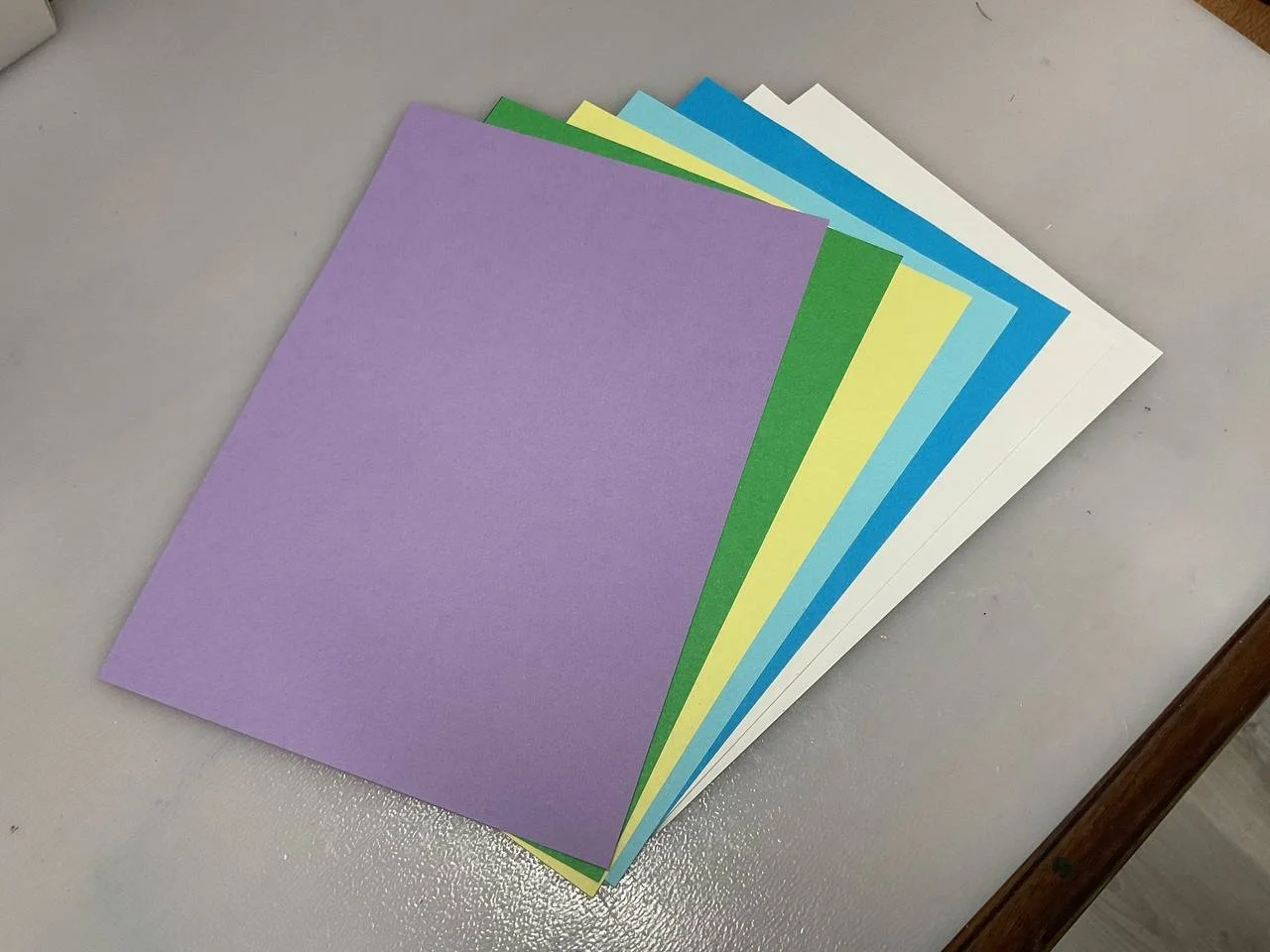
6 to 10 sheets of paper for the pages (white, colored, or a mix)
2 sheets of decorative paper for the inside covers / end papers
Glue
An awl or large needle for punching the holes (adult help recommended)
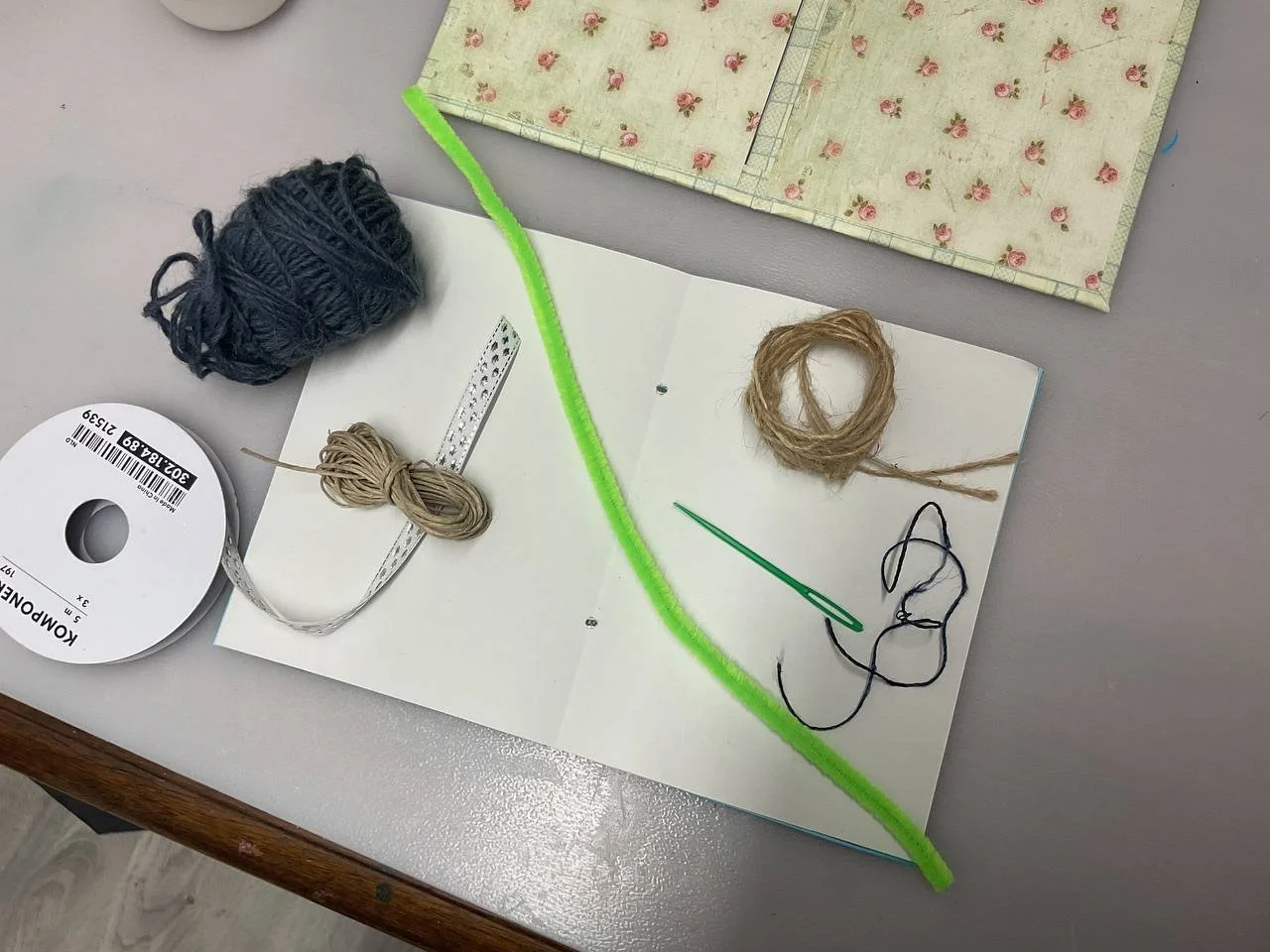
String, cord, yarn, or narrow ribbon, 30 to 38 cm long (For young crafters, a pipe cleaner or chenille stem could be most useful for this step; no knotting or tying involved!)
Pens, colored pencils, paint, markers, stamps, stickers, washi paper tape etc. for decorating and filling the book
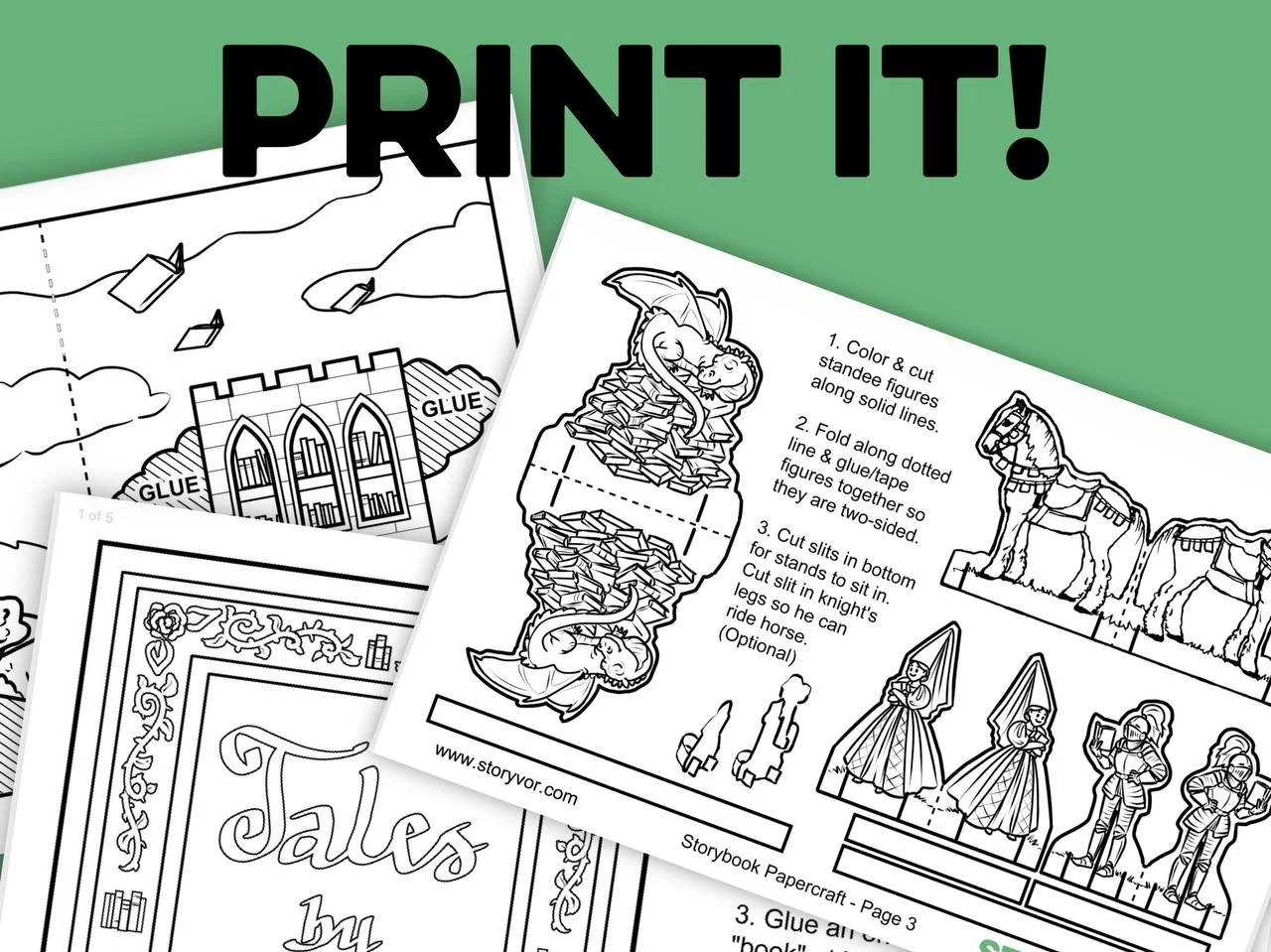
Tip: For younger students or classrooms where this bookmaking project might be a challenge for another time, try out our easy storybook papercraft here.
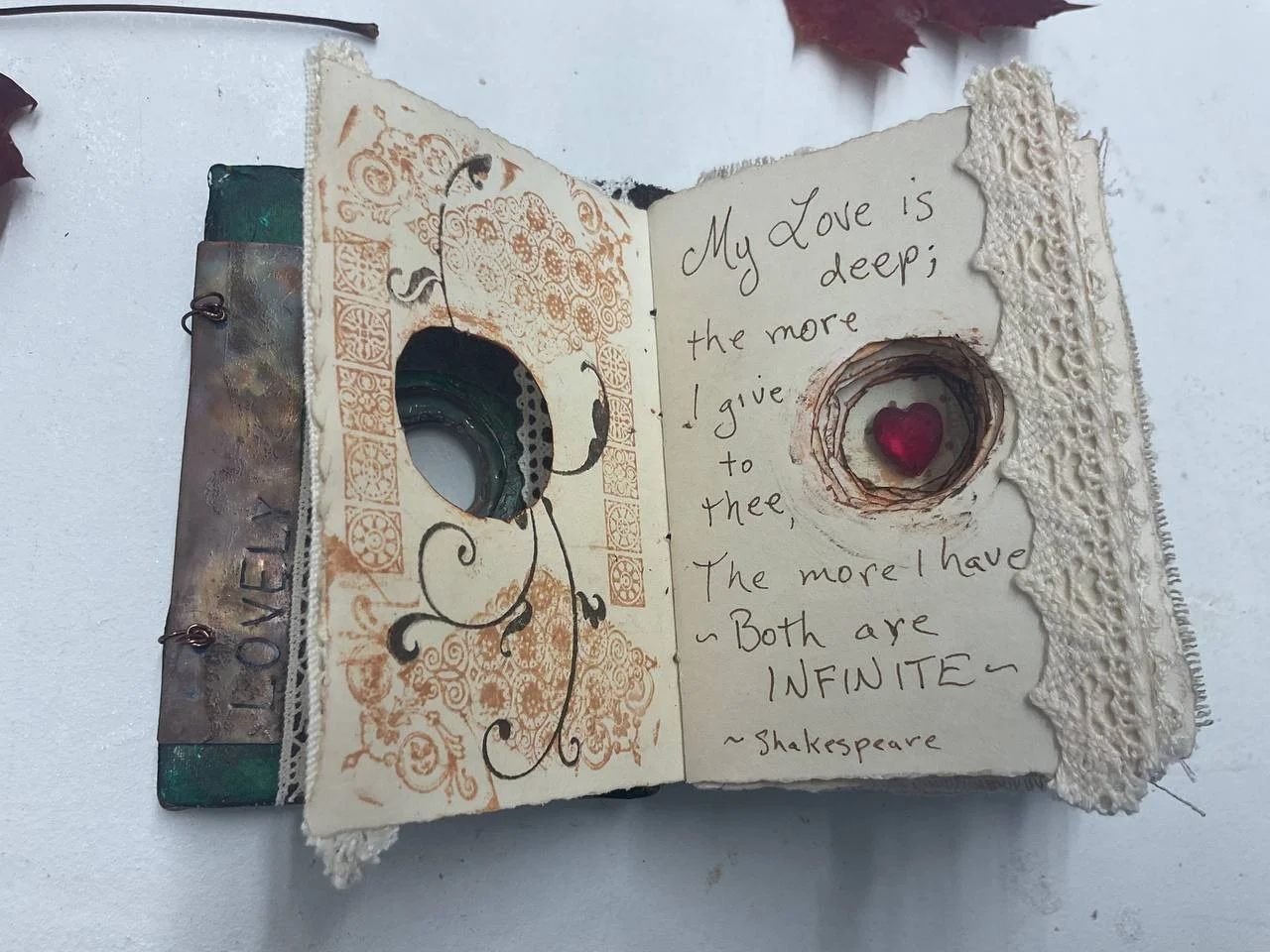
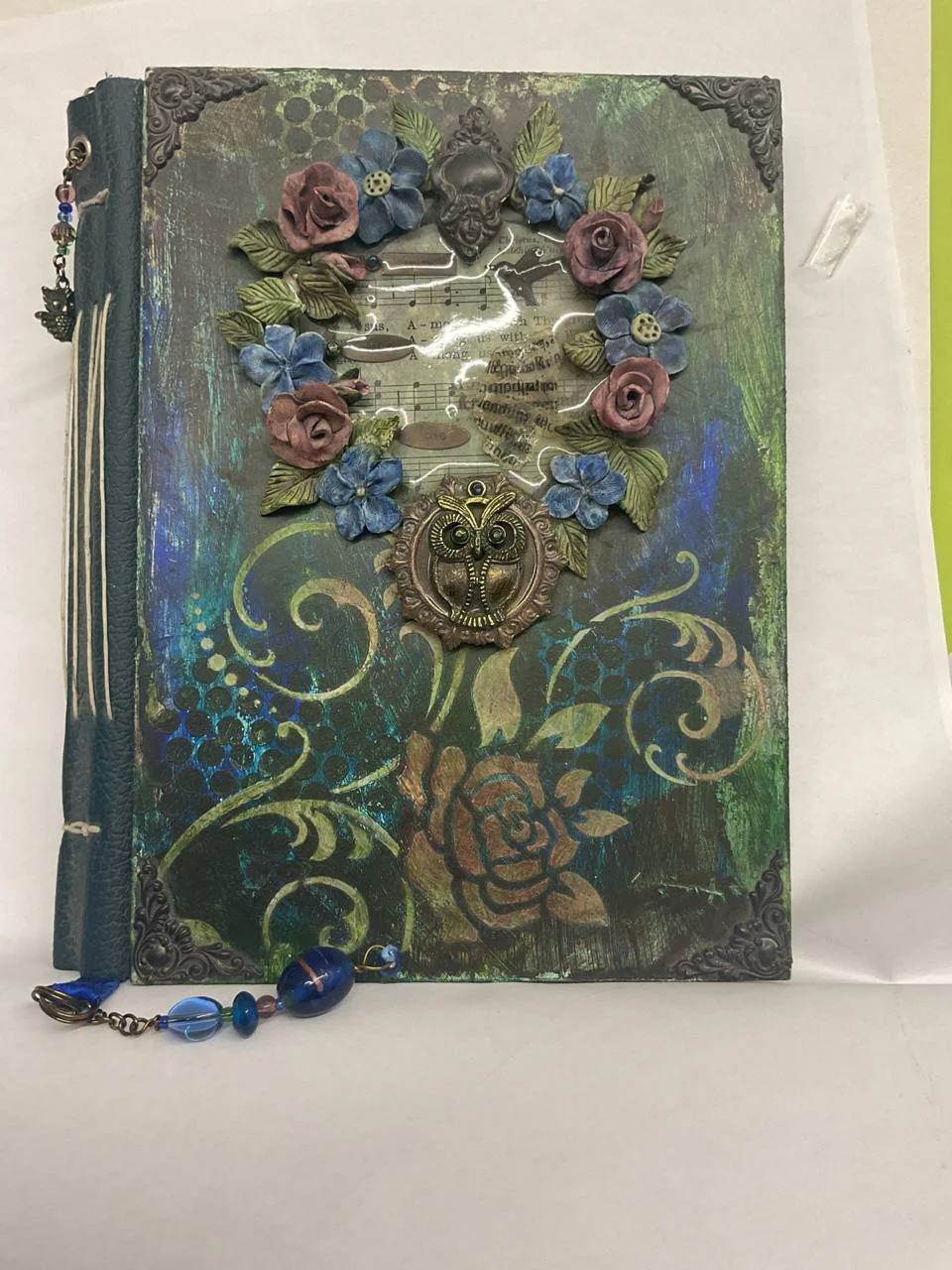
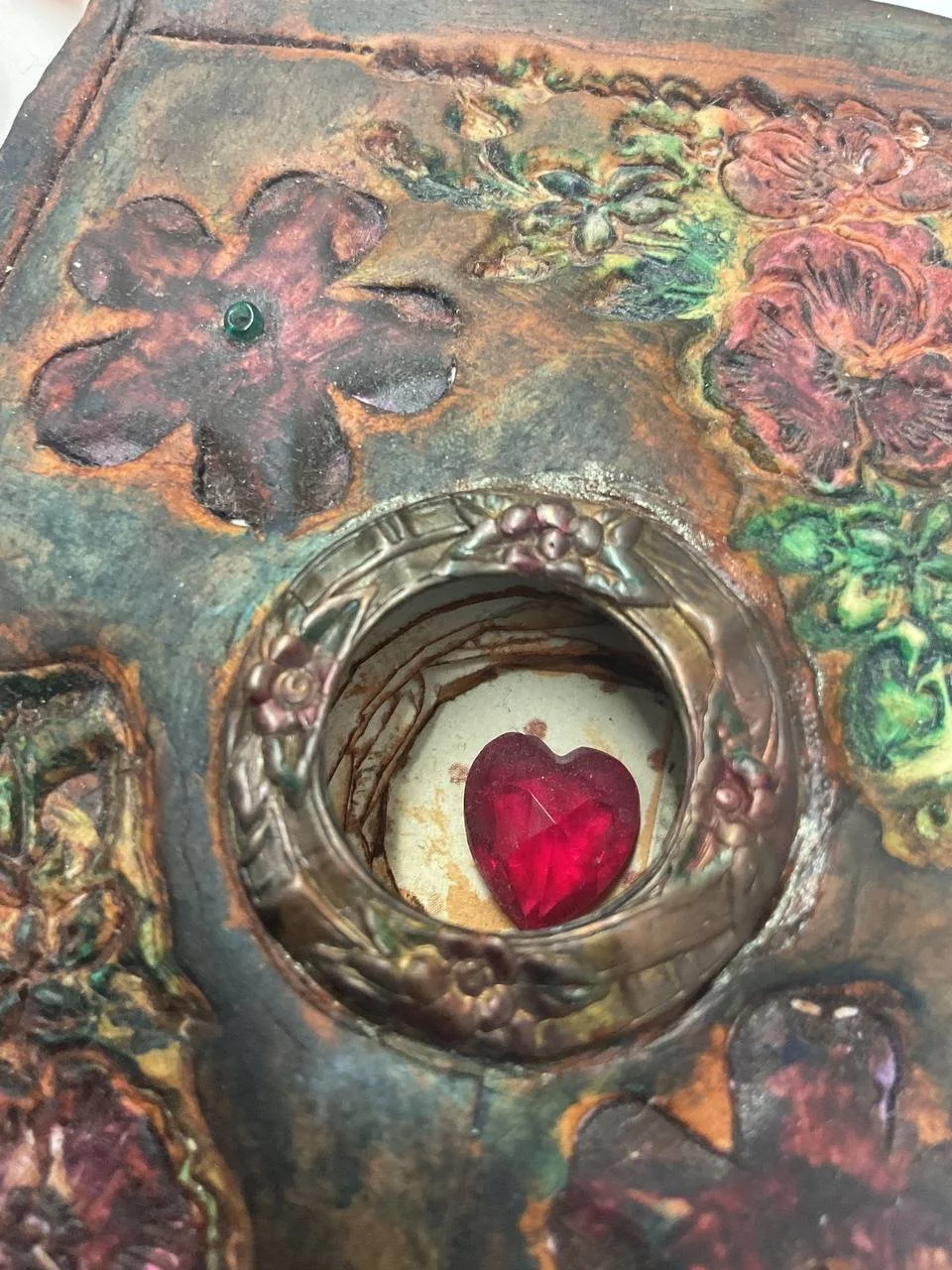
Handmade books: how they can look after assembling and decorating
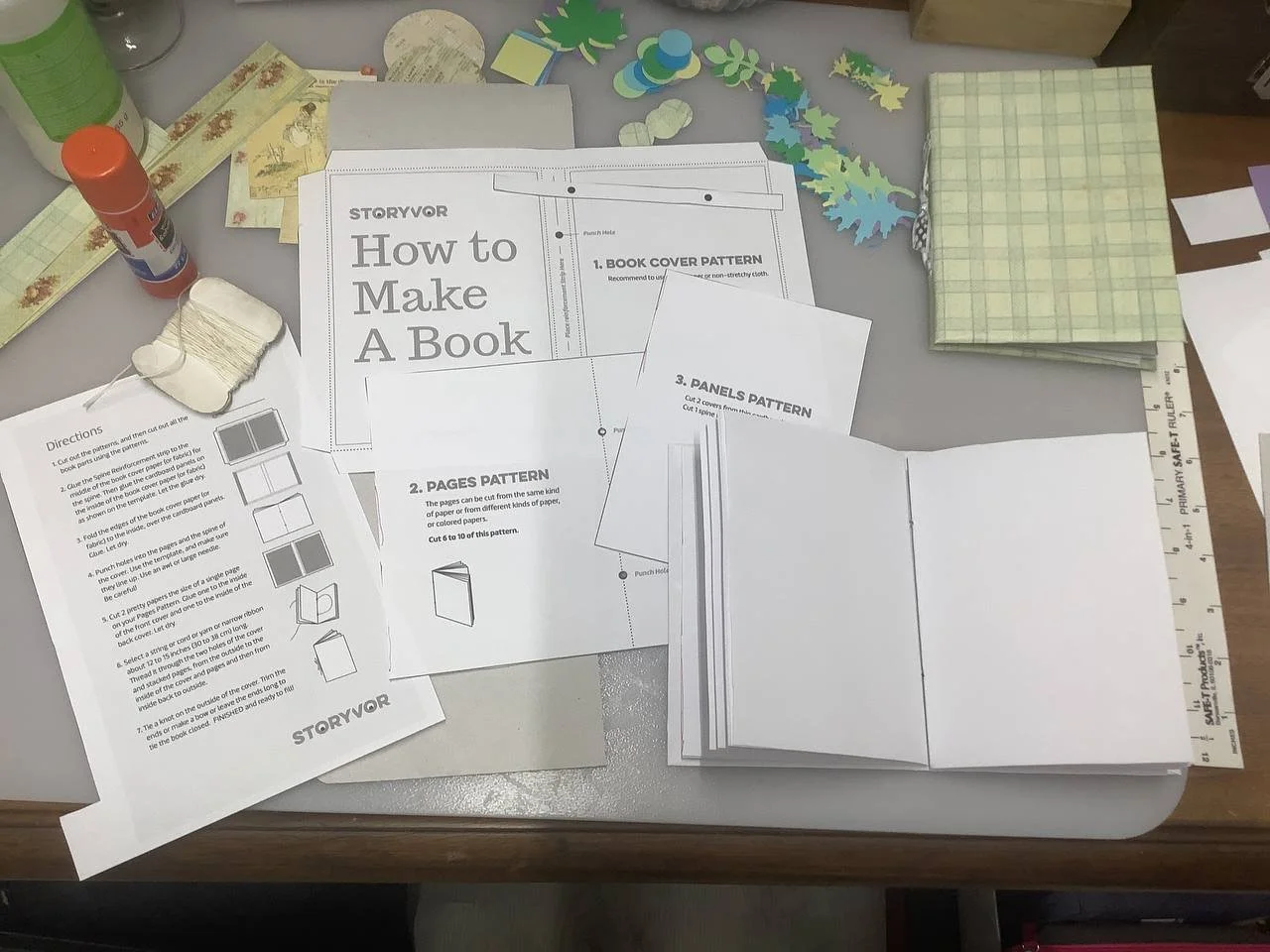
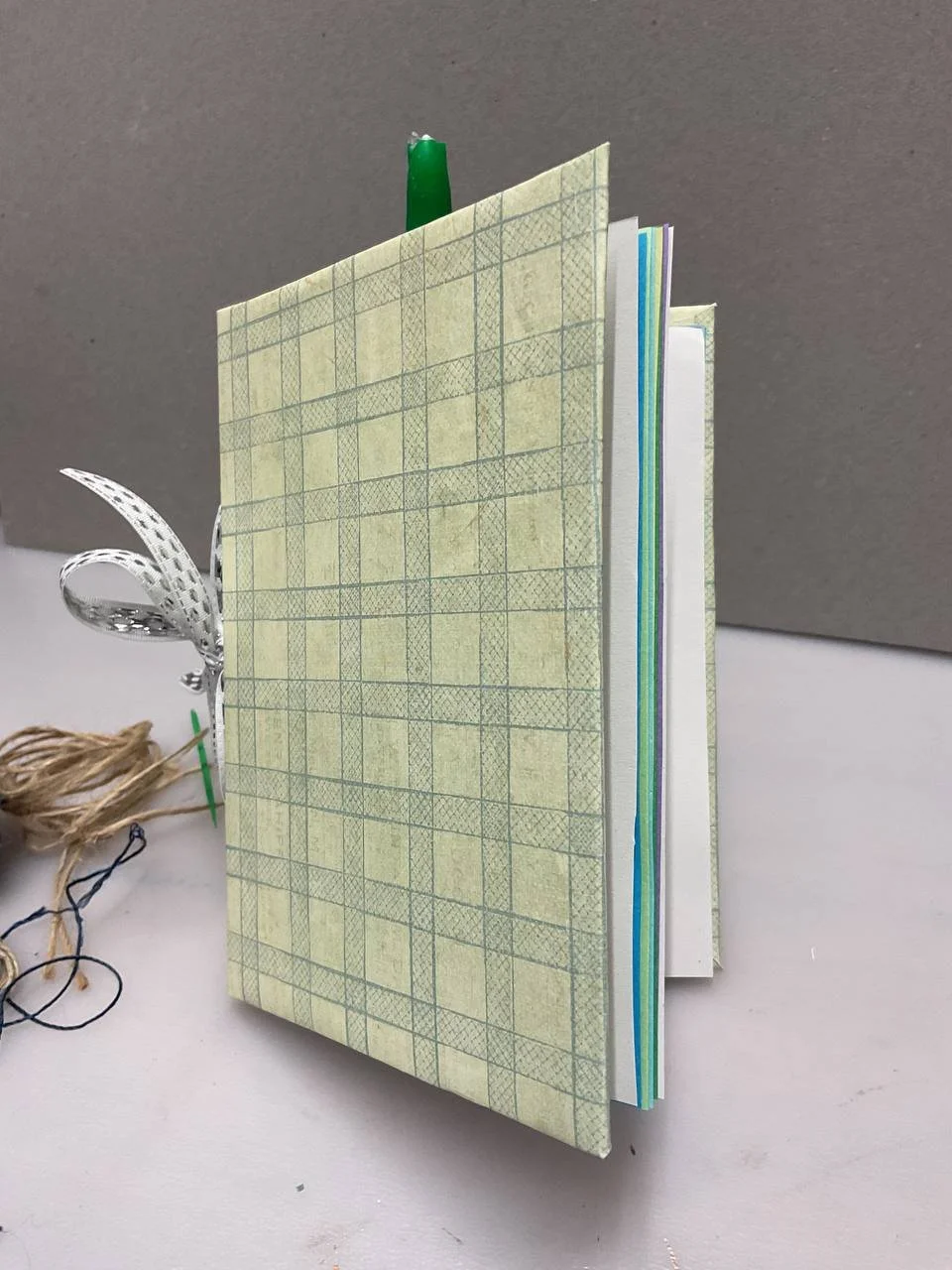
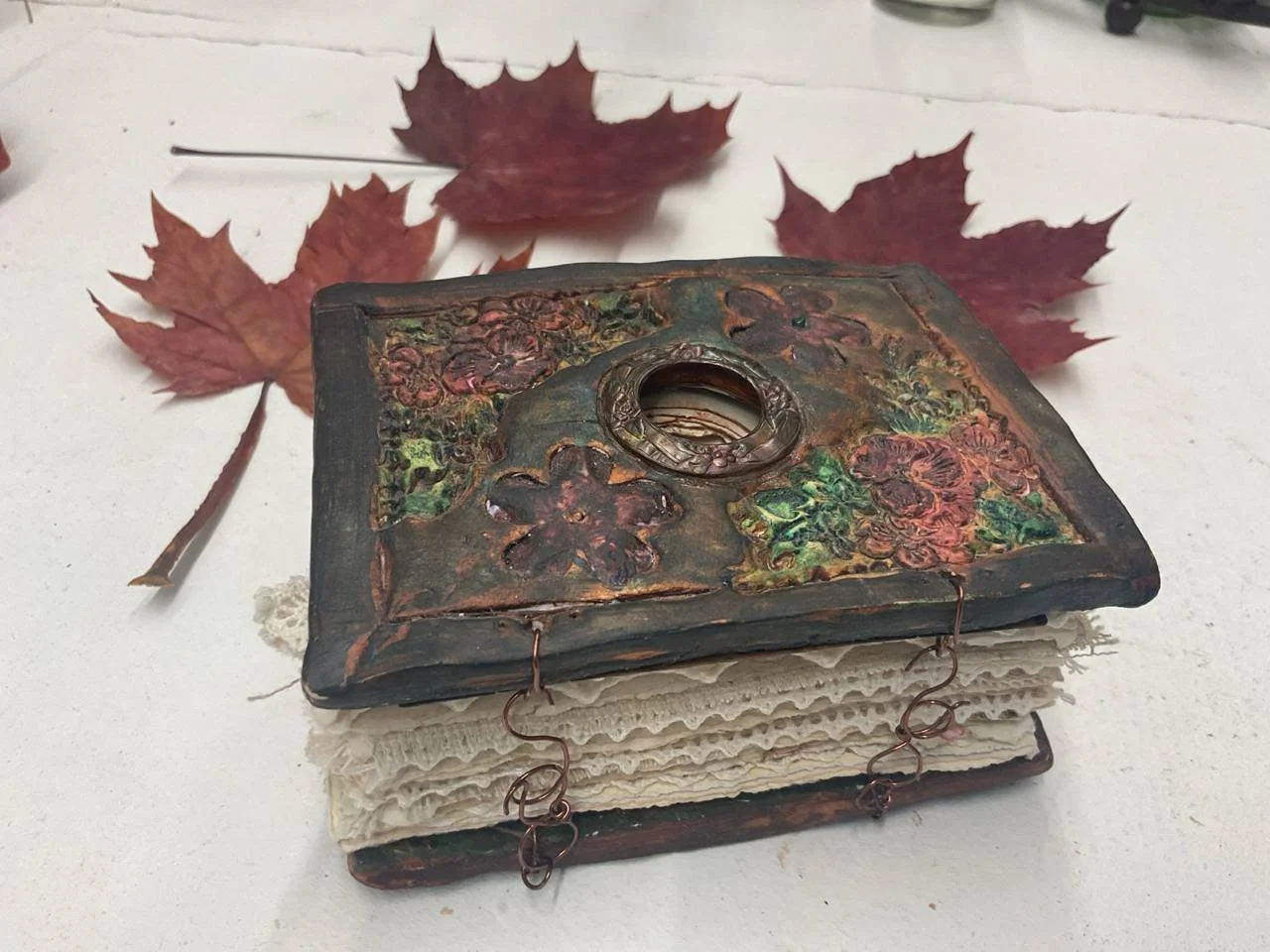
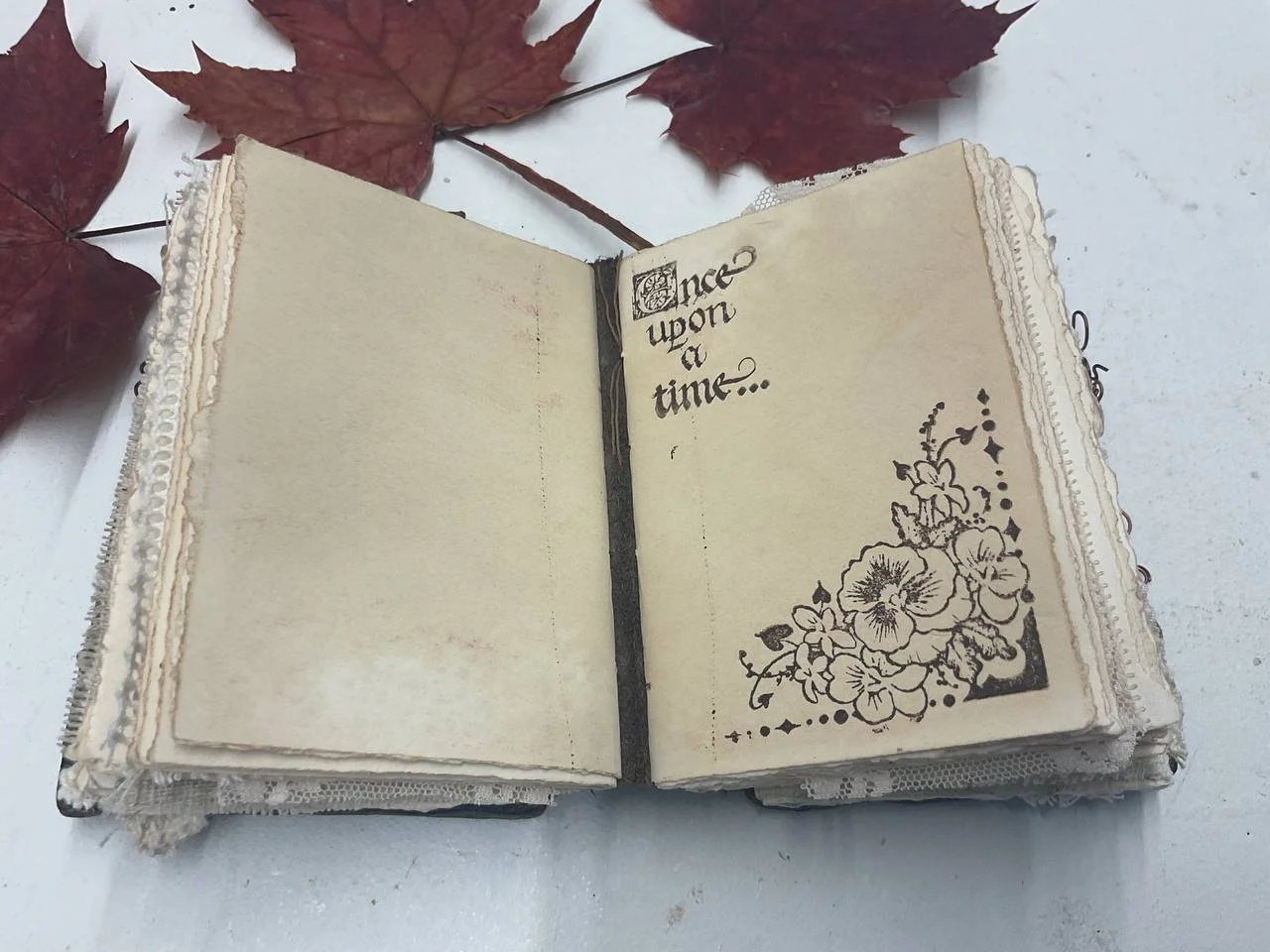
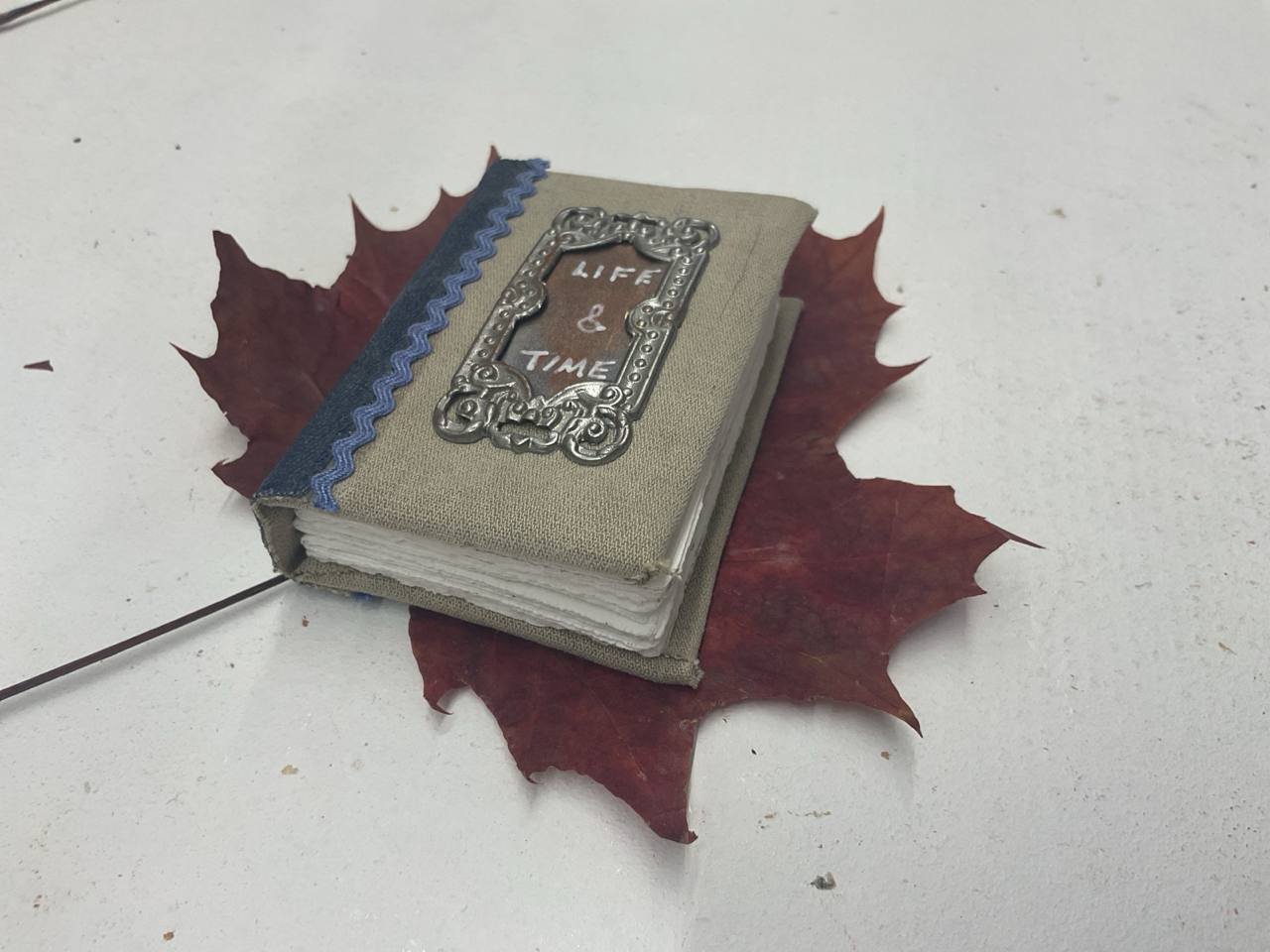
Download your printable bookmaking guide here!
Print out our free, handy crafting guide, cut out the castle and characters, color them in, and use them at home or in the classroom. More details on the research-based benefits of reading can be found here.
How to use STORYVOR’s printable bookmaking craft
Pair with books about books, writers, and diaries
This craft makes a great companion activity to stories about libraries, writers, and the making of books. Build it during a read-aloud or assigned reading. How This Book Was Made and The Fantastic Flying Books of Mr. Morris Lessmore work for the youngest makers, Dear Mr. Henshaw and Harriet the Spy for readers a little further along, and Inkheart (whose hero’s father is a bookbinder) or The Neverending Story for readers ready for more.
Craft during read-aloud
The book comes together in short stages with drying time in between, which makes it easy to spread over several story times or classroom sessions. Children can cut out the cover, panels, and pages in one session, glue the cover in the next, and bind the book in the last. Keeping hands busy during read-aloud time can help with focus.
Decorating and designing
Every part of the book can be made the child’s own. The cover can be heavy paper or fabric, the 6 to 10 pages can be white, colored, or a mix of different papers, and the two decorative sheets glued inside the covers are a chance to draw patterns, maps, or a favorite scene. Feel free to experiment with paper textures, stencils, stamps, paint, bookmarks, and more.
Writing and storytelling
Once the book is bound, it is ready to fill. Ask children to retell a story they have just heard, to write and illustrate one of their own, to fill it with favorite quotes, drawings, stickers, or clippings, or to keep it as a reading journal for the book you are sharing. Seeing their words inside a real, bound book they made themselves is a strong motivation to write, and it helps children think of themselves as creators and organizers of information and knowledge.
Tip: Use heavy paper or a non-stretchy fabric for the cover and thin cardboard (a cereal box is perfect) for the two cover panels. The holes are punched with an awl or a large needle, so an adult should do this step for younger children. For the binding, cut a piece of string, yarn, or narrow ribbon 30 to 38 cm long, and leave the ends long if you would like to tie the book closed.
Note: If you’d like to collaborate with us or get your own co-branded materials for encouraging literacy at your school, organization, or institution, reach out! We’re happy to work with you to inspire reading in your community, always free of charge, so don’t hesitate to get in touch.
Sarah Silverkey
Contributing editor
Sarah is an educator, writer, and artist with over 40 years of primary and secondary school teaching experience in the United States and in Switzerland. She’s a co-founder of the Homeschool Association Switzerland, and a fervent literacy advocate, believing that all good things (or at least, very many of them) come from an early exposure to books and stories.

Books are magical things, and so it makes sense that the process of making them can seem mysterious and complicated. But the truth is, anyone can make a book. Not with AI, not digitally, but with your own skills and filled with your own expression. Here’s how.