
A History of Mobile Libraries and Why They Matter Today
From horse-drawn carts to modern bookmobiles, a look at how libraries on the move shape readers and communities, and keep stories accessible.
30 March, 2026 ● Written by Stefan Bachmann
Illustration: Naila Conita for Unsplash+
Stories have always traveled. In medieval cultures, Bards moved from village to village, sharing history, news, and frightening folktales. Even earlier, in Ancient Greece “Aoidos” (singers) and “Rhapsodes” ("Stitchers of songs"), told and retold the epic poems of old, bringing their country’s stories into remote areas. In West Africa, men and women called Griots or “Jali” served as traveling troubadours, custodians and living archives of local history, stories, birth and death dates.
With the dawn of books and printing, knowledge began to settle and centralize. By the 19th century, public libraries were being built in larger towns. Books became the pastime of the middle class, accessibility grew, and the consumption of stories became less communal and somewhat more of an individual pursuit. And yet, while cities and especially certain social classes began to enjoy easy access to books and information, they were not available to everyone. A gap appeared in information flow. Bards no longer traveled village to village, sharing news and stories. And yet neither did libraries. Literacy rates were increasing sharply, reading habits as well, but accessibility could not quite keep stride.
Cue the birth of mobile libraries, libraries that brought stories and information to people regardless of geographic and social constraints. While today they’re sometimes seen as a novelty, a fun extra, like an ice cream truck, these roaming libraries serve a vital and necessary purpose: In rural areas, difficult terrain, and places with no funding for public spaces, mobile libraries make knowledge available to everyone, transporting educational materials, stories, and news directly to the communities that need them most and increasing literacy and equitable access to knowledge in the most direct way possible.
Read on to discover the origins of mobile libraries, the many creative forms they’ve taken over the centuries, as well as ways to support mobile libraries in action today, from books transported on donkeys in Colombia, to book boats in Laos, slipping through the still waters to bring stories to remote communities.
A brief history of mobile libraries
Mobile libraries as we understand them today first began to appear in the 19th century. In England in 1858, the Warrington Perambulating Library was founded in Cheshire, England, in order to increase the reach of a local library. The moving library was funded by its community, who organized a bazaar to buy a horse and wagon and raised £250 (equivalent to £25,700 in 2021). The result was a smashing success. The number of books borrowed from the library increased from 3,000 a year to 12,000.
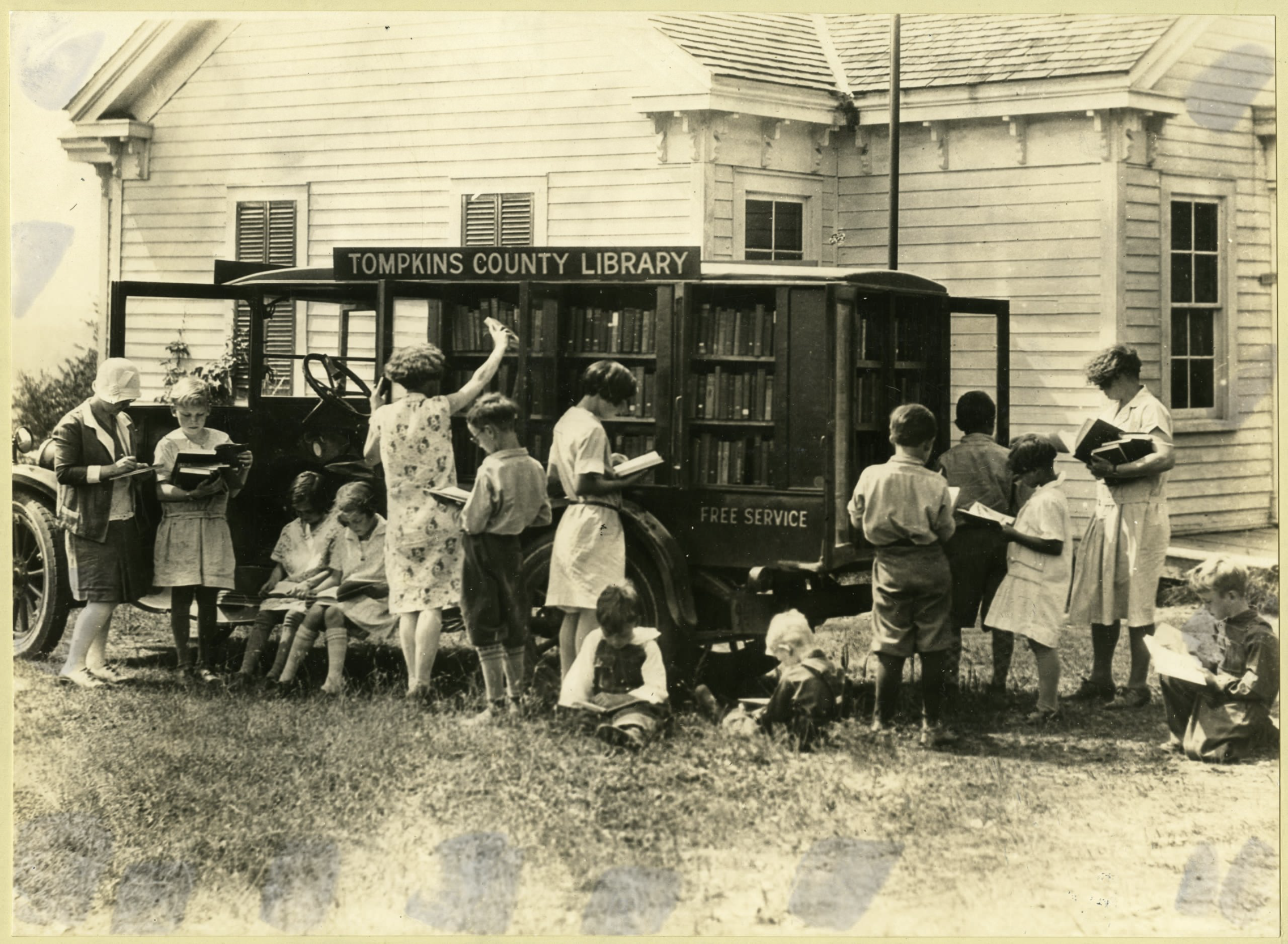
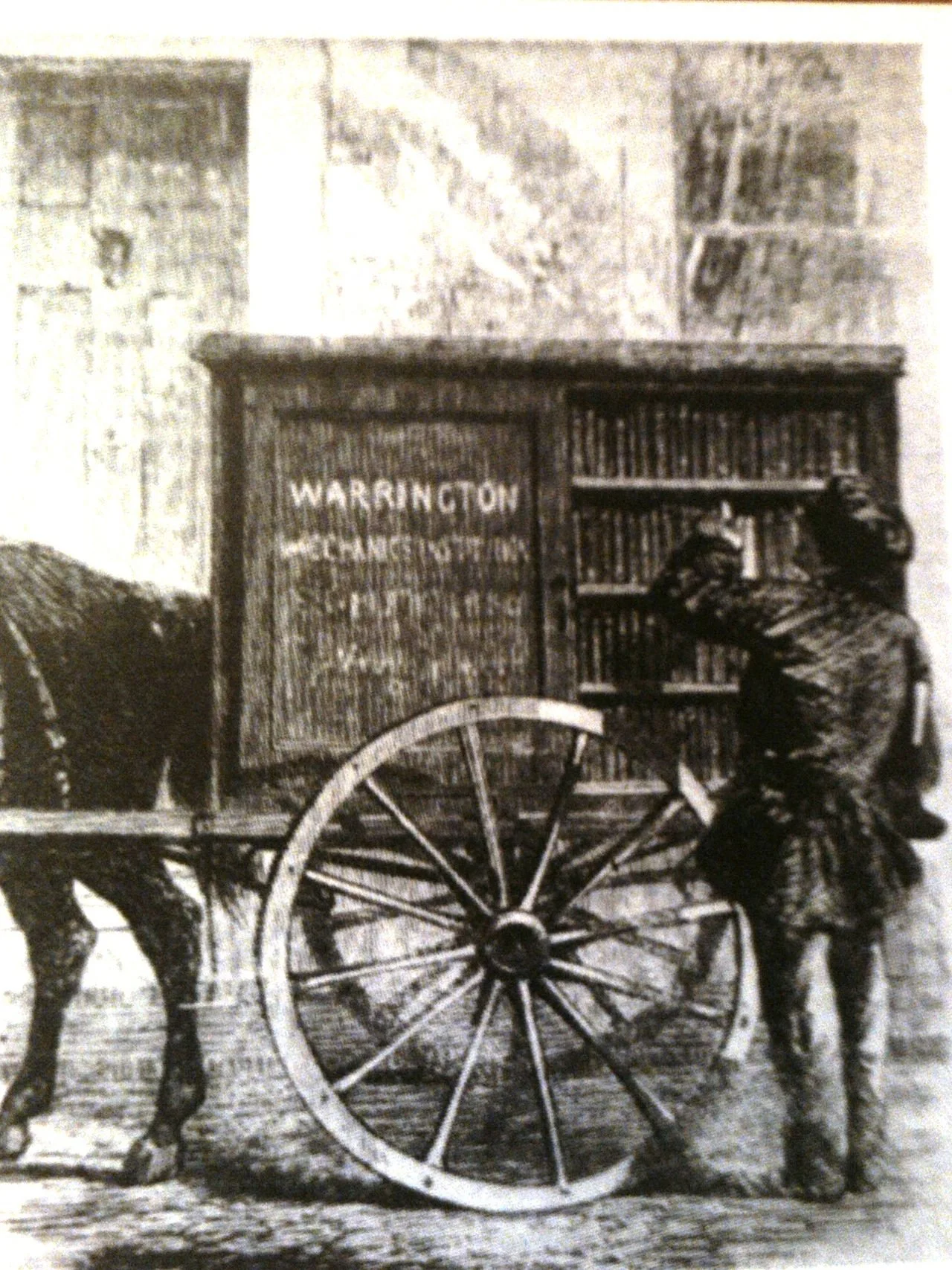
Left: A mobile library in New York State, United States. Right: The Warrington Perambulating Library in England.
Across the Atlantic in the United States, librarians soon adapted the idea, first with horse-drawn wagons in the early 1900s and later with motorized bookmobiles. One noted pioneer was Mary Lemist Titcomb, whose mobile service in Maryland brought books directly to rural residents beginning in 1905. “The book goes to the man,” she said, “not waiting for the man to come to the book.” She also made a concerted effort to reach young readers, and expand her library’s children’s section.
By the mid-20th century, purpose-built bookmobiles — customized trucks or buses outfitted with shelves and reading materials — had become a staple of library systems across the United States and abroad.
What is a mobile library today?
In the United States, mobile libraries remain an integral part of many libraries’ outreach programs to this day. What began as simple traveling collections of books has evolved into fully equipped community hubs on wheels. Today, many bookmobiles offer Wi-Fi, tablets, digital catalogs, newspapers, and even access to job applications and government services.
Mobile libraries in other countries often take more unexpected forms, from bicycle-borne collections to camel libraries and even boats. One example is the Epos library boat in Norway, which served remote fjord communities before ceasing operations in 2020 due to funding cuts. In Southeast Asia, library boats continue to operate along rivers in countries like Laos and Cambodia, bringing books and educational materials to isolated villages.
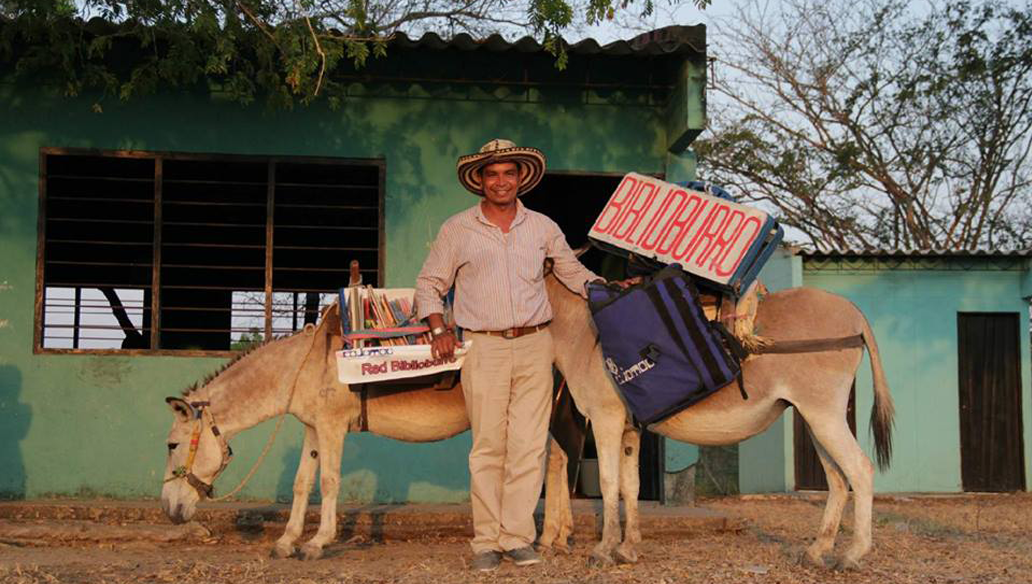
Photo credit: “Luis Soriano con Alfa y Beta” ©Biblioburro Foundation
Types of mobile libraries around the world
Around the world, communities have adapted mobile libraries to fit local landscapes and cultures:
Bookmobiles and vans: Standard in many countries, these vehicles are stocked with books for children and adults alike and visit neighborhoods, schools, and community centers on regular schedules.
Animal-led libraries: In rural regions where roads are rough or sparse, readers have come up with inventive solutions. In Colombia, the Biblioburro uses donkeys to carry books to remote villages; in Kenya and Pakistan, camel caravans serve nomadic communities; and elephants once ferried books and even computers to remote hill-tribe villages in Thailand.
Book boats: In parts of Norway, floating libraries carry thousands of books to isolated fjord communities, often providing cultural events in addition to lending literature. In Southeast Asia, these book libraries and riverboats are also popular.
Bikes and unusual vehicles: From bicycles equipped with book racks to repurposed service trucks and community “book boxes,” innovative mobile services are reaching readers in urban markets, parks, laundromats, and markets.
Countless mobile libraries also serve as small design wonders, utilizing clever sustainability practices, such as the BiebBus in the Netherlands made of shipping containers, the Garbage Truck Library in Turkey, where sanitation workers created a library from discarded books found during their rounds, or the “Beetle Library”, made from a retired bike-share bicycle.
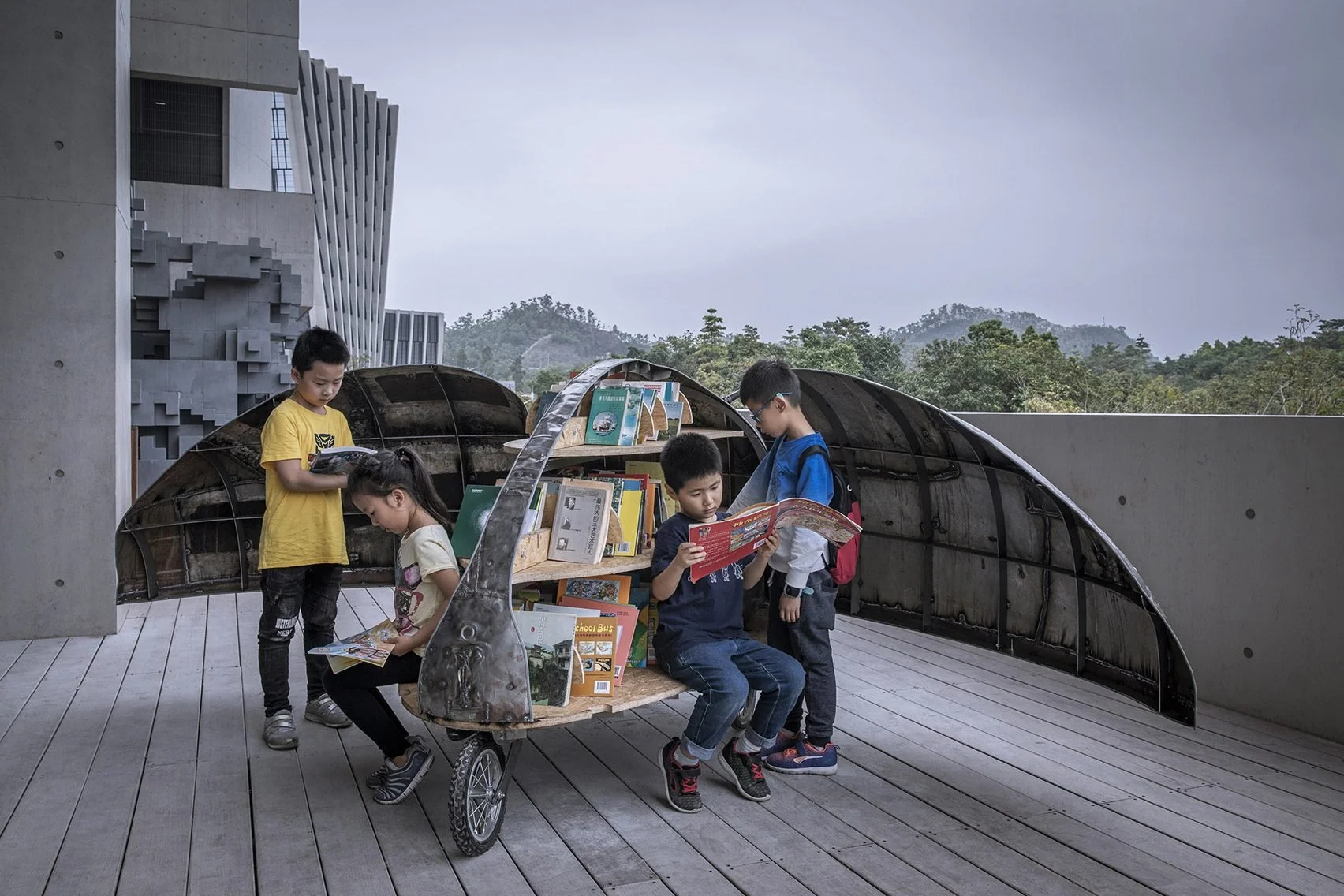
Source: Mobile “Beetle Library” — Dezeen
Why mobile libraries matter
Despite the rise of digital books and online learning, mobile libraries remain critical for several reasons:
Equity of access:
Not everyone has reliable internet, transportation, or a local library. Mobile libraries ensure books reach children and adults in underserved areas.
Community connection:
Mobile services often function as gathering spaces, hosting story times, workshops, and educational events that strengthen community bonds.
Flexible and responsive:
Mobile libraries can adapt to local needs, stocking materials based on community interests or seasonal topics, visiting places where people already live, work, and play.
Championing lifelong learning:
By meeting readers where they are, physically and culturally, mobile libraries help encourage a lifelong love of reading.
How to support mobile libraries
Today, as library funding often faces cuts and remote communities remain drastically underserved, mobile libraries continue to evolve. It’s becoming more necessary than ever that books and reading material be visible, celebrated, and accessible to all. If this is a topic that is close to your heart, we’d love to encourage you to investigate the options in your own community, and find ways to support.
There are many, many more worthy initiatives around the globe, helping books, reading, and knowledge reach everyone. Many of them are underfunded (or not funded at all and run mostly on sporadic donations and goodwill). Here are four to get you started:
Biblioburro — Chile
A beloved initiative in rural Colombia where teacher Luis Soriano delivers books by donkey to children in remote villages.

Bibliothèques Sans Frontières — International
Bibliothèques Sans Frontières works to expand access to knowledge in crisis zones through mobile libraries and portable “Ideas Box” units, bringing books, internet, and educational tools to displaced communities worldwide.
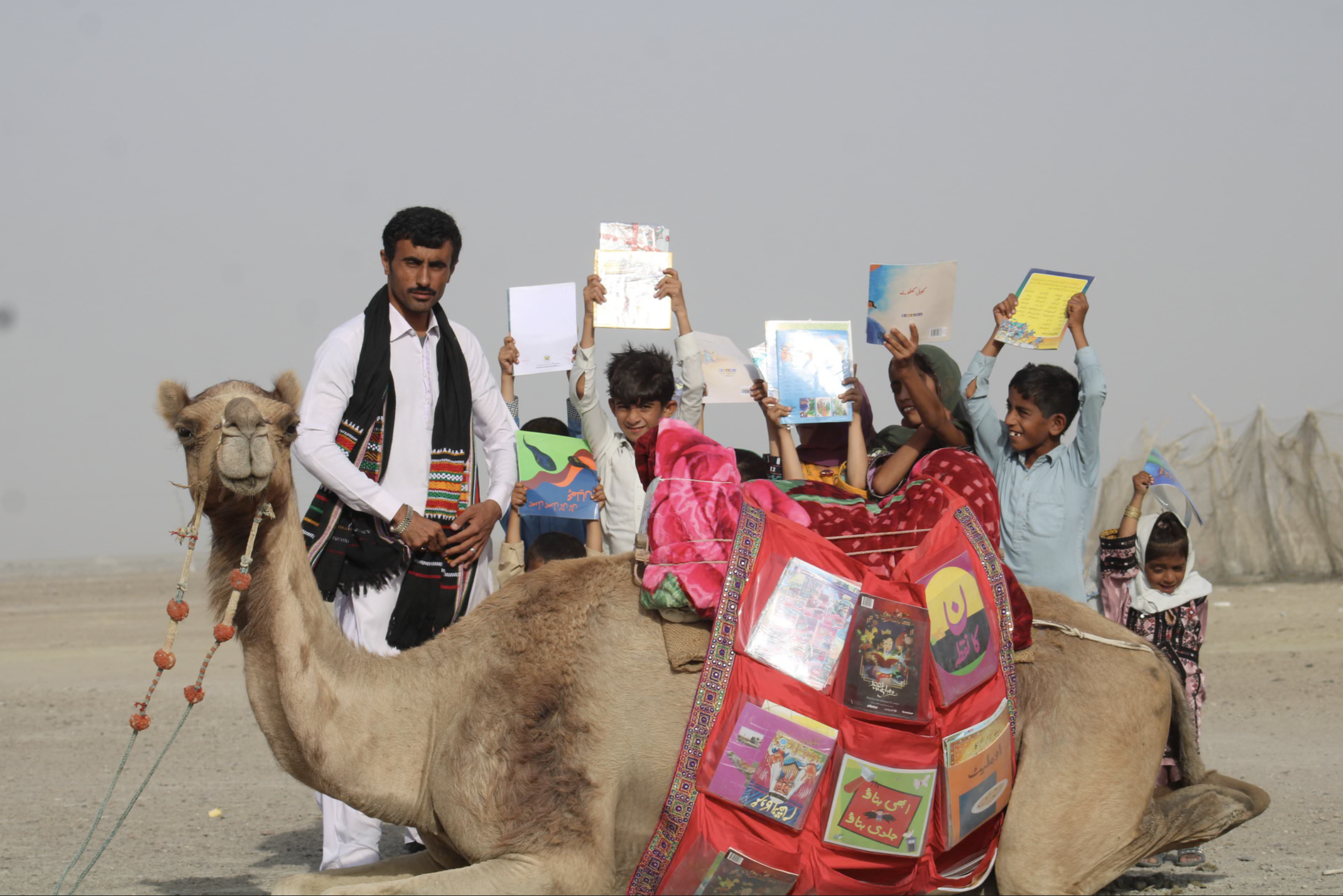
Camel Library Service — Pakistan
A mobile library service in Pakistan uses camels to deliver books to remote villages with little or no access to schools or libraries.
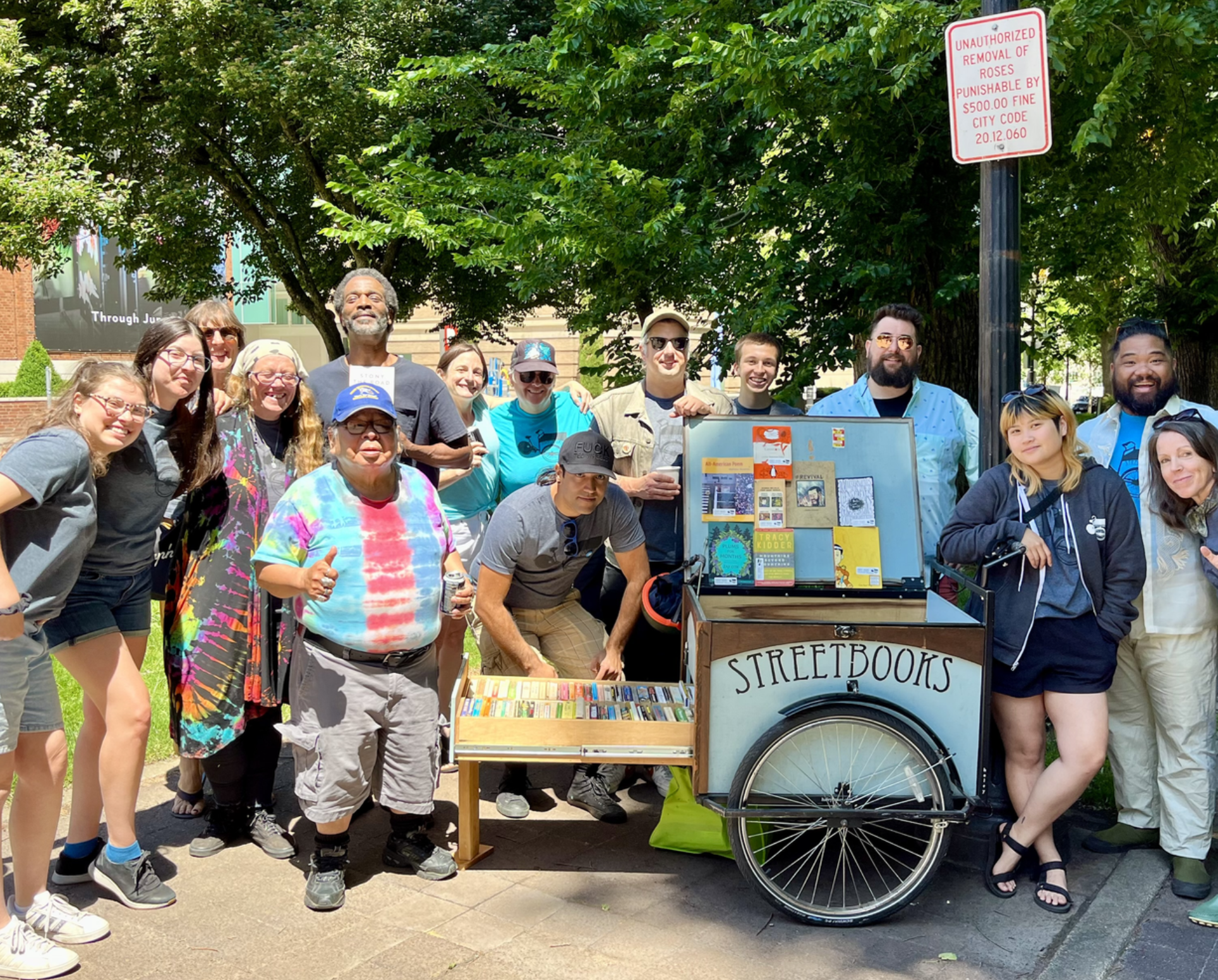
Street Books — United States
A bicycle-powered mobile library in Portland that serves people experiencing homelessness.

Stefan Bachmann
Editorial Director
Stefan Bachmann has worked widely in education, cultural programming, and literacy advocacy for over fifteen years. He is an internationally bestselling author of children’s books, co-founder of Foundations in Literacy, co-president of AUTILLUS, the Swiss Association of Children’s Authors and Illustrators, as well as a member of various advisory boards and committees. He studied composition and theory at the Zürich University of Arts.










Sarah Y.'s illustrated, printable play-set turns a few sheets of paper into a castle, a river, a dragon, and a story. Use it in class for crafting time, storytime, and world-building.