
6 Tips for Organizing a Successful Author Visit
When authors visit schools and libraries, it can spark years of reading, writing, and enthusiasm in students. From first contact to event day, here’s how to make sure your literacy event goes off without a hitch.
16 March, 2026 ● Written by Stefan Bachmann
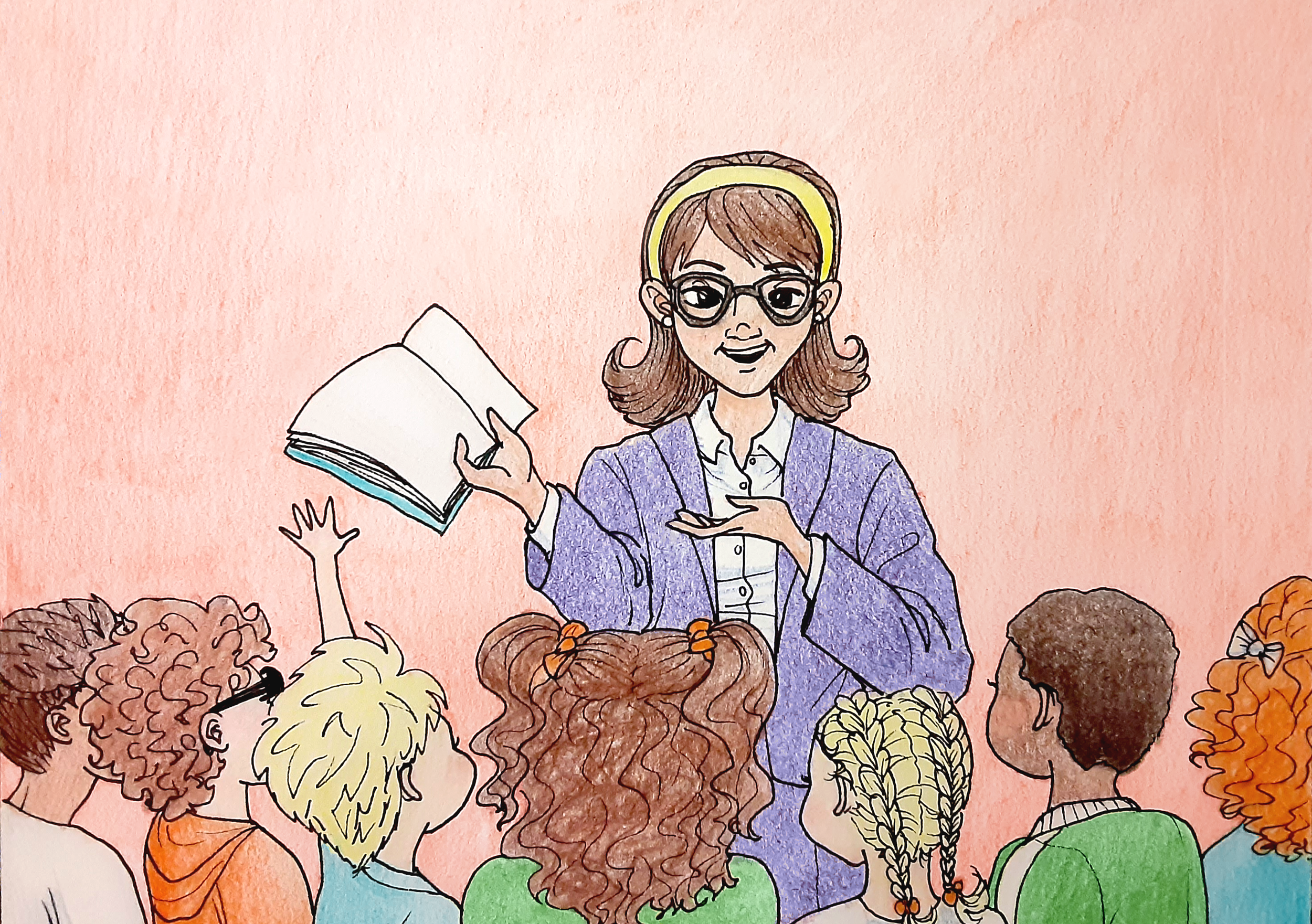
Illustration by Sarah Y. for STORYVOR
When I first became an author, hurrying anxiously to my first author event in a high school in Colorado, I really only had one question: Why do authors even do this? Why do we — often introverted, fearful creatures — get thrown out in front of crowds to perform our work? Why are we sent to schools, auditoriums, and bookstores to read stories to people who could just read it themselves?
Now, a good fifteen years later, the reasons are abundantly clear. When the atmosphere is right, both the author and the school are well-prepared, and the stars align, author visits make books, reading, writing, and storytelling feel accessible to hundreds of students at once. They can inspire, encourage, and delight in ways few other bookish activities can.
Over the course of many, many school visits, I’ve had the privilege of seeing firsthand the way these visits encourage literacy. I’ve seen entire schools mobilize around a visiting author, the halls ringing with talk of plot points and twists. I’ve seen audiences in bookish costumes clamoring and screaming as if at a pop concert. I’ve seen young writers getting extra excited to dive into their own work and hone their writing and communication skills. I’ve even seen emails from readers years or decades after an event, remembering how one brief hour helped them on their reading, writing, or artistic paths.
For me, the most striking thing about an author visit is that, without ever really saying it, it tells young people: “A real person wrote this story. They expressed their feelings, thoughts, and ideas in a way that got people to listen and understand. And you can, too.”
That said, not all author visits are created equal. The perfect, literacy-celebrating day takes some organizational acumen and build-up, a great deal of enthusiasm from all involved, and a bit of luck. If you're considering inviting an author to your school or library, here are six easy tips — as well as a checklist at the end — to help you plan a successful event.
1. Choose the book and the author
Being a good writer is a very different skill-set from being an engaging performer of said writing. Finding an author who can do both — write an engaging story and grip a classroom in a live setting — does wonders toward inspiring a love of reading. But it’s not always obvious how to go about choosing.
Geography can help narrow things down a lot. Where does the author live? If you’re in a small country like Switzerland, anyone can reach any point within a few hours. In countries like the United States, this becomes much more of a challenge.
If geography is an issue, first check for local and regional authors. Not all authors live in big cities, and you may discover some truly great ones live close by.
If geography is not an issue, start by identifying books with content that aligns with your students' interests and reading levels. Consider the themes and genres that resonate with your school community. (Check out our article on choosing the perfect classroom read here.)
Once you’ve gotten a shortlist of books, see which authors have experience with school visits and performances, or whose background and history might spark interest in your school.
Note that newer authors are often more open to readings, and can still have plenty of experience. Many authors have a background in teaching, corporate presentations, or other sorts of public speaking, even if they’re new to publishing.
Tip: Online book events can save on travel time and costs, and can connect schools to authors and storytellers from around the world. If you don’t find a good match for your school close by, look into authors around the world.
2. Plan ahead and communicate early
Authors often have busy schedules. Many authors also have a day job alongside their writing, or multiple day jobs, so it's crucial to reach out months in advance. Too early is almost never a problem. Especially if you’re aiming to have an author visit at a particular point in the school year or for a particular event, reaching out early raises the odds of getting your first choice.
How to reach out:
Option 1: Find the chosen book’s publisher and reach out to their publicity department, where someone will usually be very ready to help put you in touch with the right people.
Option 2: Reach out to the author’s literary agency, if you can find it online.
Option 3: Go to the author’s website and look for a contact form or email address.
Tip: I don’t recommend contacting authors over social media for professional events. Though this route can be successful, it’s also possible that these messages will get lost in the shuffle or not get read at all. Privacy settings might filter out messages by unknown senders, or the author might just not be that active on the platform you’ve chosen to reach out on. I can’t tell you the number of times I’ve checked messages on instagram after a month or two of being away, and found requests for visits hidden in the depths of some tab or other.
Email is usually best if you want to be sure your message will be seen. It also makes the request feel a bit more serious.
Illustration by Sarah Y. for STORYVOR
3. Be up-front about your budget
Most authors charge a fee for school visits. Check your country’s writers associations for guidelines on what is an acceptable and usual fee to pay a professional author. (For example, here is Switzerland’s guidelines for paying visiting authors and illustrators for events.)
While author fees may seem eye-watering at first glance, the economics become somewhat clearer when broken down. A 45 minute school visit might seem short and easy, but it includes countless hours of preparation, developing materials and presentations, expertise, practice, and often several hours of travel.
Authors appreciate it when you’re upfront about your budget early in the conversation. Ask what the author's fee includes (e.g., presentations, book signings, travel costs), and make sure to confirm all payment details in writing well before the event.
If you’re unsure how to finance your school visit, consider seeking PTA support or local grants to help fund the visit, or reach out to foundations for funding a larger, literacy-centric project for your school.
Tip: Try to avoid asking authors to do school visits for free. Art, writing, and storytelling are valuable and deserve to be compensated. That said, If you work for a non-profit or charity, some authors will be happy to perform for a good cause. It’s best to state this clearly up-front, and ask whether the author will consider donating the performance. Even — or especially — if an author is performing for free, it’s great to still offer to cover small out-of-pocket expenses for food, transportation etc.
4. Prepare students before the visit
While there are exceptions, I’ve found that the more familiar students are with the author's work, the more meaningful the visit will be for them. If possible, read the author's books in class, discuss its themes, and have students prepare questions. Consider integrating the author's work into lesson plans or creative projects. This builds anticipation and makes the event more interactive, and much more fun for everyone involved.
5. Organize the day thoughtfully
Depending on how much time you have, create a detailed schedule for the day. This could include multiple presentations, Q&A sessions, book signings, and possibly a lunch or meet-and-greet with a small group of student “Super Readers” or staff. Make sure the author has all necessary materials and knows where to go.
Assign a staff member to act as the author’s liaison for the day, meet them at the train station or parking lot, and guide them where they need to go. While most authors are pros and will handle whatever an event throws at them, it makes a huge difference when authors are made to feel welcome and supported during their visit.
6. Follow up and show appreciation
Authors are likely to be very grateful you reached out to them and will no doubt say so. They’ll also be very grateful when they feel you appreciated the visit as well. After the visit, send a thank you note. If you have time, have students write thank-you notes or share reflections on what they learned in a blog post or social media post. These gestures not only show appreciation but also help maintain a positive relationship with the author for future opportunities. Authors talk amongst themselves, a lot, and a great school with wonderful classes and teachers is sure to be noted.
Checklist for Planning a Successful Author Visit
Discuss the following with the visiting author or illustrator in advance:
☐ The date of the event
☐ The author’s fee and travel costs
☐ The age-range of your audience and the intended audience of the book
☐ How the author will get to the event (public transportation, arriving on their own, will the author be picked up, etc.)
☐ If the author is coming from far away: accommodations
☐ The duration of the event
☐ Who will moderate and/or interview during the event
☐ Which organizers can the author, or author’s family/community/publisher call in case of an emergency
☐ Expected number of listeners so author can prepare accordingly
☐ What sort of space can the author expect (auditorium, classroom, outdoors)
☐ Which materials and technical aids are required by the author (powerpoint, plugs, speaker, chair, lights etc.)
☐ How will the classes be prepared for the reading (Will they have read the book in class, or be introduced to biographical information or chapters in advance?)
☐ On the day of the event: a bottle of water for the author and maybe a snack, if the day includes multiple events. (Authors have to talk a lot!)
When all is said and done, a well-organized author visit begins months in advance. Educators build enthusiasm. Students are drawn into the process, their interests and needs considered at every step. When visiting authors also feel comfortable, welcome, and enthusiastic, it creates the best sort of feedback loop: students, teachers, and authors working together to celebrate reading, storytelling, communication, and books.
Organizing an event can be a daunting task, especially considering how overburdened many educators already are. But for educators and librarians who have the resources and support of their schools and communities, it can be a highlight of the school year, causing positive waves of action for many years to come.

Stefan Bachmann
Editorial Director
Stefan Bachmann has worked widely in education, cultural programming, and literacy advocacy for over fifteen years. He is an internationally bestselling author of children’s books, co-founder of Foundations in Literacy, co-president of AUTILLUS, the Swiss Association of Children’s Book Authors and Illustrators, as well as a member of various advisory boards and committees in Switzerland and abroad. He studied composition and theory at the Zürich University of Arts.






Sarah Y.'s illustrated, printable play-set turns a few sheets of paper into a castle, a river, a dragon, and a story. Use it in class for crafting time, storytime, and world-building.