
A library visit now and then is nice. A library visit every week becomes a habit, and habits are what make readers. Here are eight easy, fun, and mostly free ways to turn going to the library into a family event.
2 November, 2026 / Written by Sarah Silverkey
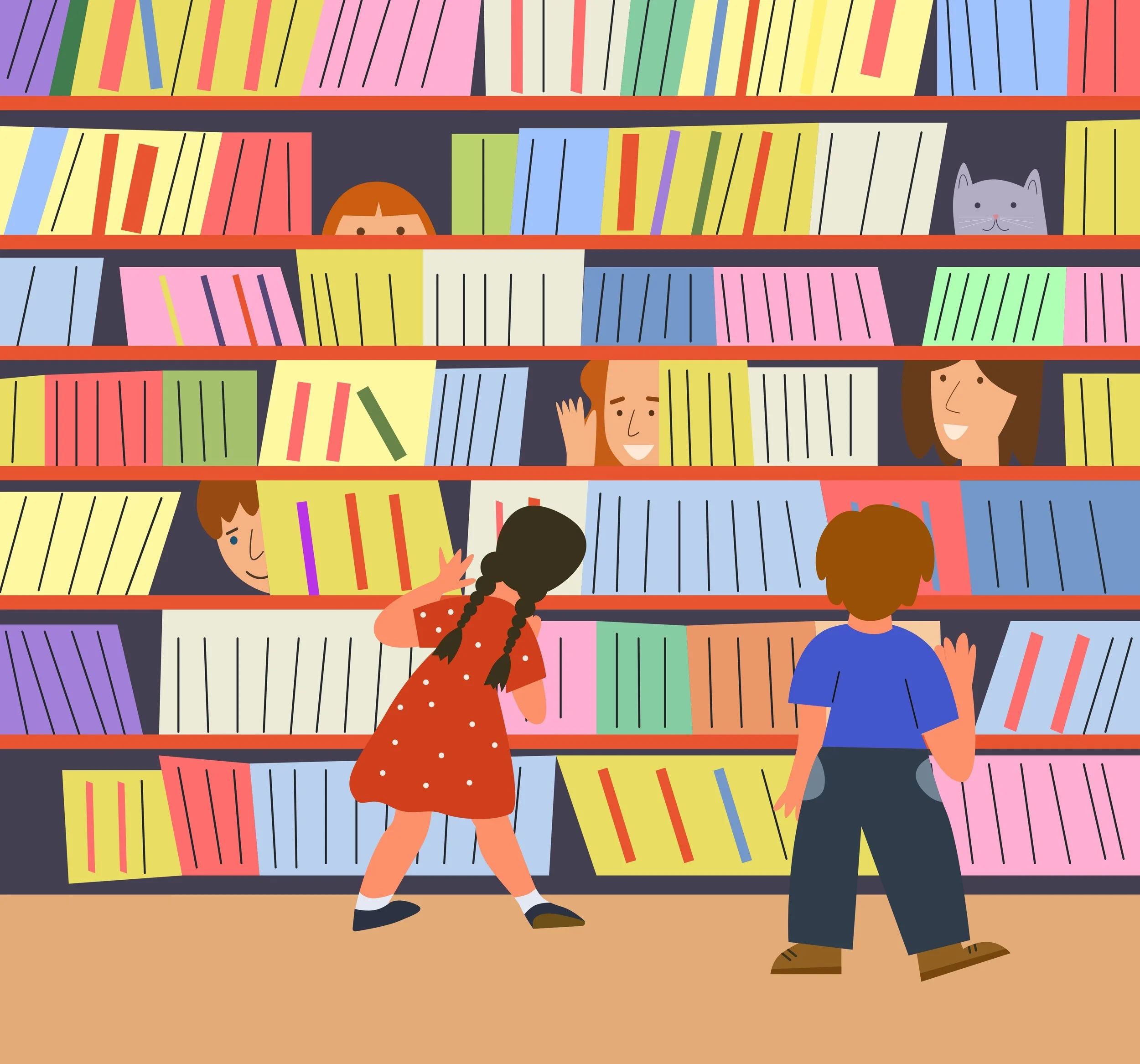
Illustration by Monika Lemeshonok for Unsplash+
Children who grow up to become readers rarely get there by accident. Somewhere along the way, books simply became part of the rhythm of their lives. It can happen at school, through the encouragement of a teacher, or the quiet pull of the school library. But research shows it most effectively happens at home, through parents reading their own books, reading to their children, and making books accessible in whatever way possible. One way to start building these literacy-boosting habits? Organize a weekly library trip and turn it into a little adventure. It costs nothing, allows for a fresh stack of stories each week, and every visit matters for the library, too. Here are eight ways to do it.
1. Find a time and stick to it
It’s hard to make time for things next to the necessities of school and life. Any parent understands this, and sometimes things will get in the way. So start by choosing a time that works for everyone, most of the time. Then make it happen for a month, make it fun using the tips below, and see how it goes. When the library is simply what your family does on a certain day, nobody is going to argue about it.
2. Get everyone a library card
Most libraries issue cards to children, too. Often it will be the first card with their name on it, which can feel both thrilling and like a responsibility (which, of course, it is!). Make getting it an event. If you can, give your child a small card holder, a lanyard, or even just an old wallet, so they can keep track of their card and have it ready to go when it's library time.
Bonus: Making sure everyone in your family has a library card helps your library, too. The more cardholders it has, the safer its funding.
3. A bag of their own
If the budget allows, gift each child a library tote that's only for library books. Let them decorate it, or search with them on Etsy or Redbubble for something that speaks to them and suits their style. A dedicated bag makes the trip feel official, and helps make the whole endeavor feel like an event.
4. Make it a game
Older children may just want to visit and peruse the shelves in peace. For younger children, make it a game and try “One for you, one for me.” Each child chooses his or her new book, and one for a parent or sibling. Bring children to the section you want to read and let them choose a book for you there. It's a gentle way to stretch everyone's reading, to model openness and curiosity, and for children to think about the sorts of books others might like, too.
5. Create moments of togetherness
Libraries are quiet places. There may not be a lot of talking going on during the visit itself. But try adding a little treat afterwards where you can chat and connect with your children. A hot chocolate, lunch at the same café, half an hour of reading one of their new books aloud to them in the park, or everyone simply reading their books quietly together at home. Pair the library with a moment of togetherness, and it becomes the best part of the week.
Bonus: Craft something book-related together! Bookmarks, for example, or an entire book! STORYVOR sees crafting and hands-on skills as a key element of literacy and curiosity-building, and we have free, easy guides for countless activities.
6. Keep a family reading log
A chart on the fridge and glittering stickers for each book finished turns reading into a collective activity. Be sure to avoid turning reading into a competition, and celebrate every win of every child. Watching the list grow is its own reward, and in a year, it's a lovely record of who your children were as readers.
Bonus: STORYVOR has free printable reading charts and tips just for this.
7. A home for library books
Keep a basket or shelf just for library books, and gather them there the night before to avoid late fees and to practice responsibility and deadline-keeping. It will help stave off frantic searches right before return time, and it may even encourage children to read each other’s books, which can be a great thing if the age levels are fairly close.
8. Let them run the visit
As children get older, hand over the reins: let them read and explore, encourage them to ask the librarian for recommendations, check the events calendar and ask them which events they would like to attend. A child who knows their way around the library is a child who will keep coming back, and who is more likely to recognize the library’s vital role in society as an adult. It’s a place for all people, regardless of background, budget, and education, to gather knowledge. There’s no time like the present for children to dive into their community’s hub for all things learning, books, and stories.

Sarah Silverkey
Contributing editor
Sarah is an educator, writer, and artist with over 40 years of primary and secondary school teaching experience in the United States and in Switzerland. She’s a co-founder of the Homeschool Association Switzerland, and a fervent literacy advocate, believing that all good things (or at least, very many of them) come from an early exposure to books and stories.








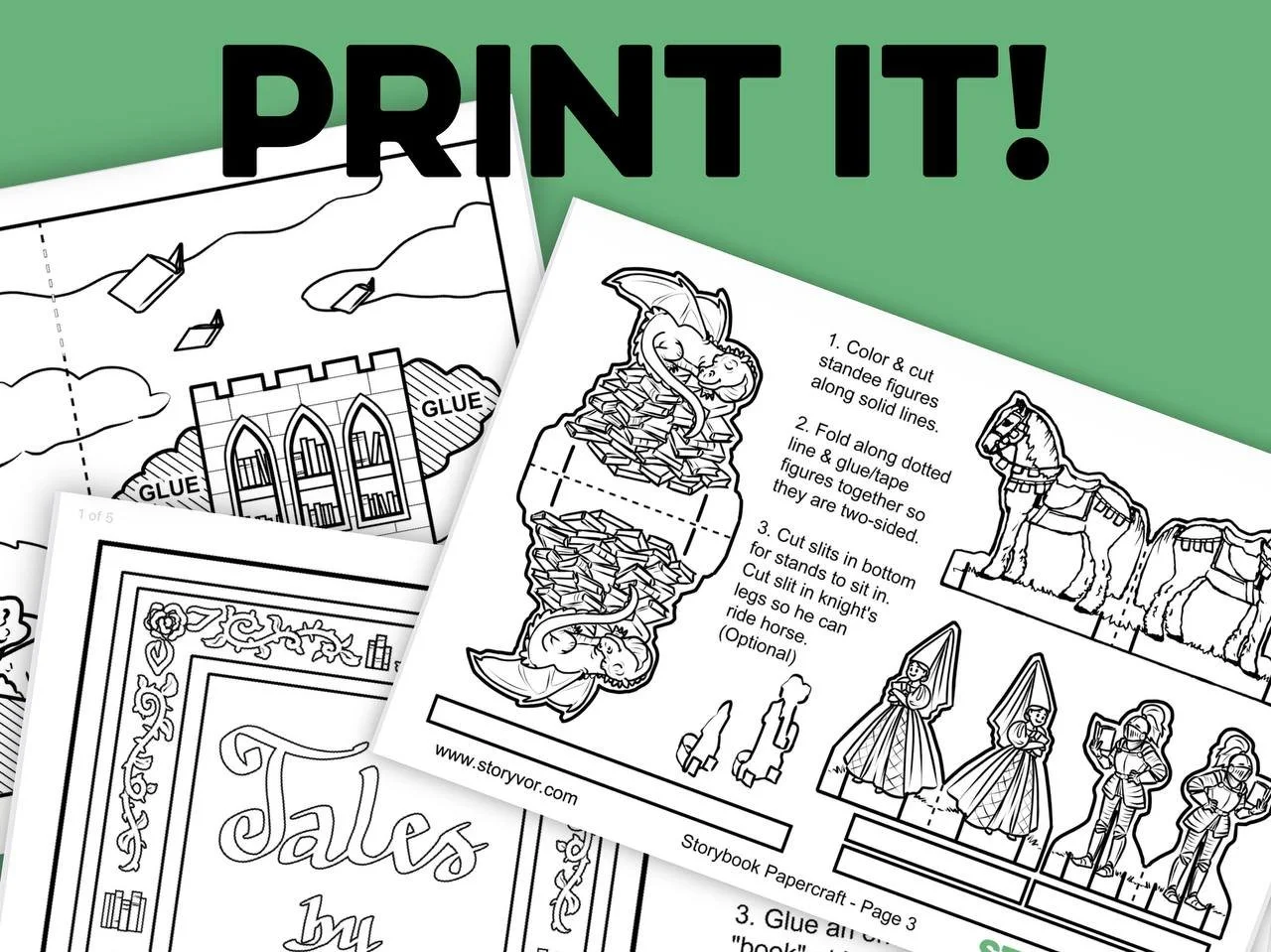
Books are magical things, and so it makes sense that the process of making them can seem mysterious and complicated. But the truth is, anyone can make a book. Not with AI, not digitally, but with your own skills and filled with your own expression. Here’s how.