
Educator Sarah Silverkey gathers the things librarians most wish their patrons knew, and shows how families and teachers can put them to use.
1 November, 2026 / Written by Sarah Silverkey
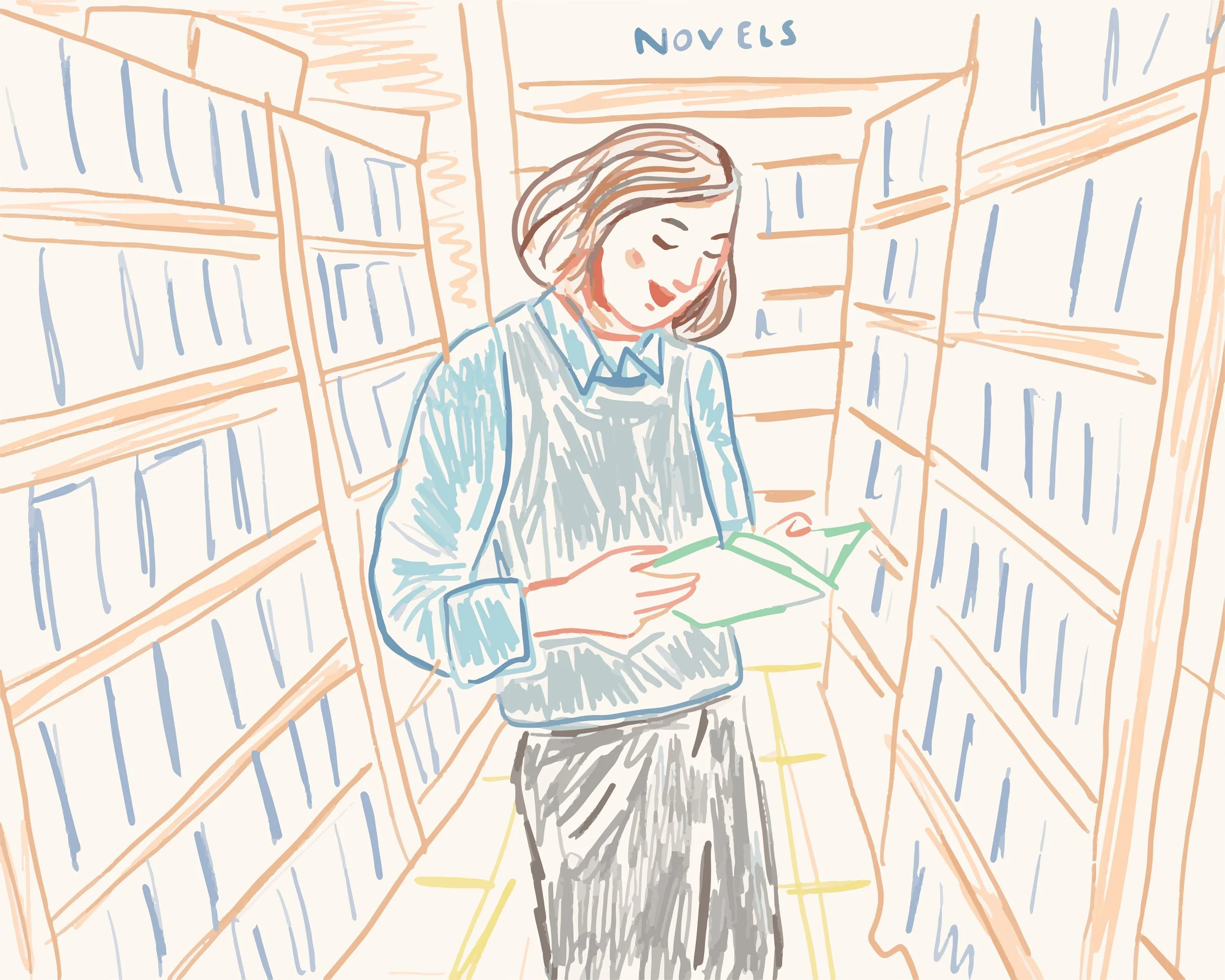
Illustration by Summerizze for Unsplash+
How do you use a library? That, of course, depends on what kind of library it is.
The little red box on your neighbor's lawn lets you take a book and leave a book. Very straightforward. The Baroque Abbey Library in St. Gallen, Switzerland, with cupids fluttering across the ceiling and a mummy in the back corner, asks you to put on felt slippers before you enter, and it absolutely will not let you take a book (or leave one). Not a problem, because you probably couldn’t read it: much of its collection is written in Latin or Old High German. And how to use the green container library in Antarctica from our “7 Stunning Libraries Around the World” article need not concern us, because most of us will never get there.
Then there is the library in your own town. It might be a couple of small rooms in a community center, or a grand building in a major city. Either way, its purpose is the same: to give everyone in the community access to books and resources, for enjoyment, for information and for study, regardless of that person’s money, status, or education level.
Most of us think we know what that library offers. Librarians would beg to differ. In a Pew Research Center survey, only about one in five Americans felt they knew all or most of what their public library provides, and librarians say they struggle to get the word out.
With that in mind, we researched and spoke to librarians in the United States and Switzerland about what they wish patrons knew about libraries. Here are the six points that kept coming up, with ideas for how families and teachers can put each one to use.
1. Your library card does more than you think
Physical books with paper pages are the heart of a library, and what most people come for. But librarians wish more people knew what else their card unlocks. While it depends on where your library is located, what its budget allows, and what is usual in your country, libraries often have some combination of the following along with their shelves of paper books:
E-books, audiobooks and digital magazines
Comic books, graphic novels, and picture books. For many young readers, these visual formats are the gateway to long-form reading. Often pricey at the store, they can be borrowed for free by voracious young readers.
Newspapers and magazines from around the world. Services like PressReader give you thousands of current titles in dozens of languages, and some libraries include archives of papers like Der Spiegel or the Süddeutsche Zeitung.
Old newspapers and research databases you would otherwise have to pay for, or that are often open only to universities, such as press archives and specialist databases.
Educational books and reference works online, from Brockhaus, Duden and Britannica to Munzinger's biographies and country profiles.
Study guides and exam preparation. Revision guides, practice exams and reading guides for set texts cost a small fortune at the bookshop, yet many public libraries have a whole section of them, often sorted by school subject and level, from primary school through university level. University textbooks are pricier still, but most university libraries will issue a card to members of the public, sometimes for a small fee. Textbook collections may be reserved for students, but not always.
Films and music. Many libraries offer free streaming through Filmfriend (feature films, documentaries and children's films), plus music services and classical collections such as the Naxos Music Library.
Learning platforms, from homework and exam practice for schoolchildren to language courses and online professional training.
Board games and video games, sometimes even consoles.
A "library of things" (in German, a Bibliothek der Dinge): drills and toolboxes, sewing machines, camping gear, telescopes and microscopes, instant cameras, record players that digitize your old vinyl . . . Some libraries even offer popcorn machines and kits for a children's birthday party.
Makerspaces, with 3D printers, robotics kits and other equipment to try out.
Culture passes in some cities, mostly in the US so far, giving card holders free entry to museums and exhibitions.
Not every library offers all of this, and the names of the services vary from place to place. The library's website, or a quick question at the desk, will tell you what yours has.
For families: let children pick a game or an audiobook along with their books. A borrowed audiobook can turn a long car ride into a shared story, and a culture pass or story hour can turn a rainy Sunday into an outing.
For teachers: newspaper archives and databases are a gift for research projects. Ask, too, whether your library offers teachers longer loan periods or classroom book bundles.
2. If it isn't on the shelf, librarians can probably still get it
Some libraries have large permanent collections and some have small ones. But librarians wish people knew that even the smallest have loan agreements with other libraries, so they can get you almost any book you might want. Many also welcome suggestions for new purchases, and they often act on them.
For families: if your child is devoted to an obscure series, or wants to read everything about one particular dinosaur, ask. The library can usually find it.
For teachers: ask early for the titles you need for a unit, or for multiple copies of a class reading. Loans between libraries take a little time, so plan ahead.
3. Asking is exactly what librarians are there for
The most underused resources in any library are the librarians themselves. Librarians are almost always highly trained, and many say patrons simply don't realize how much research help they can give. Finding the right book for the right reader is also what they do best. But they can help in many other ways as well. “There is no such thing as a silly question,” one librarian told us.
Many libraries also offer computers, printers and scanners, and some go further, with homework help for students, assistance with job applications, or language tutoring.
For families: tell the children's librarian what your child loves, or what they won't touch. A reluctant reader is often just a reader who hasn't found the right book yet.
For teachers: plan your next unit together with the librarian, rather than simply booking library time. Many will put together a box of books on your topic, or show your students how to research.
4. Ask before donating books, and ask whether they have books to give away
It feels generous to bring a box of old books to the library, and sometimes it is. But plenty of librarians we spoke to wish people knew that most donations can’t be used. Libraries often have strict standards and guidelines, shelf space is limited, and books that are worn, outdated, or already on the shelves end up costing staff time to sort and dispose of. A quick call ahead saves everyone the trip. Some libraries also keep a wish list of titles they would love to have, or accept donations earmarked for new purchases. If you’re looking to donate, that’s a good place to start.
Books also flow the other way. To make room for new titles, libraries regularly retire older ones, and these often end up in book sales, many run by Friends of the Library groups, or on a cart by the door for a small price or even for free. Taking those with you can be a wonderful way to build a home library cheaply, or to stock up a little free library in your neighborhood, and it helps out the library, too.
5. Every loan and every visit counts
This may be the thing librarians most wish people understood. Libraries justify their funding mostly through cold, hard numbers: cards issued, items borrowed, people attending storytime, book clubs, author readings, and workshops. Every book you check out, and every event you go to, helps make the case for the library's budget and its place in our society.
For families: get a card for every member of the family, if possible. If buying a book isn’t in the budget, check whether the library has it, and if it doesn’t, ask them if they’ll order it. And go to the events: well-attended programs are the ones that make it into reports and keep their funding.
For teachers: arrange a class visit, ask for a tour with a librarian if this is something your library offers, and make sure every student leaves with a library card, if possible. For some, it will be the first card of any kind with their name on it, and it can be an exciting doorway to reading and knowledge-gathering.
6. The library is what its community makes of it
Libraries reflect their communities, and librarians wish more people knew how much say they have. If you don’t see the kinds of books you want, ask for them. If you would like a certain kind of activity offered, suggest it, or offer to help. (Do ask your library what kind of help is actually useful.) If offerings that are important to you are being cut because of budget constraints, get involved at the community level, advocate for them, and write letters to lawmakers.
For families and teachers: join a Friends of the Library group if there is one. Speak up when library budgets are being discussed or when cuts are proposed, as they so often are. And when a librarian helps you, say so, both to them and to the people who decide the library's budget.
Libraries are for everybody. The more families and teachers use them and stand up for them, the better they become, and the better they can serve their communities.
Sarah Silverkey
Contributing editor
Sarah is an educator, writer, and artist with over 40 years of primary and secondary school teaching experience in the United States and in Switzerland. She’s a co-founder of the Homeschool Association Switzerland, and a fervent literacy advocate, believing that all good things (or at least, very many of them) come from an early exposure to books and stories.



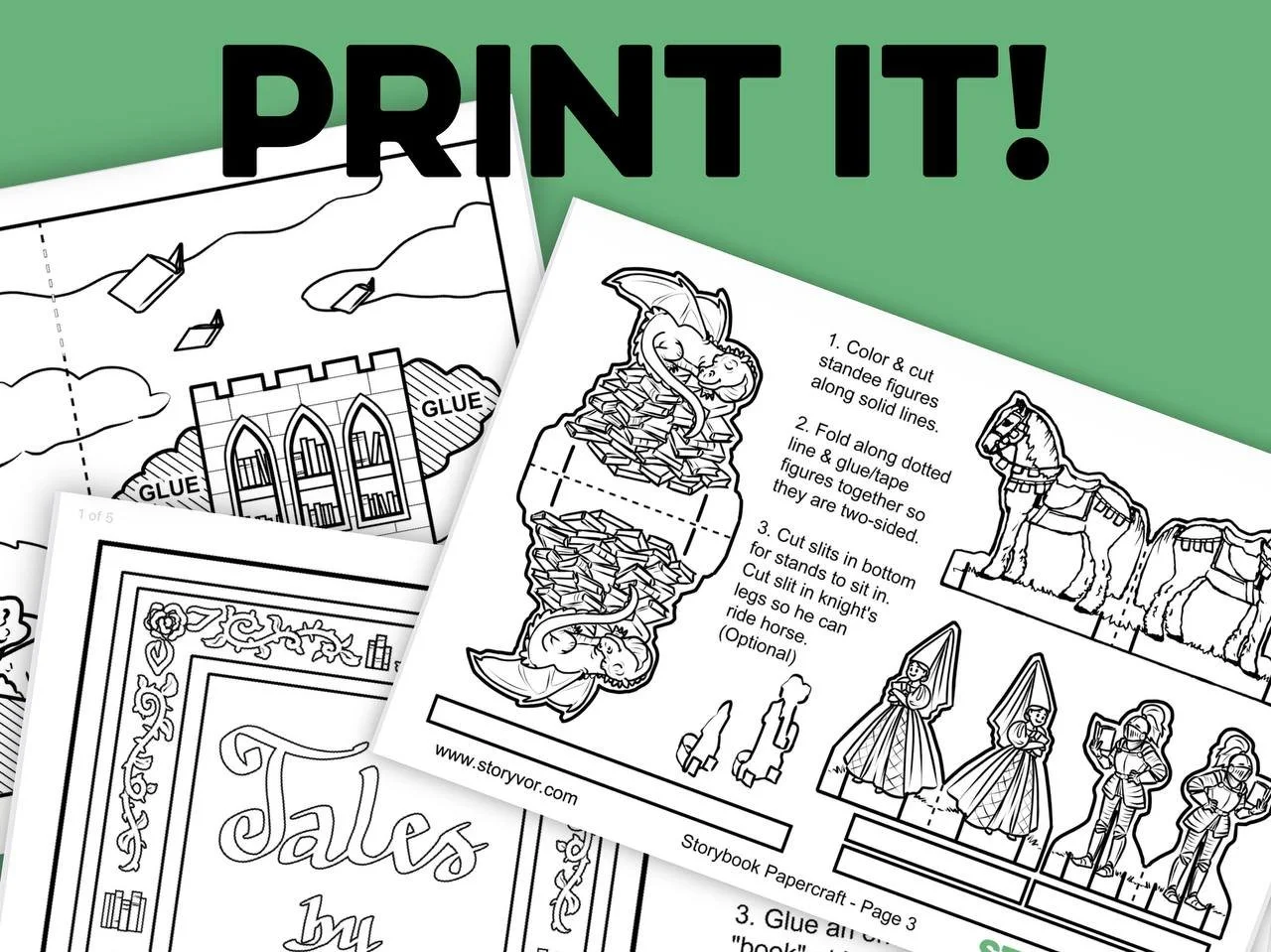
Books are magical things, and so it makes sense that the process of making them can seem mysterious and complicated. But the truth is, anyone can make a book. Not with AI, not digitally, but with your own skills and filled with your own expression. Here’s how.