
Giving good feedback is a skill that anyone can learn. Practical tips for useful, empathetic feedback, for readers, writers, and teachers.
14 November, 2026 ● Written by Stefan Bachmann
Illustration by Yeti Iglesias for Unsplash+
One of the first things I tell writers at a workshop or in a classroom is that giving feedback is an art, just like writing. It requires empathy, understanding, careful listening, well-considered wording, stretching our perspectives.
I like to present writing and giving feedback as a dialogue, a back-and-forth, an odd sort of ping-pong game. The writer serves the ball, the story, reaching out to someone. Giving feedback is then handing that ball back. But unlike a regular ping-pong game, you’re not trying to serve it back so fast that the person misses and loses. You’re trying to serve it back just right, so that they can win, so that they become better.
For the feedback-givers (we’ll call them the readers from now on), that means trying to understand what the writer means, expressing feedback that is kind, specific, and helpful, and rooting for the best possible story to emerge from the draft. It’s an attempt to understand another person’s mind, not to urge them to agree with yours.
For writers, that means practicing accepting feedback with curiosity and openness, truly listening to other points of view, and learning what to implement to make your story stronger and when to stand by your choices.
So here are two lists of tips on feedback, one for the reader and one for the writer, followed by a few ways to build a healthy feedback culture in the classroom.
5 Tips for Giving Good Writing Feedback:
Tell the writer what you understood
Before giving your opinion, summarize the piece in your own words, highlighting what worked for you. Tell the writer which main point, event, or feeling came through, and which secondary ones. The gap between what the writer meant and what the reader picked up on is often the most valuable information a writer can get.
Report your experience, not a verdict
This is where choice of words becomes important. Instead of stating a judgment like “this was confusing”, rephrase it as an I-statement: “I felt confused starting here.”
Be kind, specific, and helpful
Educator Ron Berger suggests three rules for feedback that are easy to remember and always useful. And all three have to be present. Being kind without being specific is not helpful. Being helpful without being kind is also not going to lead to lasting results. Being kind, specific, and helpful means pointing to an exact line or passage, saying what it did for you as a reader, and offering something the writer can use, all in a way that shows you are on their side. “I liked it” is kind. “The ending felt rushed” is specific. “I loved the storm scene, and I wanted the ending to build just as slowly. What if we stayed on the boat a little longer?” is all three.
Ask before you advise
Putting questions ahead of opinions is a good way to practice being kind, specific, and helpful all at once. Especially with very new writers, or if a piece isn’t as polished as it could be, asking questions can encourage the writer to think about his or her own work critically. A neutral question is open-ended and carries no judgment. For example: “What do you want us to feel about the brother?” instead of “Why is the brother so unlikeable?”
Leave the decisions with the writer
Whatever you felt while reading is right. However, the choice of what to change still belongs to the author. Giving feedback is a way to encourage growth, not to force a specific point of view. Say your part using the tips above and then encourage the writer to find his or her own path, to choose what to implement, and to trust their instincts.
5 Tips for Receiving Writing Feedback:
Say what kind of feedback you need
Don’t just hand over your work and hope that the readers tasked with giving feedback will tell you what you want to hear. Tell your readers where the piece is (early draft, unfinished, etc.) and what you want to know. For example, ask whether the opening pulls them in, whether the ending works, where they got lost.
Listen without defending
Resist the urge to explain what you meant. You won’t be there to explain it to future readers, so try to absorb what you’re being told with curiosity. It’s not something you need to defend yourself against. Take notes, ask questions if something is unclear, and remember that feedback is an exciting chance to improve your writing.
Treat reactions as information
A reader who says “I got bored here” is telling you something true about their experience. That doesn’t mean their suggested fix is the right one. Trust readers on where something isn’t working, and trust yourself that you can solve it in a way that feels true to your story and voice.
Look for patterns
One reader’s comment may simply be taste. When three readers stumble at the same paragraph, something should probably change. Collect the feedback first and see where it overlaps, both on a sentence level and across the entire story or manuscript.
Let the feedback settle
Feedback often stings most in the first hour and is most useful a day or two later. Thank your readers, step away, and come back to your manuscript when you can read their notes calmly. Be careful not to let feedback pull you too far away from what you’re trying to express. Trust your own instincts. But always remain open to sharpening your perspective and skills.
For teachers: Creating a helpful environment in the classroom is the first and most important step
Build trust before critique. Feedback only works where students feel safe both to absorb critique and to give it with empathy. Start with low-stakes sharing where work is read aloud and simply heard before anyone is asked to respond to it.
Agree on simple ground rules. For example, from the tips above: Be kind, be specific, be helpful. Put the rules on the wall, and return to them whenever a comment misses one of the three.
Model giving feedback together first. Critique a piece by a famous author as a whole class. Pretend he or she is in the room with the students, and make it fun. Then critique the class on their feedback, on what works and what doesn’t. Show them what a useful comment sounds like.
Give students the words. Sentence starters such as “I noticed...”, “I wondered...”, “I felt... when...” and “What if you tried...” turn vague verdicts into observations a writer can use.
Make it clear that writing and giving feedback are a dialogue that requires something from both writers and readers.
Writers put their work out there to be read and judged. Expressing personal thoughts and stories can feel vulnerable and requires courage.
Giving feedback also requires skill and empathy. Readers should read carefully, seek to understand what the writer wants to express, and then report their experience with well-considered language.
Writers should listen carefully to feedback and choose what to implement to strengthen and improve their storytelling. Well-formed feedback is hugely helpful and important.

Stefan Bachmann
Editorial Director
Stefan Bachmann has worked widely in education, cultural programming, and literacy advocacy for over fifteen years. He is an internationally bestselling author of children’s books, co-founder of Foundations in Literacy, co-president of AUTILLUS, the Swiss Association of Children’s Book Authors and Illustrators, as well as a member of various advisory boards and committees in Switzerland and abroad. He studied composition and theory at the Zürich University of the Arts.











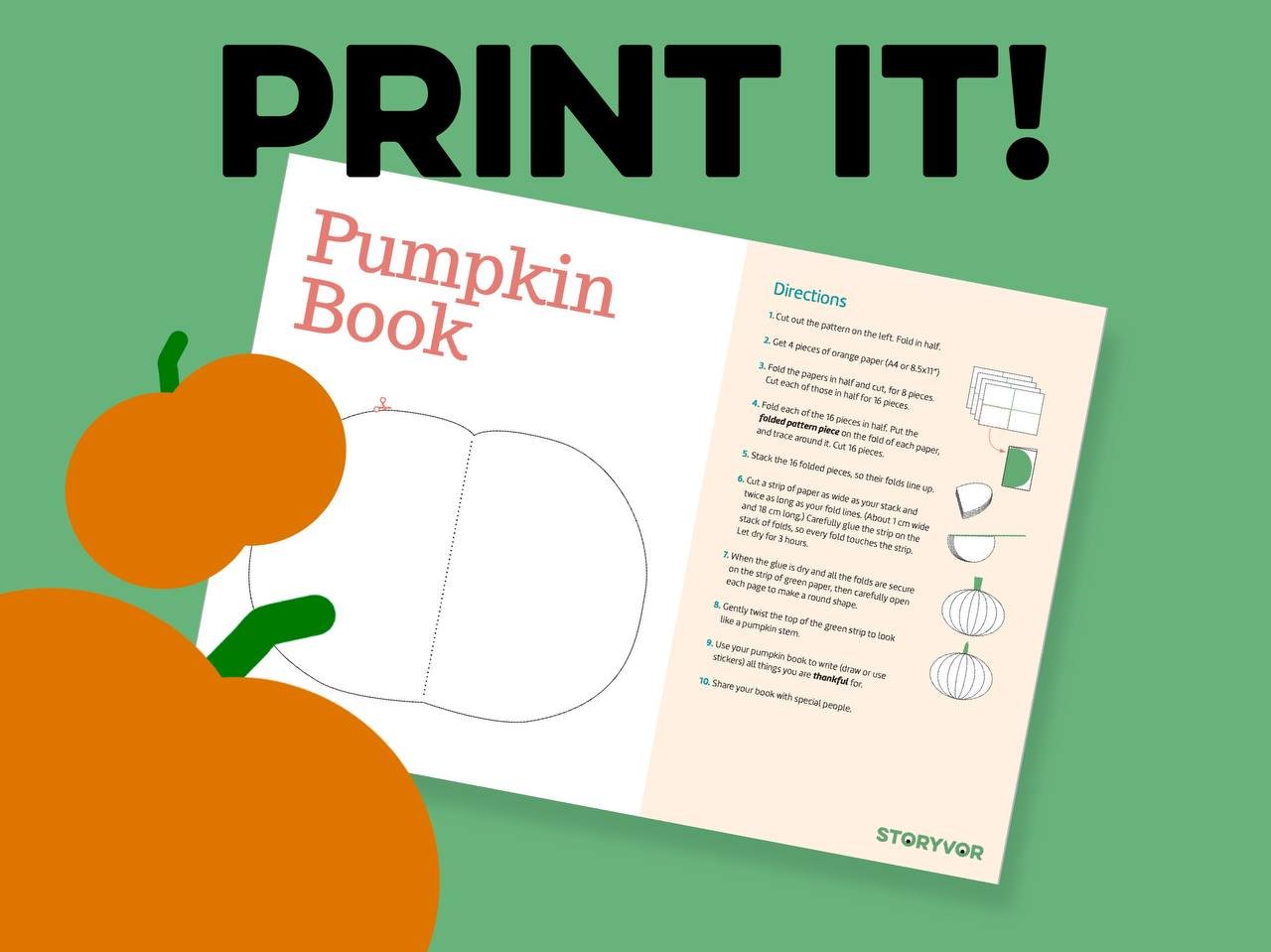


This fold-up booklet helps students plan a story from hook to resolution, with pages for What, Who, Where, Why, and How. Read on for five tips on how to use it in the classroom or at home.