
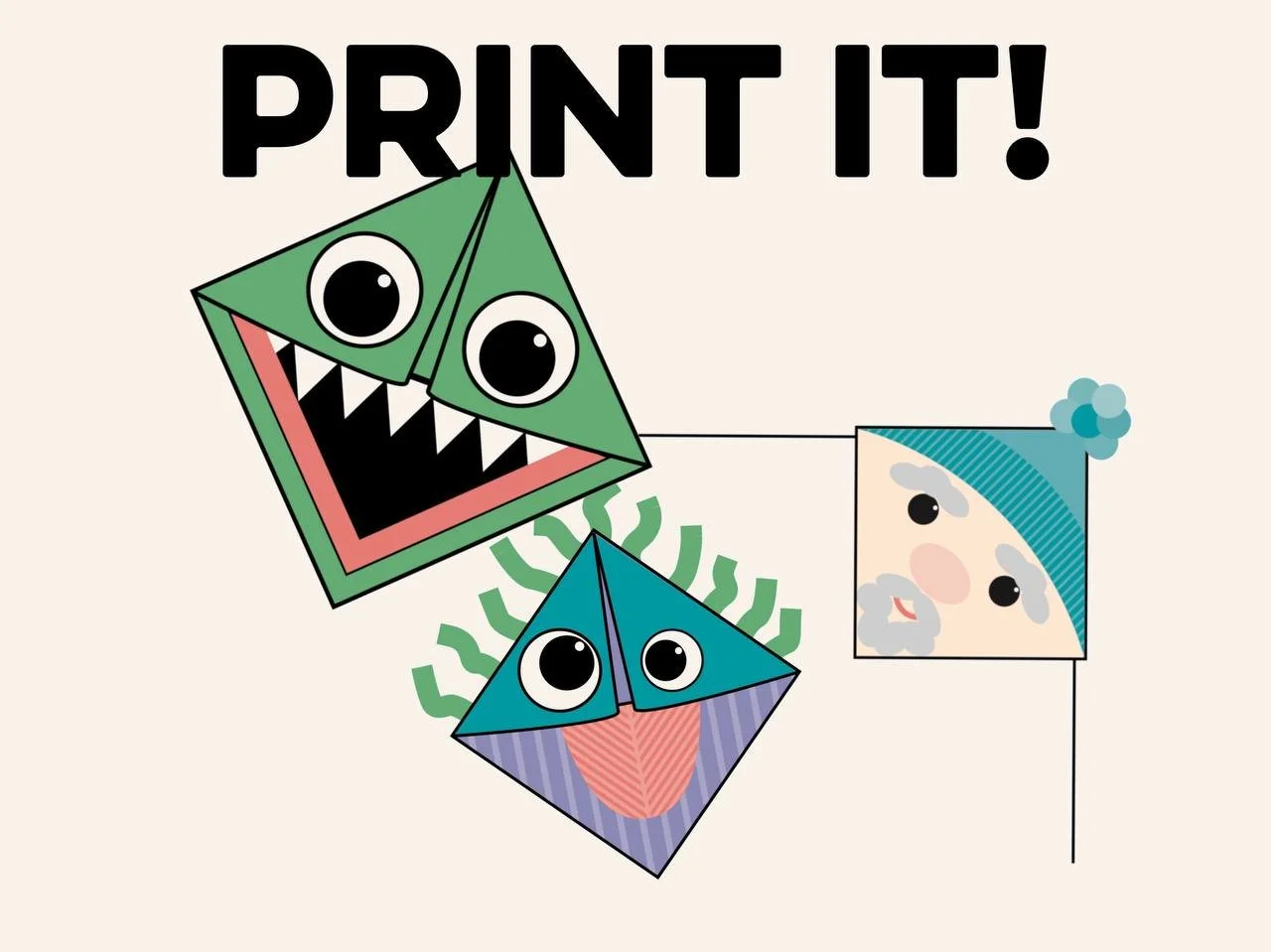
This fold-up booklet helps students plan a story from hook to resolution, with pages for What, Who, Where, Why, and How. Read on for five tips on how to use it in the classroom or at home.
14 November, 2026 ● Written by Sarah Silverkey
Image copyright: STORYVOR
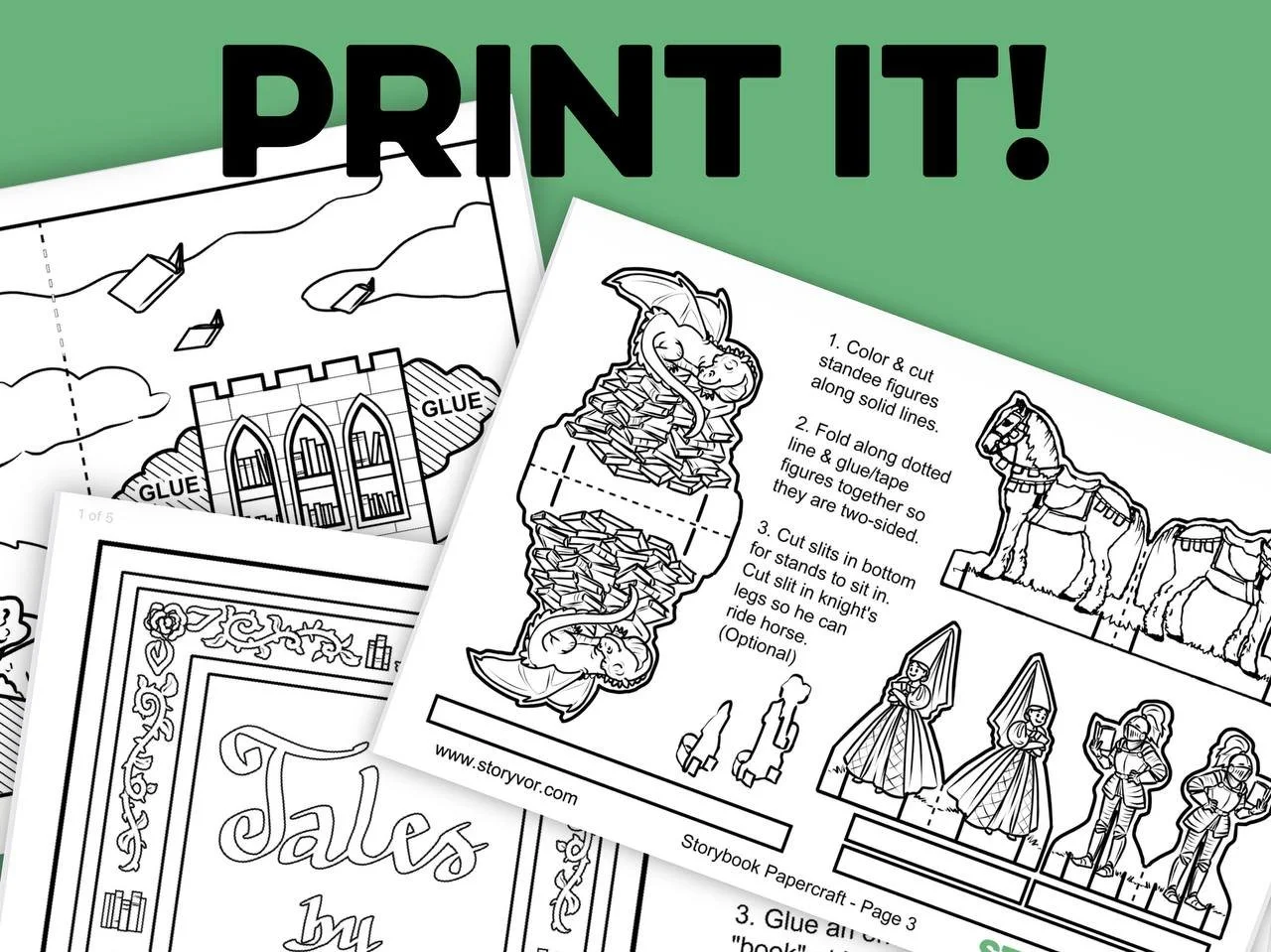
After learning to listen to a story, learning to read a story, learning to write or tell a story is the next key step in building literacy skills. In our article Story Bones: A Simple Guide on How to Write a Story, we showed that every story is built from the same basic parts: a backbone (What), two legs (Who and Where), and two arms (Why and How). This printable planner puts those bones on a single sheet of paper. Print it, cut and fold along the marked lines, and young writers have a pocket-sized booklet for planning a story before they write it. Here are five tips for using it at home or in the classroom.
Enjoy!
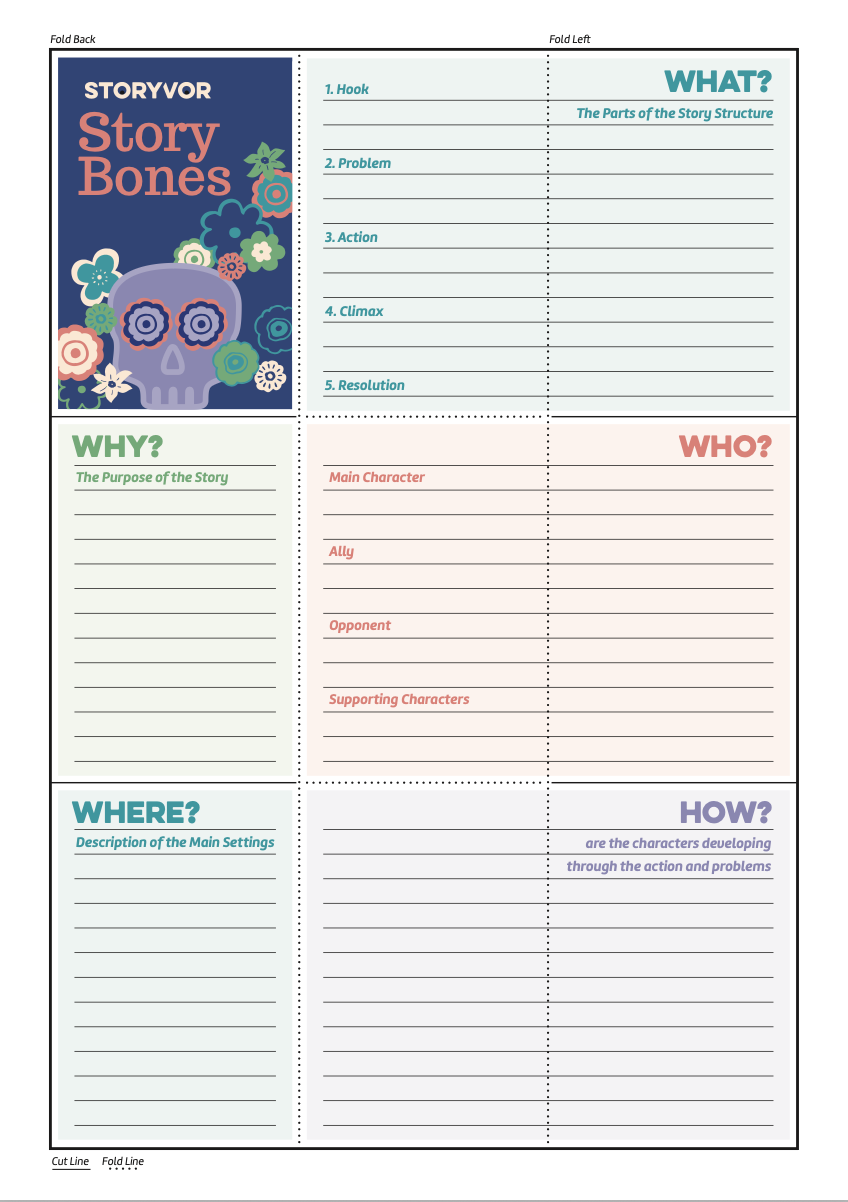
Download your free, printable story planner here!
Print out our handy story planner in color, and have your students fold it and fill it out. More details on the research-based benefits of literacy can be found here.
How to use STORYVOR's story planner for literacy building
Start with any bone.
The pages don’t need to be filled in order. Invent a main character first, or begin with a setting tied to something the class is studying in history or science. One bone usually leads to the next.Find the problem.
There is no story without a problem. Once it is written down on the What page, the hook, action, climax, and resolution become much easier to fill in, because each one is a step toward solving it.Know more than you write down.
On the Who page, give the main character an ally who helps and an opponent who stands in the way. Encourage writers to imagine far more about each character than fits on the lines. On the Where page, a short description of the setting keeps the story consistent, so no fire station turns up in the middle of a misty forest.Save the arms for last.
How and Why are the hardest pages, and they are easier once the rest is filled in. For How, compare the main character at the hook and at the resolution: what has changed? For Why, ask what the story wants to show. Neither has to be stated outright in the finished story.Use pencil.
The planner is a map, and stories often head in new directions once the writing begins. Let young writers go back and change their bones as they draft. For a first try, fill in a booklet together for a story everyone knows, then plan a new one.
Note: If you’d like to collaborate with us or get your own co-branded materials for encouraging literacy at your school, organization, or institution, reach out! We’re happy to work with you to inspire reading in your community, always free of charge, so don’t hesitate to get in touch.
Sarah Silverkey
Contributing Editor
Sarah is an educator, writer, and artist with over 40 years of primary and secondary school teaching experience in the United States and in Switzerland. She’s a co-founder of the Homeschool Association Switzerland, and a fervent literacy advocate, believing that all good things (or at least, very many of them) come from an early exposure to books and stories.

This fold-up booklet helps students plan a story from hook to resolution, with pages for What, Who, Where, Why, and How. Read on for five tips on how to use it in the classroom or at home.