
Old Stories, New Formats: Making Classics Accessible to Every Reader
Educator Sarah Silverkey discusses the place of classics like Heidi in literacy education and how updated, abridged, or reimagined editions can help inspire young readers.
17 February, 2026 / Written by Sarah Silverkey
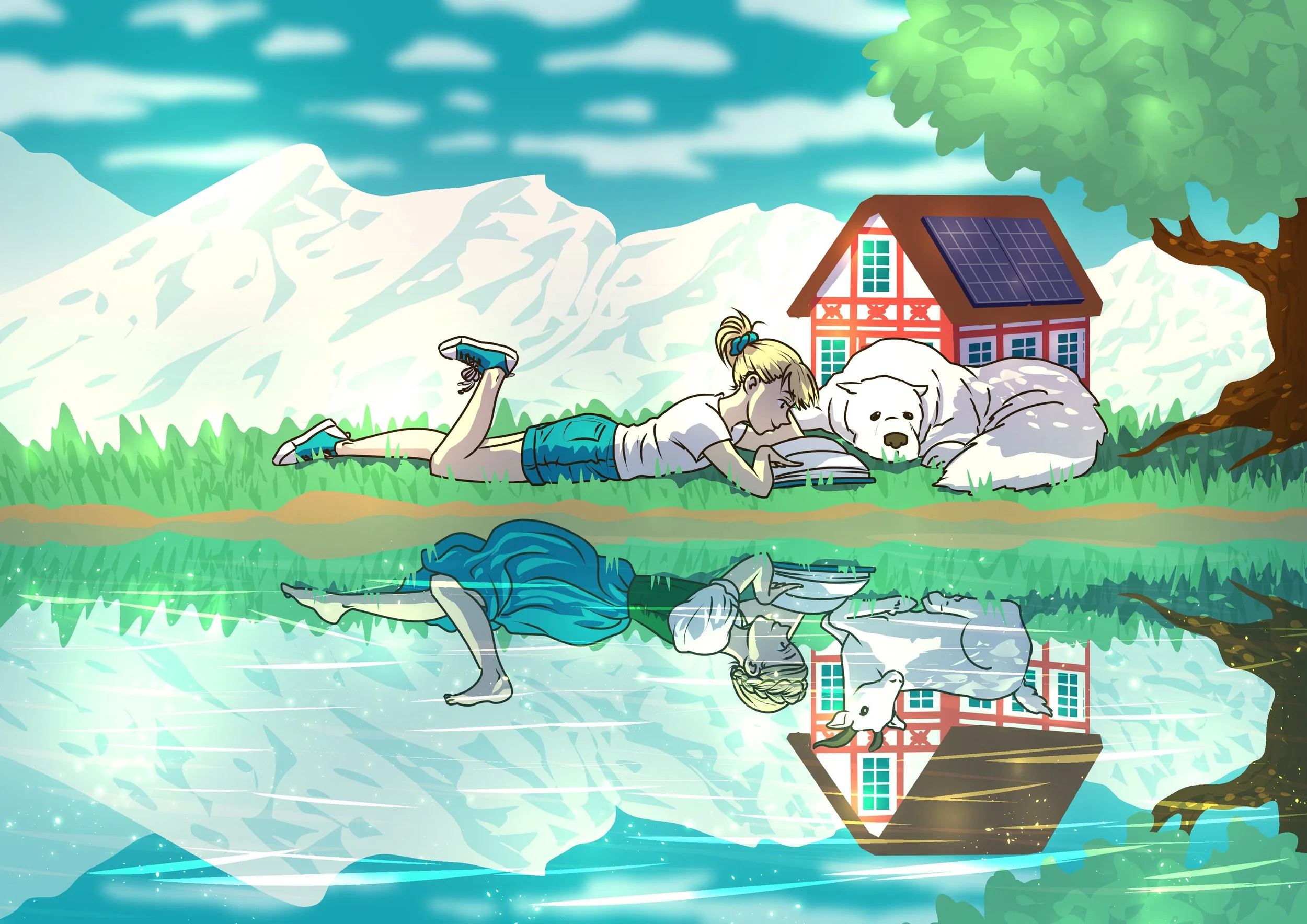
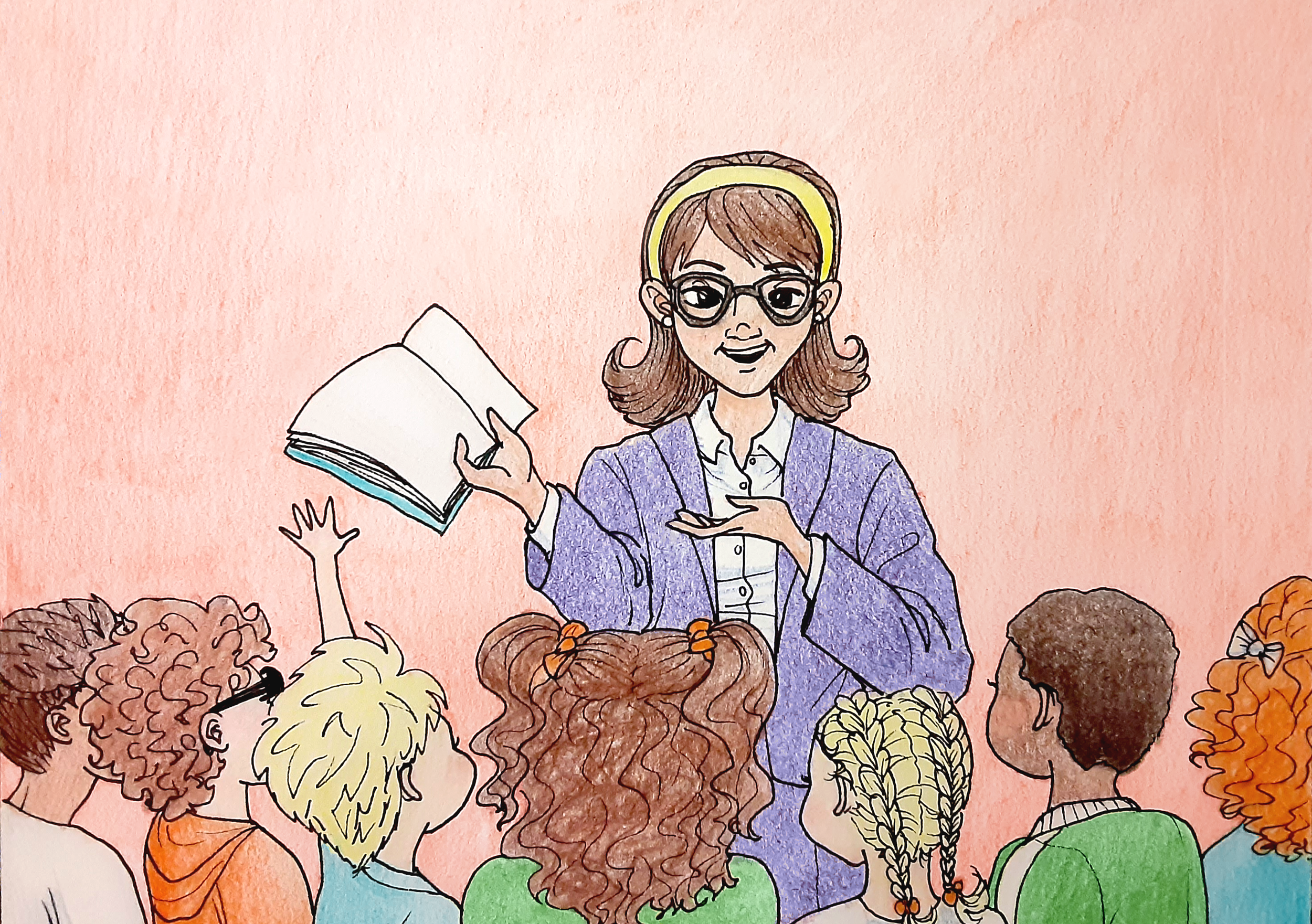
Illustration by Sarah Y. for STORYVOR
Classic books can be wonderful. They can also be intimidating.
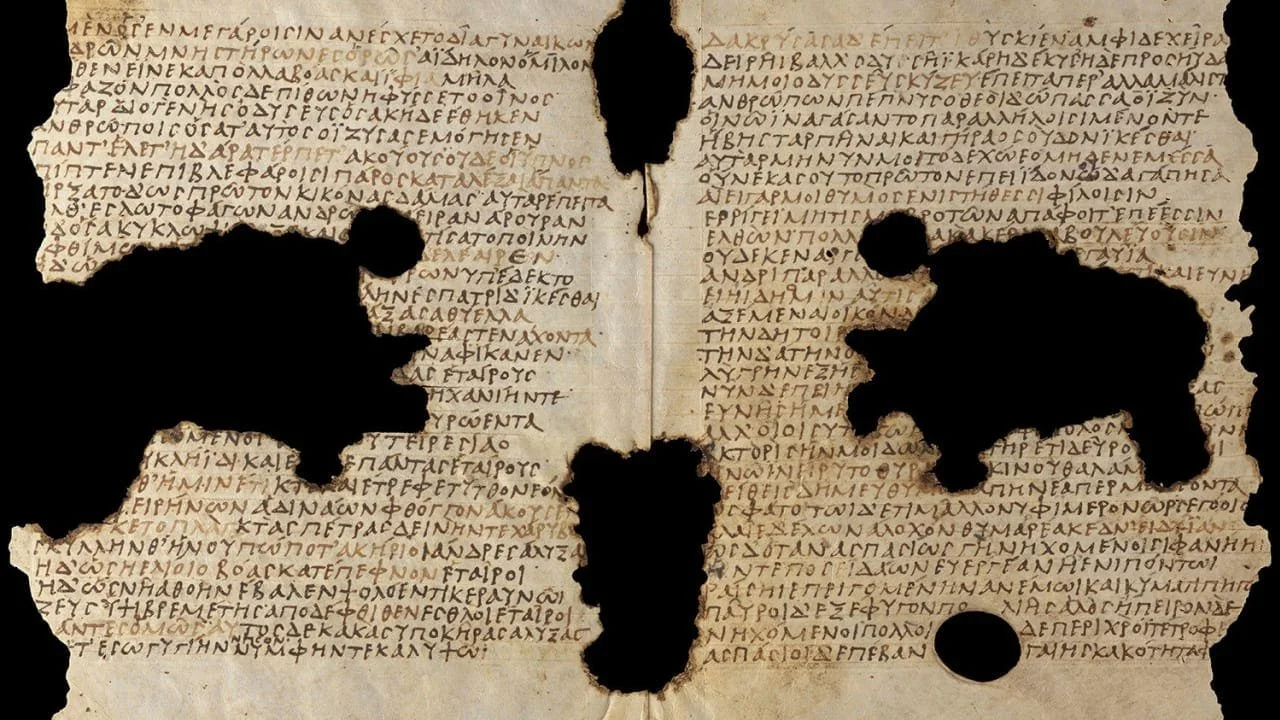
Many of us have fond memories of curling up with dog-eared editions of Anne of Green Gables, The Chronicles of Narnia, Jane Eyre, and Treasure Island. We remember being transported, drawn into another time and another world. But just as often, classrooms accustomed to today’s lightning-quick pacing might quickly ring with complaints of “Boring!”, and, with every passing decade, even educators might find the content increasingly alien.
We as teachers and parents want books to inspire and connect. We often recommend and assign books that swept us away when we were young. But opinion on whether classics consistently and successfully manage to do that is divided. Some educators swear by the classics, and teach them again and again. Others find them outdated, problematic, and altogether unacceptable for young readers.
Regardless of which camp you land in, classics remain a big part of the literacy conversation. So what if, instead of deciding whether to read old stories, we decide when to read old stories and in what form?
While some children will connect with classics in their original form (in my experience, the probability goes up considerably when the book is read to them vs. them reading it independently), others may be put off reading entirely. If the foundation isn’t there, handing a child William Shakespeare’s A Midsummer Night’s Dream or Charlotte Brontë’s Jane Eyre won’t make him or her into a reader. In fact, in the worst-case scenario, it could stop them from ever becoming one.
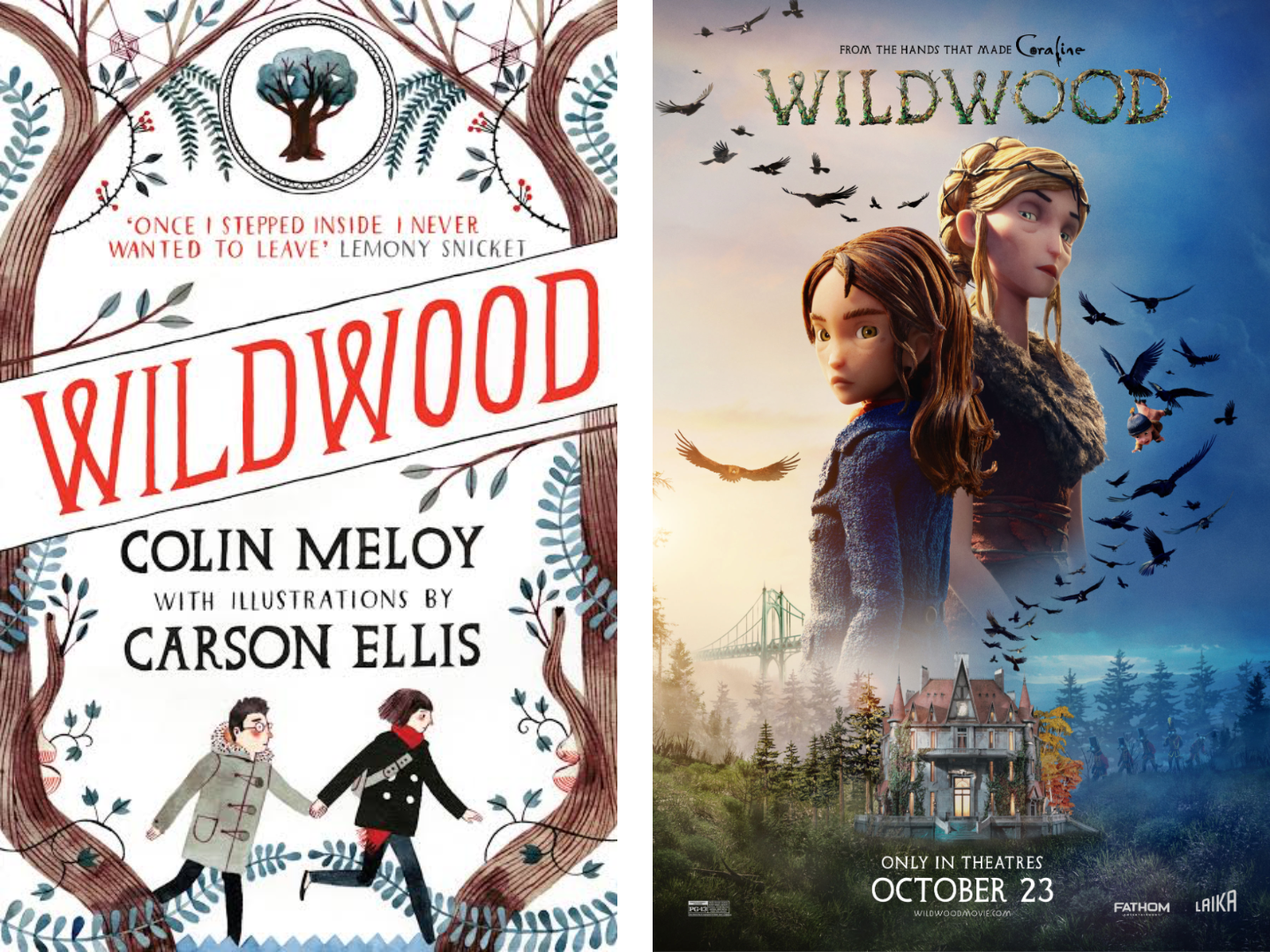
Luckily, there is another option for bringing classics into literacy: the re-imagined, abridged, or heavily illustrated version.
This can feel sacrilegious to purists. If you connected with something in its original form, anything else can feel like a knock-off, falsifying something you already found to be faultless. But we’d like to posit a different take: updated, abridged, simplified, or reimagined versions of older tales have always been a part of storytelling. Every classic today is based on a previous iteration, remixed and re-told through the lens of its time. Almost every plot, character archetype, or setting we enjoy is a reiteration of ones formed and re-formed over thousands of years.
So how can we meet our children and students where they’re at? By choosing books that speak to them and encourage further reading and exploration. And making reading material accessible in many forms, whether it be fresh voices, updated versions of classics, original and unabridged editions, or — our favorite option — all of the above.
Illustration by Sarah Y. for STORYVOR
Why some stories never grow old
Classics stay with us for generations because their characters and messages tap into something genuinely human. One example is the cozy, picturesque book Heidi by Johanna Spyri. First published in 1881, Heidi has charmed readers for over a century. Though the original has some questionable thoughts on health and a miraculous recovery that may require discussion, the story of a girl finding joy in the Swiss Alps, bringing warmth to her grandfather’s lonely mountain home, and offering friendship to a homesick child in the city still resonates today. Its themes — kindness, resilience, and the power of nature — still feel relevant. And who doesn’t occasionally entertain the thought of running away to live in the mountains?
When language becomes a barrier
Here’s the challenge: many classics were written in language we don’t use as often anymore. Sentences can be long and winding. Vocabulary may feel formal or unfamiliar. Social customs and ways of thinking may seem distant from a child’s daily experience.
This isn’t a reason to avoid classics. In fact, it’s a reason to read them. It is good for children to encounter different ways of thinking, different ways to use language, and a broad vocabulary. Furthermore, it can be useful to compare past ideas with what we live with now. These comparisons often spark thoughtful discussions, personal insights, and a stronger understanding of the progression of literature and society.
But what if the language itself becomes an obstacle? What if the child who would love the story simply can’t get through the text?
Enter the high-low version
This is where high-low editions can make all the difference.
“High-low” stands for high interest, lower reading level. In these versions, the story remains intact, often retaining complexity of thought, but the dense writing style and complicated vocabulary are reshaped into more accessible language. Sentences are shorter. Word choices are more familiar. The pacing is often quicker, which feels more natural to modern readers.
A high-low version of Heidi still offers friendship, longing, homecoming, and beautiful vistas. What changes is the readability.
For reluctant readers, multilingual learners, or students who struggle with decoding, high-low classics can open doors that once felt firmly shut. Instead of frustration, they experience success. Instead of giving up, they turn the page.
New editions for every kind of reader
Today, classics are available in an extraordinary range of formats:
Original unabridged texts
Illustrated editions
Graphic novel adaptations
Audiobooks
High-low and simplified editions
Modern retellings
This variety is a gift. It means that every reader — regardless of reading level, learning style, or background — can access the adventures, thoughts, and feelings of a smorgasbord of great books.
A child might begin with a high-low version of Heidi, fall in love with the characters, and later return to the original text with greater confidence. Another might listen to the audiobook while following along in print. Yet another might explore a beautifully illustrated edition that brings the Alps to life in vivid color, and find themselves inspired to draw and create their own images. Accessibility, as always, is key.
Fresh formats are a bridge, not a replacement.
As adults guiding young readers, we sometimes worry about “doing it the right way.” Should they read the original? Is an adapted version good enough? Will my child or student fall behind if they’re not presented with the original in all its complexity?
The truth is simple: reading that invites a child in is always worthwhile.
If a high-low version of a classic helps a student discover the joy of story, that is a victory. If a graphic novel edition sparks curiosity about life in another time and place, that is a victory, too. If comparing the original language to a modern adaptation leads to discussion, that is learning at its best.
Classics endure because they feature timelessly appealing themes and speak to our shared humanity. Thanks to the many formats available today, every reader can climb into the Alps with Heidi, run through the high pastures, and — ideally — find that characters, stories, and ideas of all kinds are waiting for them within the pages of books.
Further reading
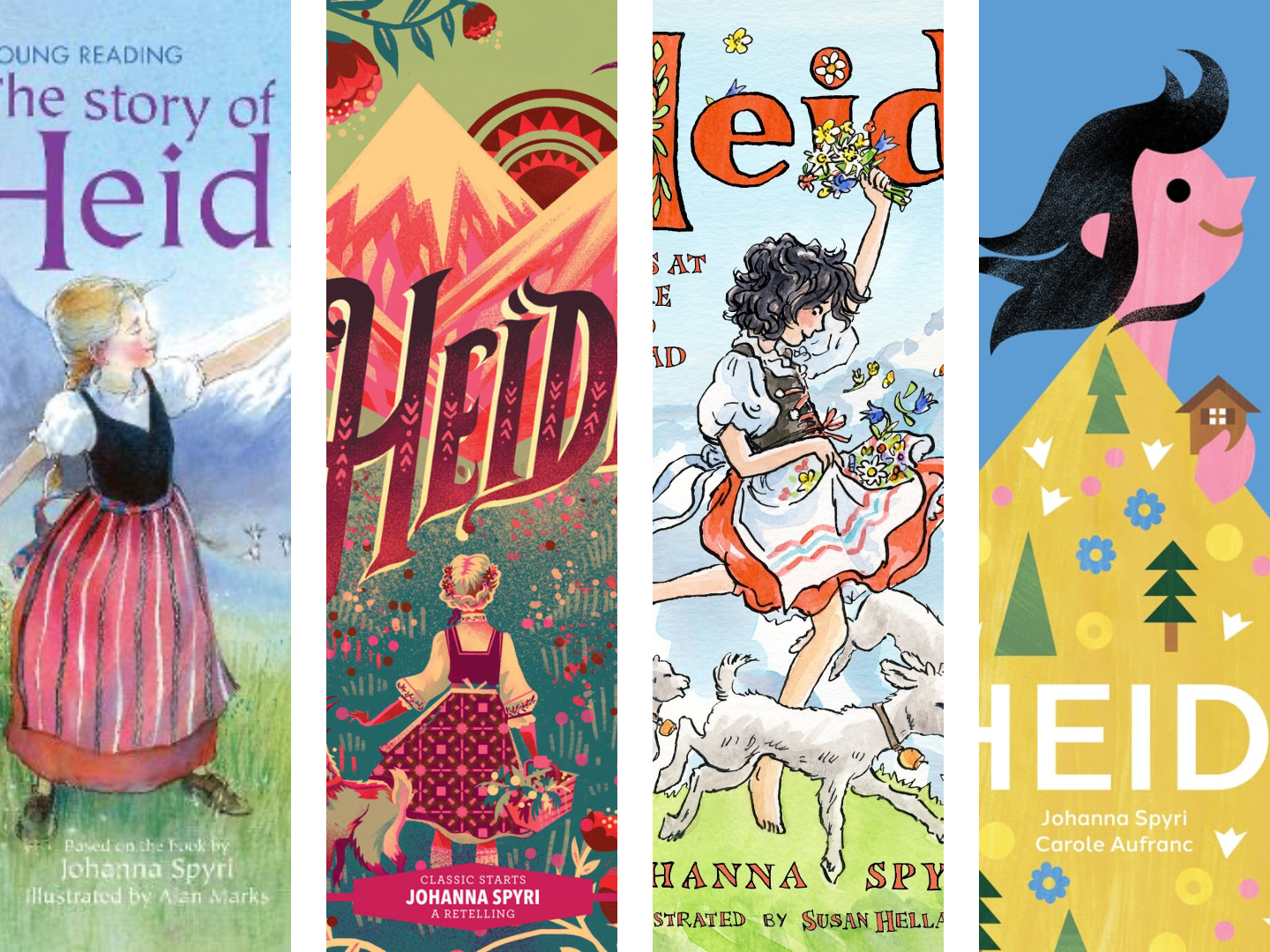
Below you will find Heidi in four variations, from picture book to unabridged original. There are dozens more. Many publishers also have series of updated and abridged classics, making it possible to find almost any classic in a form your readers can enjoy.
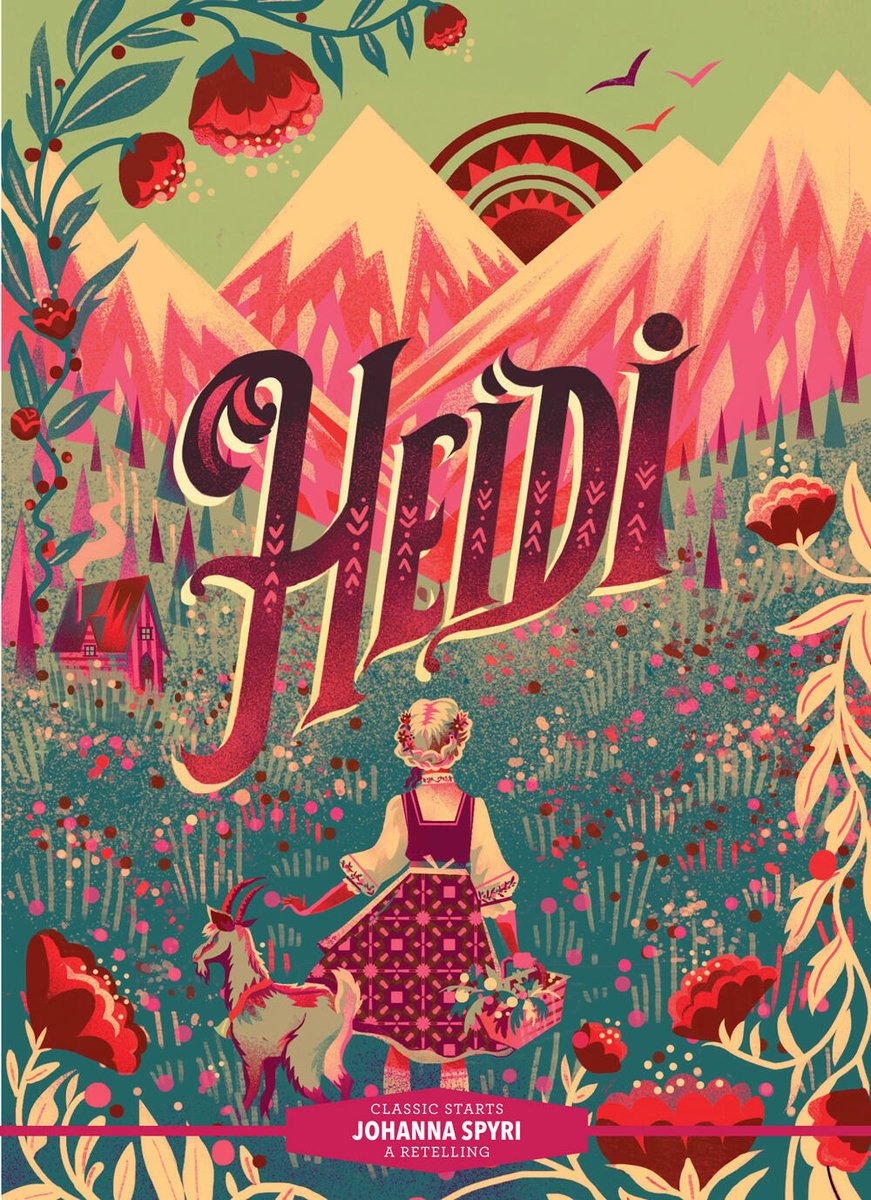
A new, abridged retelling:
When Heidi, an orphan, goes to live with her grandfather in the Swiss Alps, her life changes. This abridged retelling of Johanna Spyri’s original work is by Lisa Church.
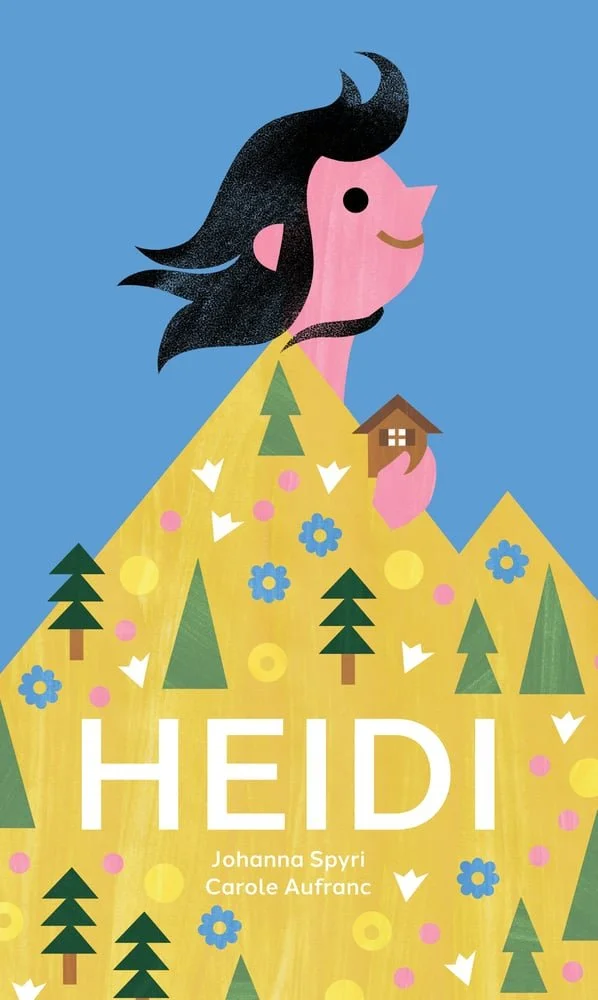
The Swiss classic told in 30 pictures:
Here, Johanna Spyri's classic from the Alps is retold in simple, beautiful illustrations by a Swiss papercut artist.
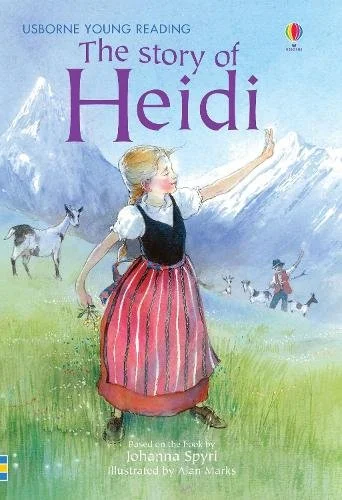
Abridged, easy-to-read, and highly illustrated:
Part of Usborne’s Young Reading Series for readers growing in confidence, this edition was developed in conjunction with reading experts from Roehampton University.
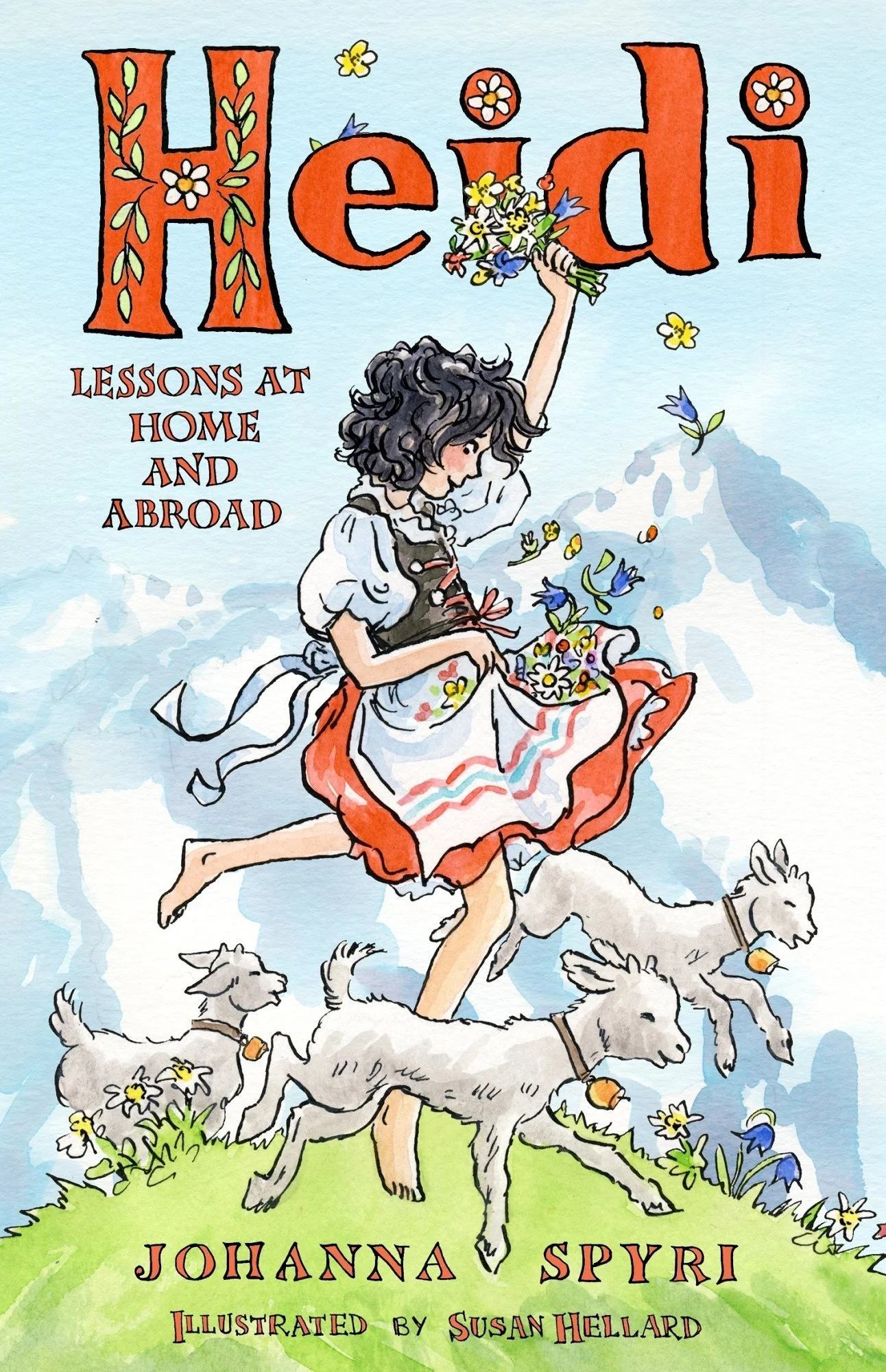
The unabridged original:
Heidi's Early Lessons and Travels is here presented in a brand-new, unabridged translation by James Bowman, with charming illustrations by Susan Hellard.
Sarah Silverkey
Contributing editor
Sarah is an educator, writer, and artist with over 40 years of primary and secondary school teaching experience in the United States and in Switzerland. She’s a co-founder of the Homeschool Association Switzerland, and a fervent literacy advocate, believing that all good things (or at least, very many of them) come from an early exposure to books and stories.




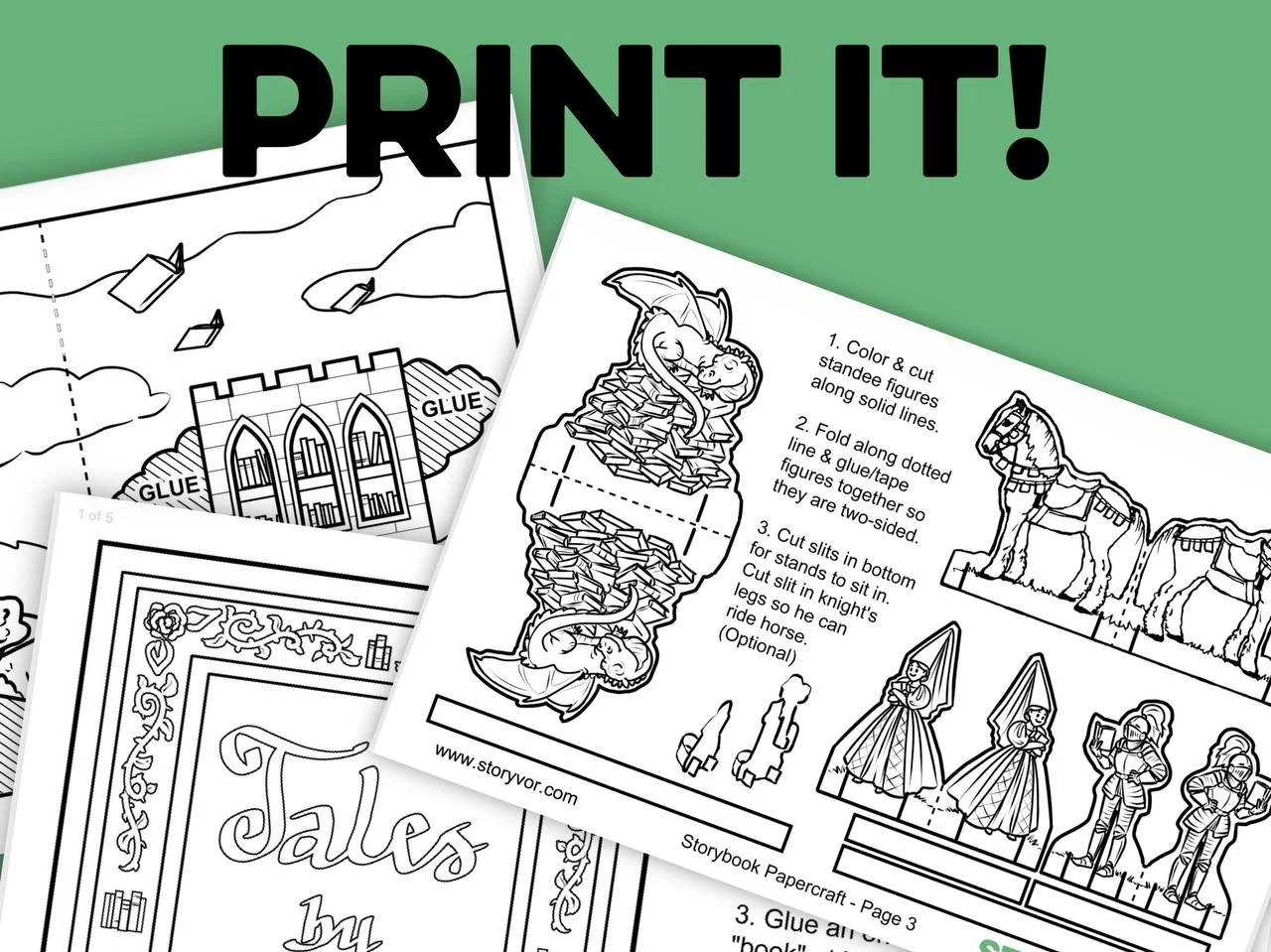
Books are magical things, and so it makes sense that the process of making them can seem mysterious and complicated. But the truth is, anyone can make a book. Not with AI, not digitally, but with your own skills and filled with your own expression. Here’s how.