
What to Look for When Choosing a Picture Book for Your Child
Thousands of picture books are published every year. How can parents and teachers tell which ones truly support children’s learning, literacy, and reading joy? Dr. Charnetta Williams did the research and shares practical guidance on what to look for.
28 February, 2026 ● Written by Dr. Charnetta Williams
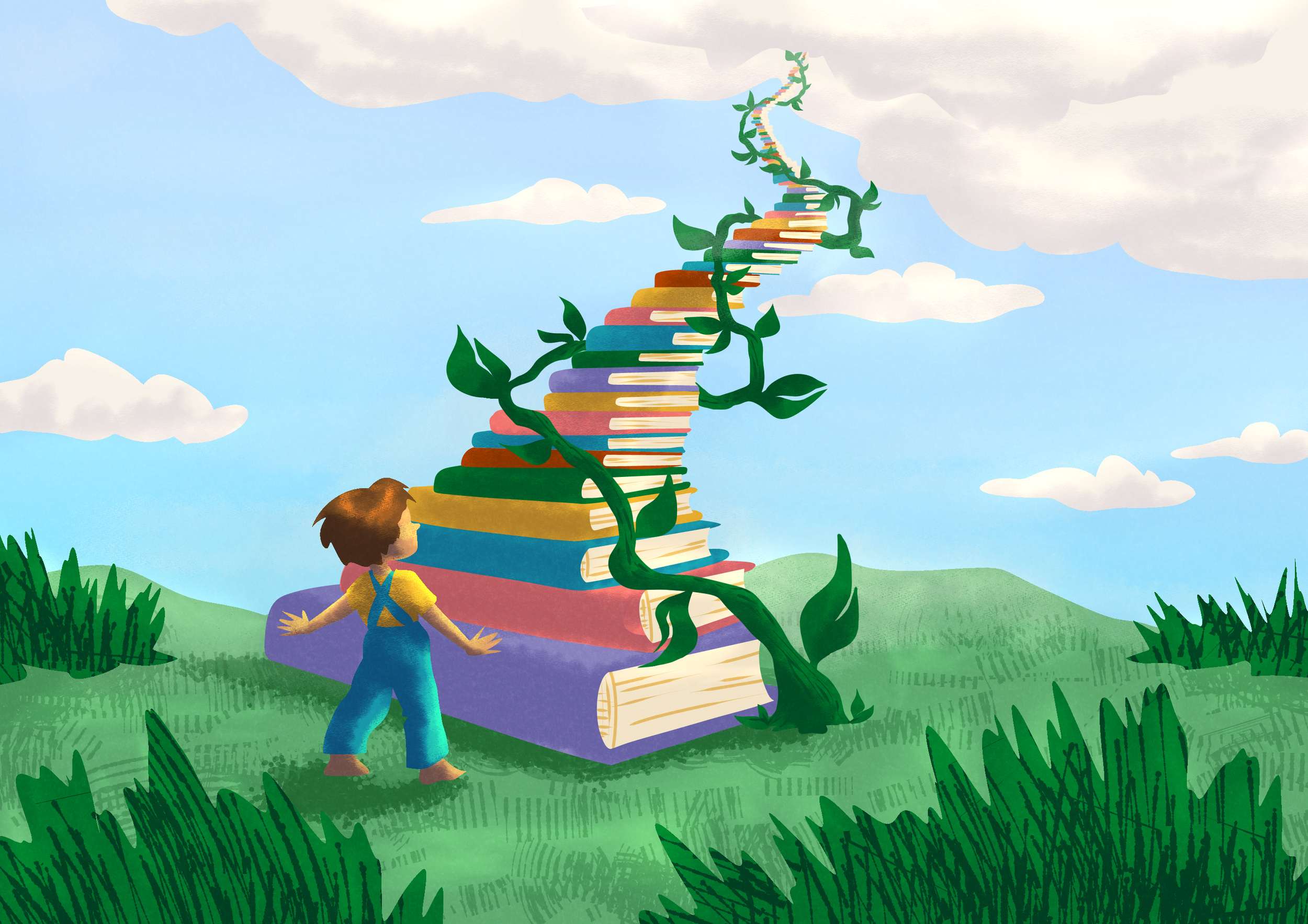
Illustration by Eva Corbisier for Unsplash
The average parent doesn’t struggle to find children’s books. We struggle to find good ones. Walk into any bookstore and you’re met with bright covers, familiar characters, and shelves packed with promises–books that claim to teach kindness, confidence, or creativity. Then, add in bestseller lists, celebrity endorsements, and viral recommendations, and it can feel as though the decision has already been made for you. Yet many families bring books home only to discover that something doesn’t quite land. The story feels clunky, the child loses interest halfway through,
or the book is read once and quietly forgotten.
That disconnect is what pushed me to think more deeply about how we choose picture books for children aged four to eight years, a stage when kids are old enough to notice patterns, emotions, and meaning, but still rely heavily on visuals, rhythm, and connection. What follows are the qualities that consistently matter most when choosing picture books for this age group.
Of note, this perspective isn’t mine alone. In order to better understand what truly distinguishes strong picture books from forgettable ones, I conducted a survey of a small group of children’s book insiders: teachers, authors, publishers, illustrators, and children’s book reviewers. Many of them have reviewed hundreds, and in some cases thousands, of picture books over their careers. Their responses revealed a striking level of alignment.
Children read the pictures before the words
Long before children can decode text, they read faces, posture, and color. Picture books that resonate with young readers use illustrations as an essential storytelling tool, not just decoration. Over 80% of survey respondents identified beautiful, high-quality illustrations as one of the most important factors parents should consider when choosing a picture book. But quality isn’t just about how art looks. It’s about what it does for the story. When illustrations do their job well, they help children understand what’s happening. The most effective picture books use images to show emotions, actions, or details that the text leaves open. This gives children something to notice, wonder about, and talk through during read-alouds. In the survey, many book experts emphasized that illustrations should support comprehension and spark conversation, not simply mirror the text word for word.
A helpful gut-check for parents:
If you covered the words, could your child still tell you what’s happening? If the answer is yes, the illustrations are doing real storytelling work–and this is a good thing!
Relatability and representation deepen engagement
Connection is what keeps children leaning in. Relatable stories don’t require identical life experiences; they require emotional truth. When a character feels unsure, tries again, or faces a familiar challenge, children recognize themselves in the moment, even if the setting or circumstances differ. Diversity plays a crucial role here. In the survey, more than 90% of respondents described diversity in children’s books as very important, noting that children need both mirrors — stories that reflect their own experiences — and windows–stories that offer a view into the lives of others. For parents, this doesn’t require searching for a lesson or message. It simply means noticing whether a story makes space for many kinds of children, families, and feelings to exist naturally within the world of the book.
Engagement comes from the story, not the extras
Some picture books invite children to participate through playful details: something to spot in an illustration, a moment to predict what might happen next, or a visual surprise that rewards close attention. These elements can absolutely enhance storytime. But survey respondents consistently noted that engagement works best when it builds on a strong foundation. Playful touches are most effective when the story itself is clear, emotionally grounded, and easy to follow. In other words, interaction should support the story, not distract from it.
How a book sounds matters more than you think
Picture books are written to be read aloud, and children quickly sense when language flows. Or when it doesn’t. Stories with clear pacing, natural rhythm, and a recognizable beginning, middle, and end (i.e. a clear story arc) are easier for children to follow and more enjoyable to revisit. When survey respondents were asked about red flags, weak or confusing storytelling was one of the most common reasons a book didn’t work, tied closely with generic or uninspired illustrations.
A simple test parents can try: if a story feels awkward to read aloud or hard to follow in one sitting, children are likely sensing that too.

Emotion is the invisible thread
The most memorable picture books make children feel something, and very often, that feeling is joy. When books are genuinely enjoyable, children lean in. They laugh, they ask questions and want to turn the page. Fun isn’t a bonus feature of a good picture book; it’s often the very thing that keeps children engaged long enough for the deeper meaning to take root.
At the same time, not every powerful picture book is meant to be funny or lighthearted. Some stories encourage empathy, inviting children to step into someone else’s experience. Others awaken curiosity or encourage quiet reflection. These emotional responses, either joyful, thoughtful, or tender, help children process feelings they may not yet have the language
to name.
In the survey, half of survey respondents explicitly named emotional impact as a key factor parents should consider when choosing a picture book. Books that move children (and often parents as well), open the door to conversation, whether it’s a question about a character’s choices or a connection to something a child has experienced themselves.
A question worth asking: “Will I enjoy reading this again?”
Over time, many parents realize that a book’s staying power matters. The stories that last aren’t just tolerable on repeat, but deepen with familiarity. They reveal new details, invite new conversations, and grow alongside the child.
This way of thinking about picture books eventually became the foundation for a framework I created for families called The BRIGHT Guide. It’s a simple tool designed to help parents choose books with intention. This guide was created based on the results of the survey and its goal is not to limit choice, but to sharpen it. Families can find The BRIGHT Guide on my website, Picture Perfect Reads, where I share resources that help children build confidence and connection through books and other screen-free activities.
A simple way to choose more intentionally
The next time you’re selecting a picture book, try pausing to ask:
● Do the pictures help my child understand the story?
● Can my child connect emotionally with the character or situation?
● Does the story flow naturally when read aloud?
● What feelings does this book leave behind?
Because the right picture book does more than fill time before bed. It shapes how children see themselves, how they talk about challenges, and how they see the world around them, and those are stories worth choosing carefully. At the end of the day, the best picture books don’t just teach or reflect. They’re fun to read, fun to revisit, and fun to share.
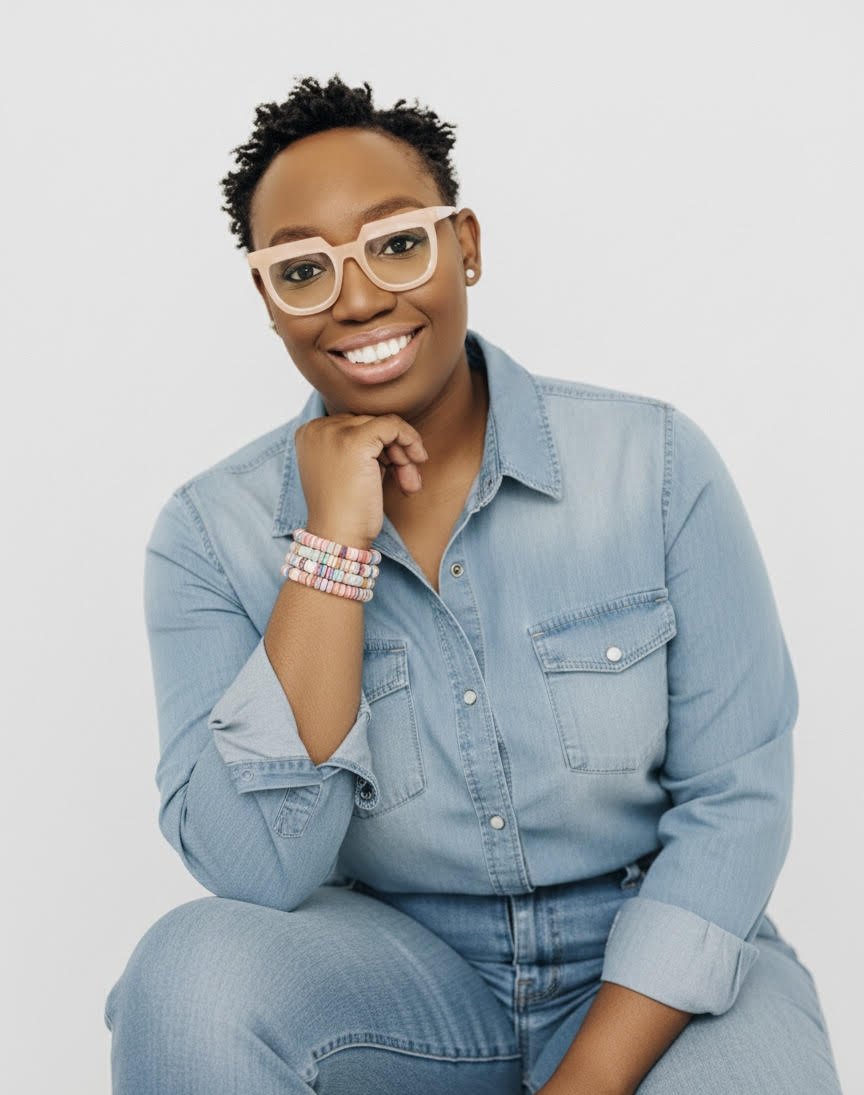
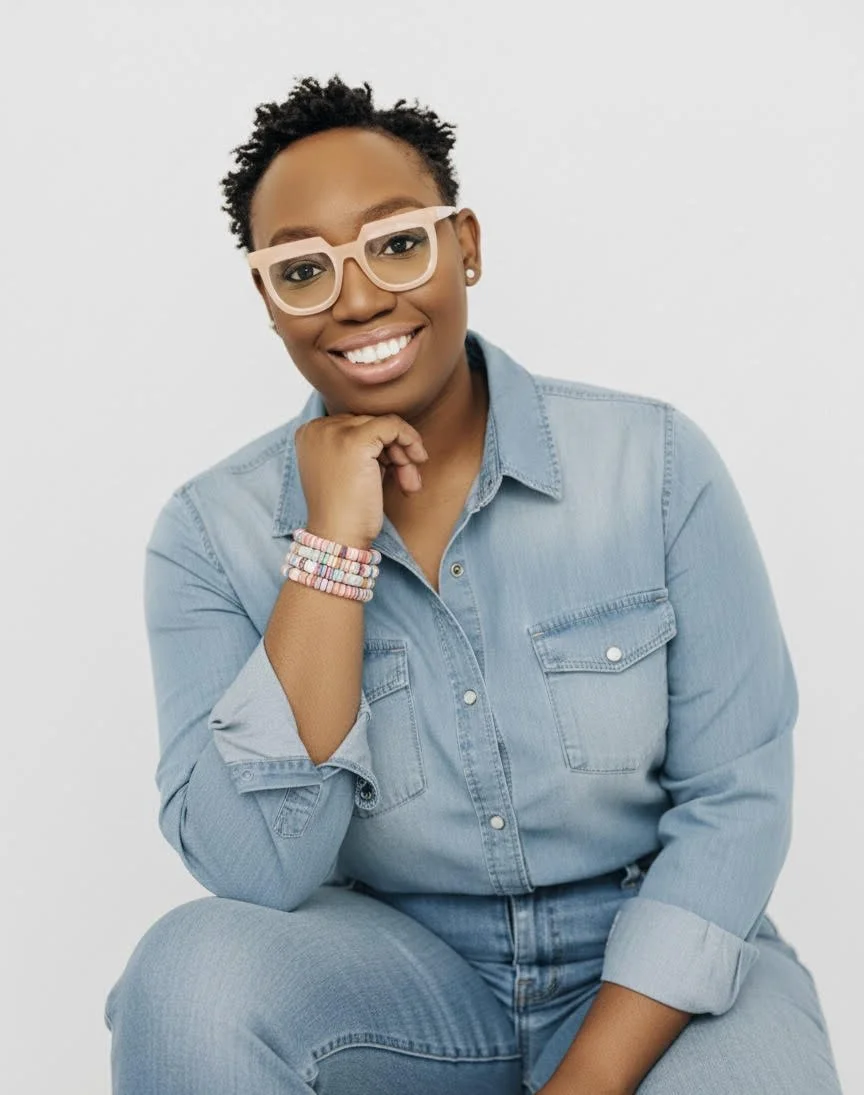
Dr. Charnetta Willams
Contributor
Dr. Charnetta Willams (Dr. Netta) is a mom, physician, and children’s book author based in the U.S. She is also the founder of Picture Perfect Reads and author of the Penelope and the Power of Positivity picture book. Dr. Netta encourages families to choose picture books that build confidence and meaningful connection. As a mother of 2 herself, she believes thoughtfully chosen stories can support emotional growth, early learning and a lifelong love of reading.




Books are magical things, and so it makes sense that the process of making them can seem mysterious and complicated. But the truth is, anyone can make a book. Not with AI, not digitally, but with your own skills and filled with your own expression. Here’s how.