
High-Low Books: What They Are and How to Use Them to Encourage Readers
Educator Sarah Silverkey shares what “high-low” books are, how to use them in a classroom or home, and how these books act as gateways to literacy for dormant readers of any age.
2 February, 2026 / Written by Sarah Silverkey
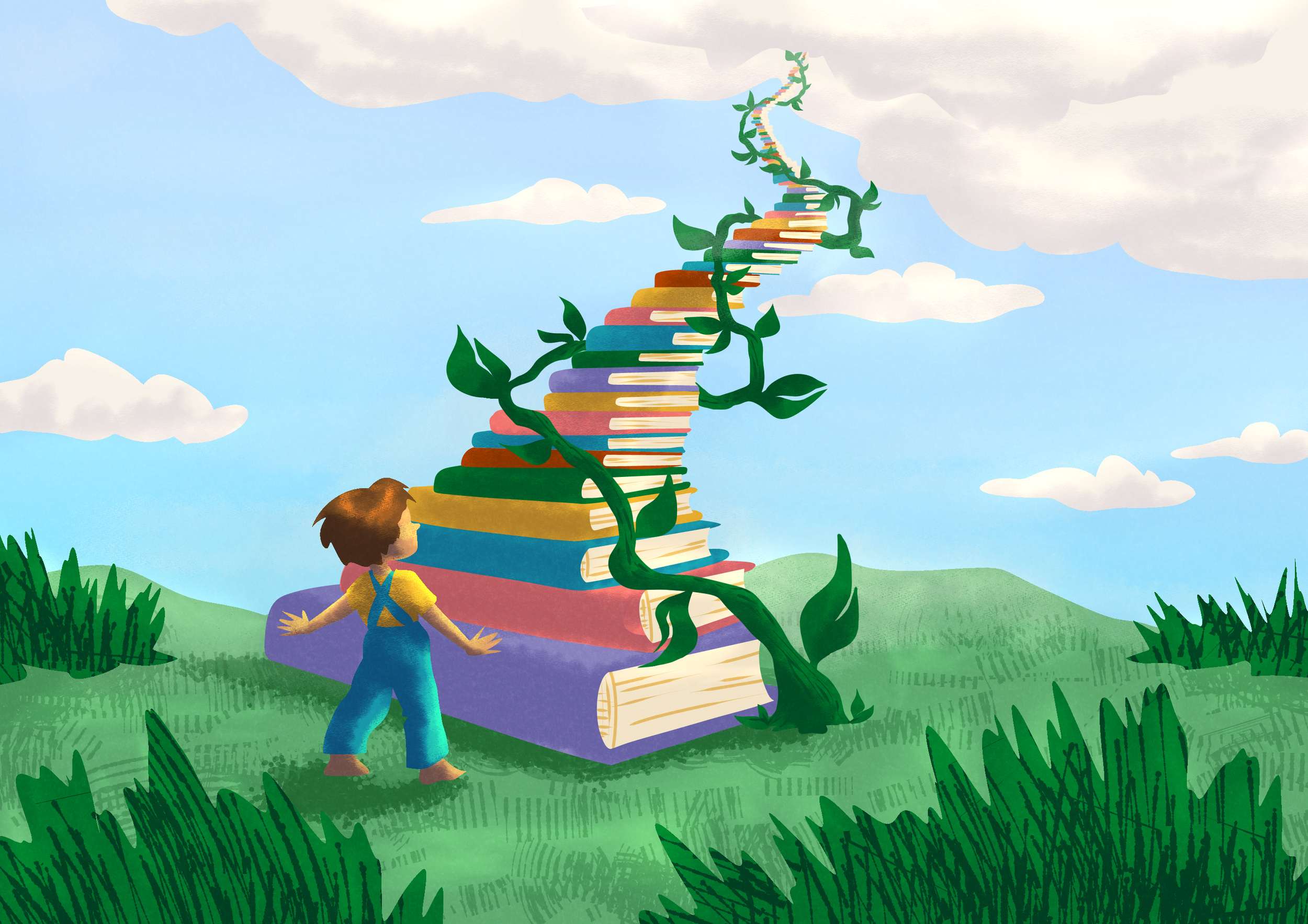
Illustration by Owl Illustration Agency on Unsplash
One of the most common things we hear as literacy advocates and educators is that some students just don’t “get” reading. It’s not for them. They don’t have the patience. It’s boring. They’re not “word people.” These statements can be shorthand for a host of broader issues: limited support at home or in earlier classrooms, learning or reading differences, or simply the constant pull of modern entertainment competing for young people’s attention.
But here’s what we believe: almost anyone can be a reader. In a language-based world, making a habit of reading offers real and vital benefits. And sometimes, the path to becoming a reader has little to do with the motivation or ability of the reader at all. Often, it has to do with the books themselves. More specifically, it has to do with which books were made accessible to young readers, and at what point in their learning journeys.
When readers are given the wrong books at the wrong time — books that don’t match their age, interests, or reading needs — reading habits can break or never form in the first place. Children can reach high school without having ever found that perfect gateway into reading. Adults can go for decades thinking of reading as intimidating, exhausting, or simply not for them.
That’s where high-low books come in.
When texts are too difficult, reading feels overwhelming. When they feel too juvenile, readers feel embarrassed or disengaged. High-low books (sometimes written as Hi-Lo) were created to address this gap, helping readers of any age find their way to books and stories.
What are high-low books?
High-low books are texts with high interest content paired with a lower reading level. They are designed to look age-appropriate and suitably sophisticated (for example, for teen or adult readers) while remaining accessible in vocabulary, sentence structure, and length to someone who may not have experience reading.
Key features typically include:
Age-relevant themes (friendships, sports, mysteries for young readers, or real-world challenges and self-help material for adults)
Controlled vocabulary and shorter sentences
Strong visual design that avoids anything to imply the book is “basic” or childish
Clear plot structure and frequent opportunities for comprehension success
High-low books are most commonly used with:
Upper elementary students reading below grade level
Middle and high school students who struggle with decoding or fluency
Multilingual learners of all ages building English proficiency
Learners of all ages with learning differences or other challenges affecting reading
Very important: High-low books don’t exist to fix a problem or hurry readers along toward some distant goal. Instead, we like to think of them as support books — gateway books — that give readers the pathways toward literacy at whatever stage or age they might need it. It’s never too late to become a reader. What’s important is that readers have the opportunities and reading material they need to develop at their own pace.
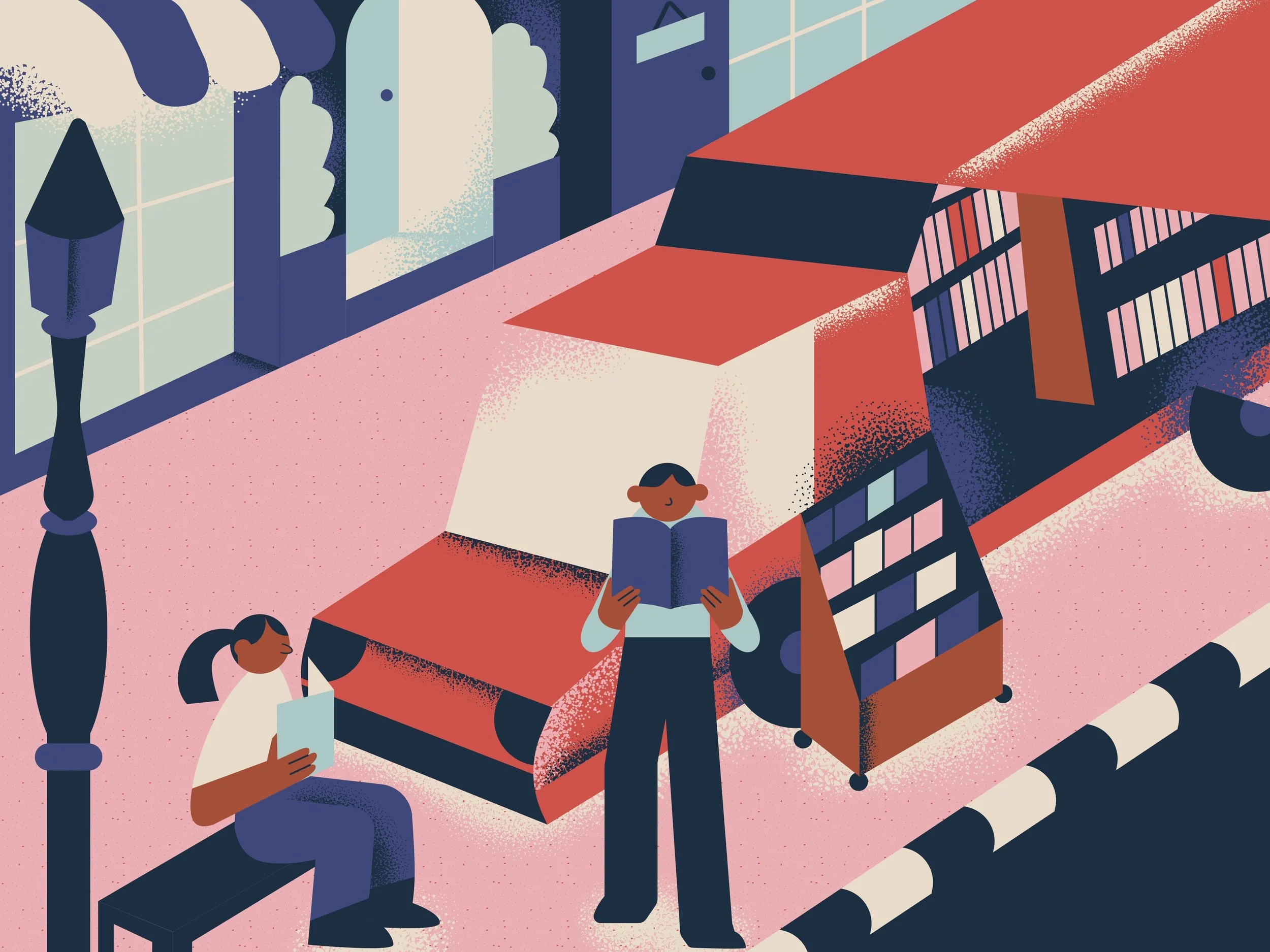
Illustration by Summerizze for Unsplash+
Why high-low books matter: the research
Decades of literacy research point to a simple truth: reading volume matters. Students who read more tend to read better. However, struggling readers often avoid reading because it feels frustrating, discouraging, or socially risky, particularly when available texts do not match their reading level or interests.
Research summarized by the National Reading Panel emphasizes that reading fluency develops through accurate, supported, and repeated reading. High–low books help create these conditions by allowing readers to practice reading connected text successfully, without excessive cognitive strain.
Additional findings from the Institute of Education Sciences and related literacy research show that students are more likely to persist with reading tasks when texts are:
At an appropriate instructional level
Aligned with students’ interests
Designed to reduce cognitive overload so attention can be directed toward meaning
High–low books support these points by making reading accessible and age-respectful, helping students see themselves as capable readers with curiosity, confidence, and agency over what they read.
What high-low books are not
To use high–low texts effectively, it helps to clear up common misconceptions.
High–low books are not:
“Easy books” with simplistic ideas
A replacement for grade-level instruction
A shortcut that avoids skill development
Only for students with identified disabilities
High-low books can be used at any time in a person’s life, and help readers feel more confident about reading. Because the text is easier to comprehend, readers can focus on the story instead of worrying about mistakes, which helps reading feel smoother and more enjoyable. When children or adults are able to finish books successfully, they are more likely to keep reading, build stamina, and gradually feel ready to read widely and try more challenging texts.
Best practices for using high-low books in classrooms
1. Identify the right time and place to use high-low books
High–low books work especially well for:
Independent reading time
Intervention groups
Literature circles with mixed reading levels
Summer or at-home reading programs
2. Let students choose
Choice is a powerful motivator. Whenever possible:
Offer several high–low options on the same topic
Avoid publicly labeling books by reading level; instead encourage curiosity for the content, regardless of perceived target audiences
Normalize a wide range of texts for all readers
A student who chooses a book is far more likely to read it.
3. Pair high-low books with instruction
High–low books are most effective when they complement literacy instruction. If a reader is still developing foundational skills such as basic vocabulary knowledge, decoding, or word recognition, independent reading with high–low texts may come too early to be fully beneficial.
In these cases, it’s great to back up. Being read aloud to — at any age — is the first step to building vocabulary, background knowledge, and comprehension of story and structure, while removing the burden of decoding independently. When read-aloud experiences are paired with targeted instruction in foundational reading and vocabulary skills, they create a bridge toward successful independent reading, including later use of high–low books.
4. Lessen support over time
As students gain confidence and skill:
Gradually introduce more complex texts
Mix high–low books with on-level or stretch texts
Celebrate progress
5. Choose quality high–low texts
Not all high–low books are created equal. Look for titles that:
Respect students’ age and intelligence
Avoid oversimplified plots
Represent the complex experiences of life
Well-written high–low books feel like real books, exhibit strong storytelling and characters, and do not come across as instructional tools. Students notice the difference.
High-low books in a nutshell
High-low books are most effective when we don’t think of them as a compromise for struggling readers, but instead view them as an access point — a doorway for curious minds to pass through in order to find information at a level with which they can connect. High-low books give readers what they need, when they need it, namely, the chance to read successfully, confidently, and often, and to truly understand the books in their hands.
When students experience reading as something they can do, growth is sure to follow.
For more information on finding high-low books for your students Reading Rockets has a great overview of the topic, including publishers of quality high-low books and links to reading lists.

Sarah Silverkey
Contributor
Sarah is an educator, writer, and artist with over 40 years of primary and secondary school teaching experience in the United States and in Switzerland. She’s a co-founder of the Homeschool Association Switzerland, and a fervent literacy advocate, believing that all good things (or at least, very many of them) come from an early exposure to books and stories.



Sarah Y.'s illustrated, printable play-set turns a few sheets of paper into a castle, a river, a dragon, and a story. Use it in class for crafting time, storytime, and world-building.