
Top Children’s Book Prizes and How They Boost Literacy
A guide to the major English-language awards for children’s literature, and why they matter now more than ever
3 January, 2026 ● Written by Stefan Bachmann

The launch of the new Booker category for children’s literature caused a buzz of excitement among educators and youth literacy advocates when it was announced late last year, and for good reason. One of the most prestigious awards for adult literature was looking to leverage its reach and influence to honor and celebrate children’s books. Gaby Wood, the Booker Foundation’s CEO, wrote: “The Children’s Booker Prize . . . aims to be several things at once: an award that will champion future classics written for children; a social intervention designed to inspire more young people to read; and a seed from which we hope future generations of lifelong readers will grow.”
It was wonderful news at a time when bright spots in the children’s literature field are few and far between. Children’s books sales are down in almost every genre and age group. Reading for pleasure and high-order comprehension of literacy materials has been found to be sinking or stagnating since the pandemic. And as for the cultural caché of children’s literature, a number of influential children’s book prizes have been lost over the past two decades, and not been replaced, including the Costa Children’s Book Awards (discontinued in 2022), the Guardian Children’s Book Award (apparently discontinued in 2016, though no formal announcement was made), and the Nestlé Smarties Book Prize (discontinued in 2008).
Launching a major new children’s book award sets a signal: it says, “Literature for young people is important, it’s worth celebrating, and it’s worth investing in.”
It can be easy to think of literary prizes as self-congratulatory, insular, a passel of writers and bookish folk patting each other on the back. And sometimes they are exactly that. But they also play a significant role in making children’s books visible within our societies, as well as acknowledging the immense importance of children’s books in education. Children’s literature shapes minds, perceptions, and future generations’ values and interests. Awarding highly visible prizes determines exactly which books are given the spotlight.
How does that spotlight look, in concrete terms? When a book wins an award, it receives better placement in bookstores. Sometimes it even arrives on shelves for the first time, where before it was relegated to online retailers or speciality bookshops. Award-winners receive media attention, land on lists and in newsletters. They are considered for classroom inclusion. Libraries place orders. Parents read about these books online and order copies for birthdays and holidays. Sometimes, award-winners even become classics, encouraging entire generations of readers and burrowing their way into the cultural consciousness for decades.
When the honored book comes from other countries and cultures to our own, a new dimension is added. Suddenly, a large swathe of readers becomes aware of stories, people, and experiences we may never have encountered before. The world opens a little farther. Stories travel across languages, cultures, and time.
So whether you’re an author, illustrator, educator, librarian, parent or book lover, consider celebrating the honoring of children's books. Support local and regional book awards. Keep an eye on the national lists, and the international ones as well.
This guide highlights the top ten children’s book prizes for English-language children’s books, what they’re for, who can win them, and how they’re judged. Take a look at each, sign-up for their newsletters, and see whether some of the honored work could find its way into your classroom and shelves!
1. The Hans Christian Andersen Award
Administered by: IBBY — International Board on Books for Young People
Prize: A gold medal and a diploma, so no monetary prize, and yet in terms of significance and reputation, perhaps the most significant of the international children’s literature prizes.
Recognizes: Authors and illustrators whose complete works have made an outstanding, lasting contribution to children's literature.
Open to: Authors and illustrators worldwide
Often described as “the Nobel Prize of children’s literature”, this award celebrates authors and illustrators whose work has made an enduring impact on young readers across the world. Nominees are put forward by IBBY's national sections worldwide, and winners are chosen by an international jury, making it the highest international honor in children's books. (This award is not to be confused with the similarly named Danish Hans Christian Andersen Literature Award which honors both children’s and adult authors who show kinship toward Andersen’s own magical themes.)
2. The Astrid Lindgren Memorial Award (ALMA)
Administered by: Swedish Arts Council
Prize: 5 million Swedish Kroners (approximately 430,000 Swiss francs or 530,000 US dollars)
Recognizes: Authors, illustrators, storytellers, literacy champions, and organizations who carry forward Astrid Lindgren’s ethos toward children’s literature.
Open to: Nominees worldwide
Perhaps equal to the Hans Christian Andersen Award in terms of significance, and vastly more lucrative in monetary value, the Astrid Lindgren Memorial Award honors creators and organizations that embody the joyful, imaginative, child-centered spirit that defined Astrid Lindgren’s own work. It’s the so-called “richest” children’s literature prize in the world, meaning the one that offers the highest monetary prize. In fact, it’s one of the richest literature prizes for authors or illustrators of any type. Nominees are selected by professional nominating bodies within each country, before an international jury chooses of experts chooses the final winner.
3. The Bologna Ragazzi Awards
Administered by: Bologna Children’s Book Fair
Prize: A certificate and international recognition
Recognizes: Excellence in design, narrative innovation, and visual creativity in picture books, nonfiction, comics, and a variety of others fields of young people’s literature.
Open to: Publishers and creators worldwide
A trailblazer in recognizing cutting-edge children’s books, Bologna Ragazzi prizes highlight works that are bold, beautiful, and artistically forward-thinking. The prizes feature many categories, including special categories such as 2025’s “Sustainability” and 2026 “Fables and Fairytales”.
4. The National Book Award for Young People's Literature
Administered by: National Book Foundation
Prize: USD $10,000 to the winner, along with national recognition and media visibility.
Recognizes: An outstanding work of literature for young people, selected for literary excellence, originality, and contribution to contemporary American letters.
Open to: Authors of any nationality whose books are written in English and published in the United States.
Introduced in 1996, the National Book Award for Young People’s Literature places children’s and YA writing on equal footing with adult literary fiction and non-fiction. Judged by writers, critics, and literary professionals, the award emphasizes craft, voice, and cultural relevance. It is particularly valued for recognizing ambitious, challenging works that engage earnestly with the experiences and realities of young readers.
5. The Newbery Medal
Administered by: American Library Association
Prize: A gold medal awarded to the author; no cash prize, but significant visibility and long-term influence in children’s publishing and education.
Recognizes: The most distinguished contribution to American literature for children, with emphasis on literary quality, interpretation, and presentation of theme.
Open to: Authors who are U.S. citizens or residents, and whose books are first published in English in the United States.
First awarded in 1922, the Newbery Medal is the oldest and most influential children’s book award in the United States. Judged by librarians, it has shaped school reading lists, library collections, and classroom curricula for over a century. While often associated with middle-grade fiction, the Newbery’s defining criterion is literary excellence rather than age category or popularity, making it a cornerstone of English-language children’s literature.
—> Website
6. The Caldecott Medal
Administered by: American Library Association
Prize: A gold medal awarded to the illustrator; no cash prize, but exceptional prestige and lasting professional recognition.
Recognizes: The most distinguished American picture book for children, focusing on excellence in illustration and visual storytelling.
Open to: lllustrators who are U.S. citizens or residents, and whose books are published in English first in the United States.
Established in 1938 as the companion award to the Newbery Medal, the Caldecott Medal is the highest honor for children’s book illustration in the United States. It celebrates artistic innovation, visual narrative, and the unique capacity of images to communicate meaning to young readers. Together, the Newbery and Caldecott Medals form the foundation of the US children’s literary canon, distinguishing writing and illustration as separate but equally vital contributions.
—> Website
7. The Kirkus Prize
Administered by: Kirkus Reviews
Prize: USD $50,000 to the winning author, one of the largest monetary prizes in children’s and young adult literature.
Recognizes: An outstanding work of fiction or non-fiction for young readers, selected for literary merit, originality, and excellence.
Open to: Authors of any nationality, provided the book is published in the United States and receives a starred review from Kirkus Reviews.
Established in 2014, the Kirkus Prize is a relatively new but influential award, known for its substantial financial reward and its strong connection to professional critical review. It honors three categories, fiction, nonfiction, and young readers, and rewards each of the three winners equally. The young readers’ category reflects contemporary literary excellence across both middle-grade and YA publishing.
8. Carnegie Medal
Administered by: CILIP — the Chartered Institute of Library and Information Professionals
Prize: A gold medal and a cash prize (currently £5,000 for the winning author), alongside significant prestige within the UK and international children’s literature community.
Recognizes: An outstanding book for children or young people written in English.
Open to: Authors of any nationality, provided the book is first published in the UK.
First awarded in 1936, the Carnegie Medal is the UK’s oldest and most prestigious children’s book award. Judged by professional librarians, it is renowned for honoring literary excellence, emotional depth, and innovation in writing for young readers. Many winners have gone on to achieve international acclaim, making the medal a key benchmark of quality in children’s and young adult literature.
9. The Kate Greenaway Medal
Administered by: CILIP — the Chartered Institute of Library and Information Professionals
Prize: A gold medal and a cash prize (currently £5,000 for the winning illustrator).
Recognizes: Outstanding illustration in a book for children or young people, celebrating visual storytelling, artistic excellence, and the integration of image and text.
Open to: Illustrators of any nationality, provided the book is first published in the UK.
First awarded in 1955, the Kate Greenaway Medal is the UK’s most prestigious award for children’s book illustration. It is the companion award to the Carnegie Medal: while the Carnegie honors the author’s writing, the Greenaway specifically recognizes the illustrator’s visual contribution. Judged by professional librarians, the award highlights books where images are essential to meaning, not merely decorative.
—> Website
10. The Children’s Booker Prize (New as of 2026)
Administered by: The Booker Prize Foundation
Honors: Outstanding fiction for ages 8–12
Prize: £50,000
Open to: Books written in or translated into English and published in the UK or Ireland
First Award Ceremony: 2027 (submissions open in 2026)
Announced in late 2025, the Children’s Booker Prize is poised to become one of the most influential awards in children’s literature, thanks to the already significant reputation and reach of its parent award the Booker Prize for Fiction and the International Booker Award. With both adult and child judges, and a special mission to elevate middle-grade fiction to the highest literary stage, this new prize promises to make quite a splash with its first nominees and ceremony in 2027. We can’t wait.

Stefan Bachmann
Editorial Director
Stefan Bachmann has worked widely in education, cultural programming, and literacy advocacy for over fifteen years. He is an internationally bestselling author of children’s books, co-founder of Foundations in Literacy, co-president of AUTILLUS, the Swiss Association of Children’s Authors and Illustrators, as well as a member of various advisory boards and committees in Switzerland and abroad. He studied composition and theory at the Zürich University of Arts.



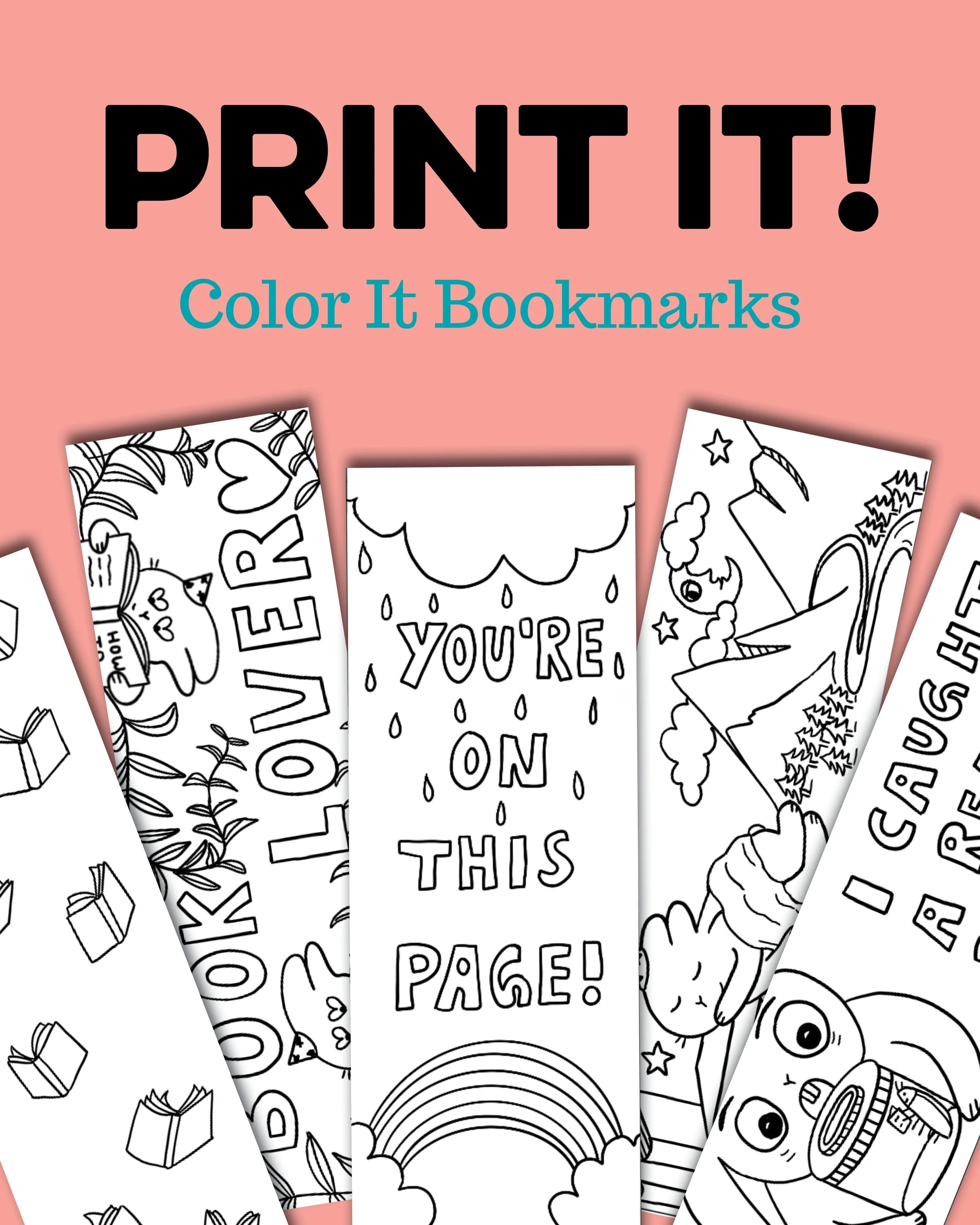
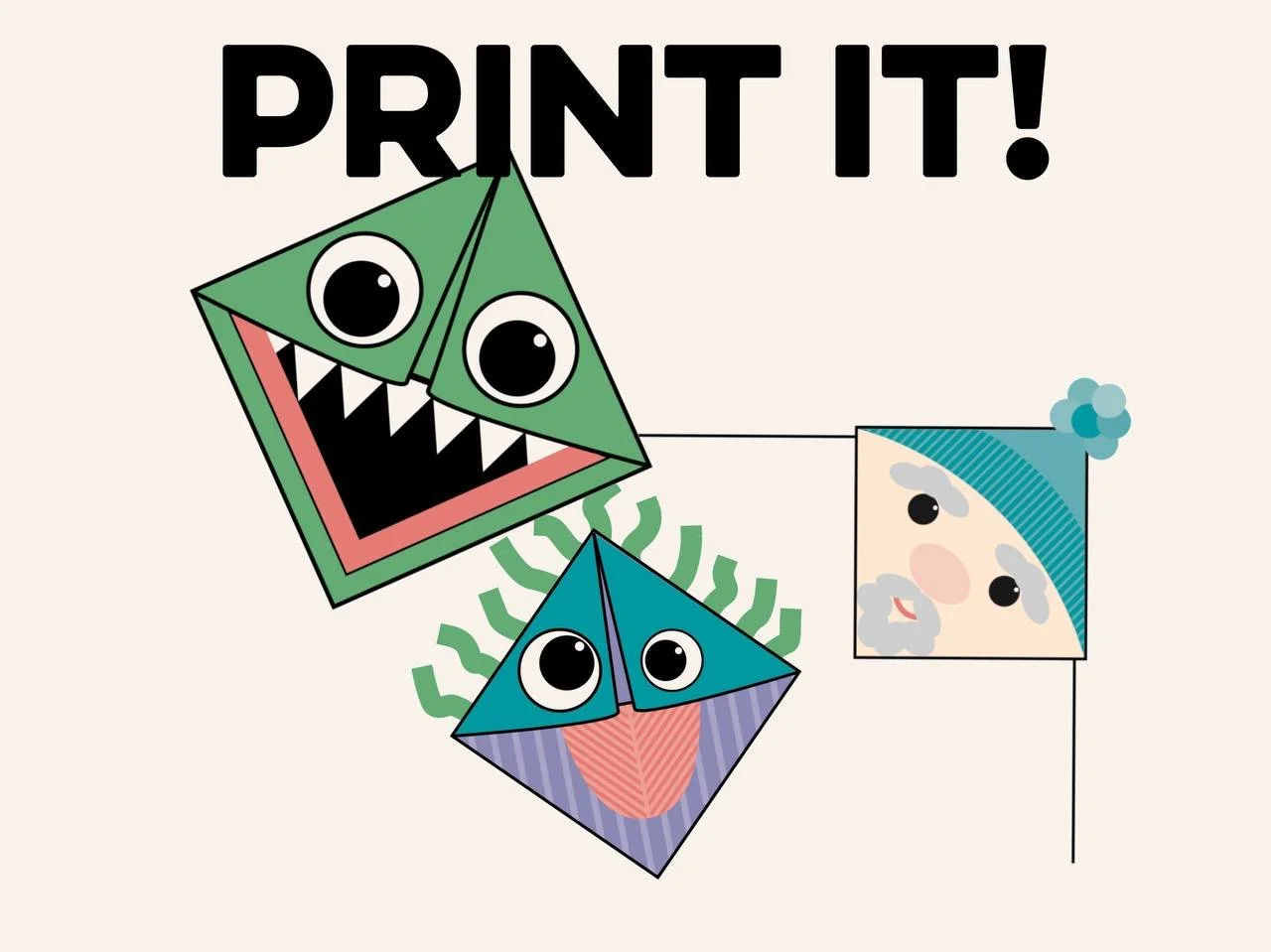

Sarah Y.'s illustrated, printable play-set turns a few sheets of paper into a castle, a river, a dragon, and a story. Use it in class for crafting time, storytime, and world-building.