
Raising Planetary Stewards: How Literacy Leads to Environmental Care
9 September, 2025 ● Written by Lisa Adib

I’ve always been a voracious reader. As a child, stories were essential to me. Thinking back, I’m convinced that reading greatly shaped the person I am today and the environmentalist I became. My visit to the library was a weekly ritual and I inhaled all sorts of stories. Books like Hoot by Carl Hiaasen or The White Giraffe by Lauren St. John left a particular mark on me. They talk about nature conservation, wildlife protection, and how humans – when they don’t care and don’t act – can hurt the world around them. With the ongoing climate crisis and species extinction, these issues are getting more significant. One way to fix them is teaching our children, who will be tomorrow's consumers and leaders, to take responsibility and action. But how can we give them the agency and tools to take care of our planet? The secret ingredient is literacy, both language literacy and environmental literacy.
What is environmental literacy?
According to the North American Association for Environmental Education (NAAEE), environmental literacy is about understanding the deep interconnectedness of humans with nature. It means being capable of comprehending environmental issues, their roots, impacts, and solutions. Moreover, it includes recognizing that the solutions require cooperation on personal, local, and global levels. In essence, it’s the state of possessing certain environmental knowledge and skills in order to make informed decisions and take appropriate action to care for our planet.

How does environmental literacy coincide with language and reading skills?
Studies show that reading provides enormous benefits for children’s brains. It enhances critical thinking and helps kids make sense of the world around them (Sun et al., 2023). Reading also strengthens comprehension and awareness, allowing children to understand information better. They learn to question, compare, and evaluate new data, skills that are important for tackling environmental issues. Children who read are better able to speak to their friends and communities, write impactful letters, design engaging posters, launch campaigns, collaborate, and advocate for change. Additionally, literate children can read product labels, understand waste-disposal instructions, and make more informed consumer choices. Ultimately, reading helps kids make better decisions and fosters a sense of environmental responsibility.
But reading isn’t just about the development of analytical skills. It’s also about nurturing the spirit. Stories about nature and sustainability can help kids connect with the world around them and encourage a sense of responsibility for protecting it. On one hand, such stories educate children on specific topics, like learning to identify plants and animals in their neighbourhood. On the other hand, these stories raise general awareness, such as understanding how pollution affects a river and relating it to a polluted river in their own community. Through ecological stories, kids are exposed to new perspectives, allowing them to put themselves in someone else’s shoes. This cultivates compassion and instills a sense of responsibility.
What does science have to say?
Research shows that reading not only teaches kids about the environment in a practical sense but also helps them develop empathy and prosocial behaviors, skills that are crucial for inspiring action. A study conducted by Chen et al. (2025), investigated this phenomenon in children aged four to five. Sixty children were divided into two groups: An intervention and the control group. Over an eight-week period, the children and their guardians participated in bi-weekly reading sessions. While the control group read books on various unrelated subjects, the intervention group exclusively read picture books with social themes. Both before and after the sessions, the children completed an empathy questionnaire and prosocial performance tests. The study’s findings revealed that children in the intervention group significantly outperformed those in the control group in terms of empathy and prosocial behaviour, which they demonstrated by one sharing and one assisting task. These results highlight the power of nature-driven narratives in raising future planetary stewards. Reading books about plants, animals, sustainable farming, and climate change can increase children’s willingness and ability to take responsibility. They learn how to read, yes, but they also become environmentally literate in the process.
The short version
Reading equips children with both the tools and the heart to take action. Choosing books with nature and sustainability themes is especially effective in sparking empathy for the environment and transforming thoughts into action. However, any book read is a book worth reading, as it helps children and students develop analytical and communication skills. Every story shared today plants a seed for tomorrow’s planetary caretakers.
Books in this article
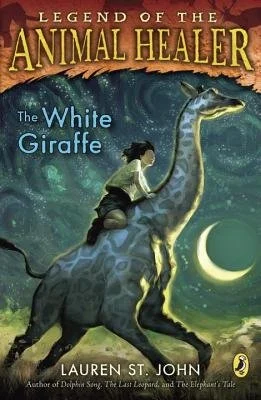
The White Giraffe
Lauren St. John
Martine must leave her home to live on an African wildlife reserve with a grandmother she never even knew she had. When Martine arrives, she hears tales of a mythical animal living there — a white giraffe.
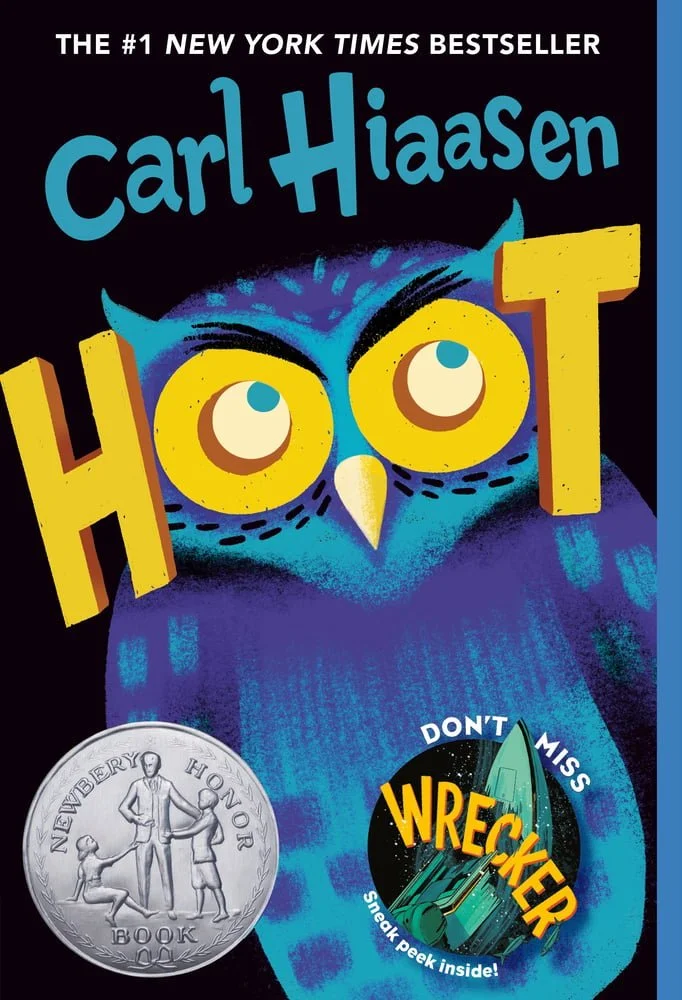
Hoot
Carl Hiaasen
Everybody loves Mother Paula's pancakes. Everybody, that is, except the colony of cute but endangered owls that live on the building site of the new restaurant.

Lisa Adib
Contributor
Lisa Adib is a workshop leader and literacy advocate from Düsseldorf, Germany. Currently, she is pursuing her Master of Science in Vienna, Austria, researching social inclusion in urban gardens. She is passionate about environmental education and cares deeply for nature and all its inhabitants. In her free time, she creates zines about her life, reads anything she can get her hands on, and spends time outdoors. Her favourite animal? Bunnies, of course!

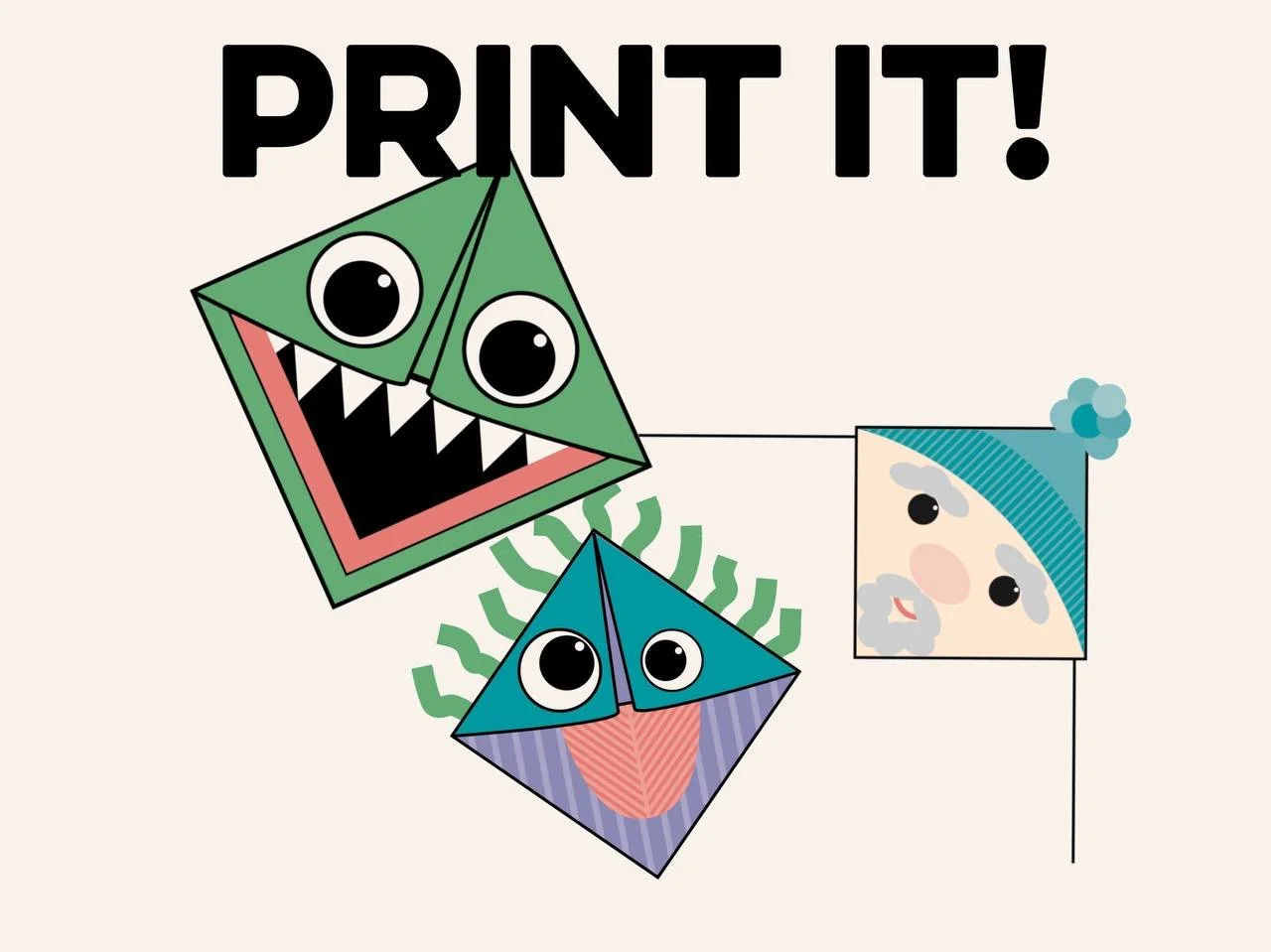

Sarah Y.'s illustrated, printable play-set turns a few sheets of paper into a castle, a river, a dragon, and a story. Use it in class for crafting time, storytime, and world-building.